
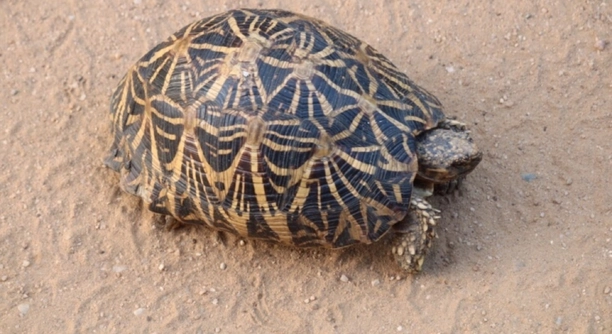
Turtles are wonderful pets, but sometimes, their skin can start to look rough or unhealthy. It can be concerning when you notice this change in their appearance. Understanding why this happens is important for your turtle’s well-being.
Rough skin in turtles is often caused by factors such as dehydration, inadequate lighting, or poor diet. It can also indicate underlying health issues like a fungal infection or shedding problems, all of which require proper attention.
Understanding the cause of rough skin can help you improve your turtle’s care routine and make sure they stay happy and healthy. Keep reading to find out what steps you can take.
Dehydration and Its Effects on Turtle Skin
Dehydration is a common issue that can affect your turtle’s skin, causing it to become dry and rough. Turtles, like all reptiles, require a proper water balance to stay healthy. If your turtle’s habitat isn’t humid enough, they might not be able to stay hydrated properly. This can lead to their skin losing moisture and appearing scaly or rough. It’s crucial to ensure that their tank has a proper water source and humidity level to prevent this from happening.
Make sure you provide fresh, clean water and a water temperature that suits your turtle’s species. If your turtle spends time out of water, always have a water dish available for them to drink from.
Offering water sources at the right temperature and humidity helps keep your turtle hydrated. However, if dehydration continues, it can lead to more severe issues like skin infections. It’s always good practice to monitor their environment closely, including adjusting humidity levels and ensuring the water stays clean.
Insufficient UVB Lighting
Proper lighting is necessary for your turtle’s health. If they are not exposed to enough UVB light, their skin may become rough and dry. UVB helps turtles produce vitamin D3, which is vital for calcium absorption and healthy skin. Without it, they could develop skin problems and other health complications.
UVB lighting should be placed above the basking area in their tank, ensuring they can access it easily during the day. Regular exposure to natural sunlight or a UVB lamp will prevent these issues.
Without sufficient UVB light, your turtle could face more than just rough skin. They might suffer from metabolic bone disease, weakened immune systems, and poor overall health. To prevent this, ensure your turtle has access to proper UVB lighting for a few hours each day. Regularly change the bulbs to maintain adequate UVB levels, and place the light at the correct distance to avoid overexposure. With the right lighting, your turtle can thrive and avoid skin issues.
Inadequate Diet and Nutritional Deficiencies
A poor diet can lead to skin problems for your turtle. If your turtle isn’t getting the right nutrients, it can cause dry, rough skin. Turtles need a balanced diet with vitamins and minerals to stay healthy. Without the proper nutrition, their skin may show signs of damage.
Turtles require a mix of leafy greens, vegetables, and protein sources like insects or fish, depending on their species. Deficiencies in vitamin A, for instance, can cause skin issues. It’s essential to provide a variety of foods to meet your turtle’s nutritional needs. A lack of calcium and vitamins can make their skin rough and brittle.
In addition to their regular diet, some turtles might benefit from supplements to boost their nutrition. Vitamin-rich foods like carrots, squash, and leafy greens should be part of their daily meals. Over time, providing a better diet can lead to smoother, healthier skin, helping your turtle maintain overall health.
Skin Shedding Issues
Turtles, like other reptiles, shed their skin regularly. However, if they have trouble shedding properly, it can cause rough patches. When a turtle’s skin doesn’t shed properly, it may become stuck, resulting in dryness and rough texture. This is more common if their environment isn’t humid enough.
Skin shedding can be a complicated process. If the turtle doesn’t have the right humidity levels or if they’re not getting enough water, the shedding may not occur as it should. This leaves behind rough patches of skin. The process usually happens slowly, but improper shedding can be uncomfortable for your turtle.
To help your turtle with the shedding process, make sure they have access to proper humidity. You can also gently assist by soaking them in warm water, but avoid forcibly removing the skin. Keep their tank environment consistent, and monitor their skin to catch any problems early.
Fungal Infections
Fungal infections can cause your turtle’s skin to appear rough, discolored, or flaky. These infections are often triggered by a wet or dirty environment, allowing fungi to thrive on their skin. Fungal issues should be addressed immediately to prevent further damage.
If you notice unusual patches on your turtle’s skin, it may be a fungal infection. Keep their habitat clean, and ensure the water is changed regularly. Using antifungal treatments, either prescribed by a vet or over-the-counter, may help. If left untreated, fungal infections can worsen and harm your turtle’s overall health.
Parasites
Parasites like mites or ticks can also cause rough skin in turtles. These external parasites often cause irritation, leading to skin changes. It’s essential to inspect your turtle for signs of these pests regularly.
Regular checks and proper care can help prevent parasitic infestations, which can harm your turtle’s skin and overall health. If you find signs of parasites, consult a vet for treatment options.
FAQ
Why is my turtle’s skin getting rough?
Rough skin in turtles is often due to dehydration, improper lighting, a poor diet, or skin shedding issues. Environmental factors such as humidity and water quality also play a significant role. If your turtle’s skin remains rough for a long time, it may indicate an underlying health problem, such as a fungal infection or parasites.
How can I tell if my turtle is dehydrated?
Dehydration in turtles can show as dry, rough, or flaky skin. You might also notice your turtle not eating or drinking as much, and its skin may appear wrinkled. A dehydrated turtle might spend more time in the water, trying to rehydrate. Make sure they have access to fresh, clean water at all times, and the water should be at the appropriate temperature for their species.
What can I do if my turtle’s skin is shedding improperly?
Improper shedding is often caused by low humidity levels or dehydration. To help, increase the humidity in their tank and provide them with a warm soak in clean water. This can help loosen the skin and assist with shedding. Never forcibly remove the skin, as this can cause harm. If shedding continues to be an issue, consult a vet for advice.
How can I improve my turtle’s diet to prevent rough skin?
A balanced diet with a mix of vegetables, fruits, and protein sources is key. Offer a variety of leafy greens like kale, spinach, and collard greens, along with protein-rich foods like insects, fish, or worms, depending on your turtle’s species. A deficiency in vitamin A can cause skin problems, so try adding foods rich in this vitamin, such as carrots, sweet potatoes, or squash.
Can fungal infections cause rough skin in turtles?
Yes, fungal infections are a common cause of rough skin. These infections thrive in wet and unsanitary conditions. If you notice unusual patches of skin that are flaky or discolored, it might be a fungal infection. Cleaning the tank regularly, changing the water, and using antifungal treatments can help treat this issue. If the infection persists, seek professional help from a vet.
How do I treat parasites on my turtle?
Parasites like mites or ticks can irritate your turtle’s skin, causing rough patches. If you notice signs of external parasites, such as tiny moving dots on your turtle’s skin or unusual behavior, you should immediately isolate the turtle and consult a vet. The vet will recommend treatment options like medicated baths or topical treatments.
Is UVB lighting important for my turtle’s skin health?
Yes, UVB lighting is crucial for your turtle’s overall health and skin. UVB helps your turtle synthesize vitamin D3, which is essential for calcium absorption and healthy skin. Lack of UVB exposure can lead to rough, dry skin and other health problems. Ensure your turtle’s tank has a UVB light source, placed above the basking area.
How often should I change my turtle’s water to prevent skin problems?
Changing your turtle’s water regularly is important for maintaining a clean environment and preventing skin issues like fungal infections. Ideally, you should change the water in your turtle’s tank at least once a week, but if the water becomes dirty more quickly, it might need changing more frequently. Keep the water clean and monitor its temperature regularly.
Can improper tank humidity cause rough skin in turtles?
Yes, improper humidity is a major factor in rough skin. If the tank is too dry, your turtle may not shed properly, leading to rough patches. On the other hand, excessive humidity can encourage fungal growth. Maintain a balance by keeping the humidity at the appropriate level for your turtle’s species, usually between 40-70%.
How can I help my turtle shed its skin properly?
To help with proper shedding, ensure your turtle’s environment is humid enough, as dehydration is a common cause of shedding issues. Soaking your turtle in warm water for a short period can also help loosen up dead skin. If the problem persists, make sure your turtle is getting a well-balanced diet with enough vitamins and minerals to support healthy skin.
Are there any supplements I can give my turtle for better skin health?
Yes, some turtles may benefit from supplements, especially if they have a poor diet or certain nutritional deficiencies. Calcium and vitamin D3 supplements can help with healthy shell and skin growth. Be sure to consult a vet before giving your turtle any supplements to ensure they are safe and appropriate for your turtle’s specific needs.
Final Thoughts
Taking care of a turtle involves paying attention to many factors, and skin health is one of the most noticeable. If you notice your turtle’s skin becoming rough, it’s important to check their environment, diet, and overall care routine. Small changes in their habitat, like adjusting humidity levels or improving their diet, can make a big difference in how their skin looks and feels. Keeping their tank clean, offering fresh water, and ensuring proper UVB lighting can help prevent skin issues from developing.
If your turtle’s skin doesn’t improve after making adjustments, it may be a sign of something more serious, like a fungal infection or parasites. In these cases, it’s important to seek help from a vet. They can diagnose the problem and provide the right treatment to get your turtle back on track. Early intervention can prevent the issue from worsening and ensure your turtle stays healthy. Routine check-ups with a vet are also a good way to catch any potential health problems early on.
In the end, caring for a turtle requires ongoing attention and a balanced approach to their diet, environment, and overall well-being. By monitoring their skin health and making adjustments when needed, you can help your turtle live a long and happy life. Whether it’s dealing with rough skin or ensuring they get the right nutrients, small steps can go a long way in maintaining their health.

Hello,
If you enjoy the content that we create, please consider saying a "Thank You!" by leaving a tip.
Every little bit helps us continue crafting quality advice that supports the health, happiness, and well-being of pets around the world, for pets of all shapes, sizes, and species.
We really appreciate the kindness and support that you show us!