
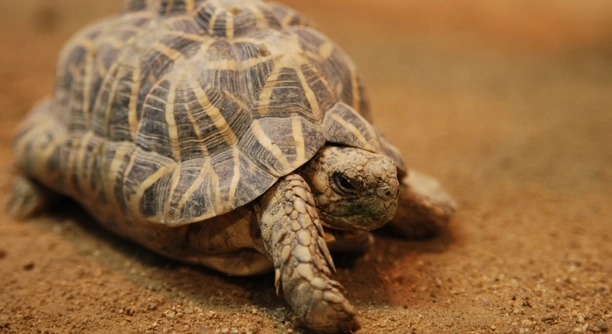
If you’ve noticed your turtle sleeping more than usual, it’s understandable to be concerned. Turtles are known for their naps, but changes in their behavior can sometimes signal an issue.
Increased sleep in turtles can be due to several factors, including changes in their environment, diet, or health. If your turtle is experiencing stress, poor lighting, or improper water conditions, these can all contribute to excessive sleep.
Identifying the cause of your turtle’s extra sleep is important to ensure its well-being. By understanding the potential reasons, you can take steps to improve its environment and care.
Common Reasons for Increased Sleep in Turtles
Turtles are naturally inclined to sleep for long periods, especially when they are young or in colder environments. However, if your turtle suddenly sleeps more than usual, it could be a sign of environmental issues, health problems, or even seasonal changes. Turtles are ectothermic animals, meaning they rely on external temperatures to regulate their body heat. If the temperature in their tank drops or rises too much, they may become lethargic. Changes in lighting or diet can also affect their sleep patterns. You should always check if your turtle’s habitat is at the right temperature, humidity, and lighting to maintain a healthy routine.
Environmental changes are often the main reason behind a turtle’s excessive sleep. If your turtle’s tank has become too cold or hot, it could be uncomfortable for them, leading to more sleep.
Ensuring that your turtle’s habitat is properly maintained can help prevent health issues. Proper lighting, heating, and water conditions are essential to keep your turtle active and healthy. If these factors are off, your turtle may become sluggish and sleep more. Make sure their tank is the right size with clean water and UVB light to mimic their natural habitat. Regularly checking the temperature and providing fresh food can also improve their energy levels.
Health Problems Affecting Sleep
If your turtle’s habitat is fine and there are no environmental factors to consider, health problems might be affecting their sleep. Turtles, like any other animal, can become sick or stressed, leading them to sleep more. Illnesses such as respiratory infections or shell rot can make them lethargic. Infections often result in swollen eyes, mucus, or abnormal behavior like staying in one spot for too long. Stress can be caused by poor living conditions, sudden changes in diet, or even overhandling.
To ensure your turtle’s health, check for visible signs of illness. Keep an eye out for any changes in their appetite or behavior. If you notice any abnormalities, it’s best to consult a vet who specializes in reptiles.
Seasonal Changes and Sleep Patterns
Turtles tend to sleep more during colder months. As ectotherms, their body temperature is affected by the environment. When it’s colder, their metabolism slows down, and they naturally sleep longer to conserve energy. This behavior is common in species that hibernate or brumate during the winter.
If you notice your turtle sleeping more during colder months, it may be following a natural cycle. Lower temperatures can make them less active and cause them to sleep for extended periods. This doesn’t always indicate a problem. Ensure their tank mimics their natural environment, even in cooler seasons.
Temperature adjustments are crucial when the weather changes. Maintaining the right conditions in your turtle’s habitat will help regulate their activity levels. If they are still sleeping too much during warmer months, it may point to another issue, such as poor health or stress. Keep an eye on their behavior and consult a vet if needed.
Diet and Its Impact on Sleep
A poor diet can contribute to excessive sleep in turtles. If your turtle isn’t getting enough nutrients, it may become sluggish. Nutrient imbalances, such as lack of calcium or vitamins, can affect their energy levels and cause lethargy. This is especially true if you’re feeding them the wrong foods or not offering variety.
Turtles need a balanced diet that includes vegetables, fruits, and proteins. Without the proper nutrients, they may not have the energy to stay active. Offering them a variety of foods will ensure they get all the necessary vitamins and minerals. You can try adding calcium supplements if your turtle’s diet is lacking in this important nutrient.
Adjusting their diet can make a significant difference. If your turtle’s energy levels improve after a diet change, it’s a sign that nutrition was the issue. If the problem persists, other factors like health or habitat conditions should be considered. Regularly check that you’re providing a balanced diet to keep them healthy.
Stress and Its Effect on Sleep
Stress is another common reason turtles sleep more than usual. A sudden change in their environment or routine can cause stress, leading them to retreat and rest more. Overhandling, loud noises, or changes in their habitat can trigger this reaction.
Stress often causes turtles to become withdrawn and less active. It’s important to avoid making sudden changes to their environment. If they are frequently disturbed or exposed to stress, they may show signs of lethargy. Create a calm and stable environment to help them feel secure.
Inadequate Lighting or Heat
Turtles require proper lighting and heating to maintain their energy levels. Without adequate UVB light, their sleep patterns can be disrupted. Lack of proper heat sources also affects their metabolism, making them more lethargic and prone to extended naps.
Ensure your turtle’s habitat has the correct lighting and temperature settings. UVB light helps them absorb calcium and maintain healthy energy levels, while consistent heat ensures they stay active. Without these conditions, their natural rhythms are thrown off, leading to more sleep.
FAQ
Why is my turtle sleeping so much in the winter?
Turtles are ectothermic animals, meaning their body temperature is regulated by the surrounding environment. In colder months, their metabolism naturally slows down. This results in them sleeping more, conserving energy until the temperatures rise again. If your turtle is in a properly heated tank with regulated light, they might still sleep more during winter due to their biological rhythms. It’s important to provide proper heating and UVB lighting to help them stay healthy during this time.
Can stress cause my turtle to sleep more?
Yes, stress can lead to increased sleep. Turtles are sensitive to changes in their environment. Overhandling, loud noises, or sudden changes in their habitat can cause them to retreat into their shells and sleep more often. Stress can also weaken their immune system, making them more vulnerable to illnesses. Maintaining a quiet, stable environment and minimizing disruptions can help reduce stress and prevent excessive sleeping.
What if my turtle is sleeping more than usual but there’s no change in temperature or habitat?
If there’s no change in temperature, habitat, or lighting, and your turtle is still sleeping more than usual, it could be a sign of illness. Respiratory infections, parasites, or other health conditions can cause lethargy and increased sleep. It’s a good idea to look for other symptoms, such as swollen eyes, mucus, or changes in eating habits. If these symptoms are present, it’s best to consult a veterinarian who specializes in reptiles.
How can I tell if my turtle is hibernating or sick?
Hibernation, or brumation, is a natural process for many turtle species, especially during the colder months. During this time, their activity levels decrease, and they sleep much more. If your turtle is hibernating, they will usually not eat and may be inactive for several weeks. Sick turtles, on the other hand, may show signs like loss of appetite, abnormal behavior, swelling, or discharge. If your turtle’s condition doesn’t improve or worsens, it’s important to seek veterinary advice.
Does my turtle need more sleep as it gets older?
Like many animals, older turtles tend to become less active and may sleep more. This can be due to a slower metabolism as they age. However, if their increased sleep is accompanied by other unusual behavior, it might be a sign of an underlying issue such as arthritis or other health conditions. Make sure their habitat is appropriately adjusted to their needs and keep an eye on their behavior to ensure they are not suffering.
What can I do if my turtle isn’t eating and is sleeping too much?
A loss of appetite and excessive sleep could indicate illness, stress, or environmental issues. Ensure that their tank has the proper temperature, lighting, and a clean environment. If these conditions are fine and your turtle is still not eating, it’s crucial to visit a vet. Health problems such as respiratory infections or shell rot can cause lethargy and loss of appetite. If their diet is unbalanced or they aren’t getting enough nutrients, they may sleep excessively.
How much sleep should my turtle be getting?
The amount of sleep a turtle needs can vary by species, age, and environment. Most turtles sleep anywhere from 8 to 12 hours a day, especially in cooler temperatures. However, during brumation (winter sleep), they may sleep much longer. If your turtle sleeps for more than 12 hours a day consistently, and especially if they are not eating or active when awake, it’s time to evaluate their environment and health.
Can I wake my turtle up if they’re sleeping too much?
It’s generally best not to disturb your turtle when they’re sleeping, especially if they are in a natural sleep cycle. However, if they are consistently lethargic or you’re concerned about their health, gently encourage them to move by adjusting the temperature or lighting in their habitat. If there are signs of illness or abnormal behavior, seek veterinary help.
What should I do if my turtle is sleeping and not moving at all?
If your turtle is sleeping and not moving for extended periods, you should check its health closely. First, ensure the temperature and lighting in the tank are adequate. A lack of proper heat or UVB lighting can cause a turtle to become lethargic. If their condition doesn’t improve or they appear unwell, it’s important to consult a reptile vet. They may be dealing with an infection or other medical issue that requires treatment.
Could improper lighting be the reason for excessive sleep?
Yes, improper lighting is a common cause of excessive sleep in turtles. UVB light is essential for their health, as it helps them process calcium and maintain their energy. Without proper UVB lighting, turtles may become lethargic and sleep more than usual. Make sure your turtle’s tank has a good light source that mimics natural sunlight, and always replace bulbs as needed to maintain healthy light levels.
Is it normal for my turtle to sleep during the day?
Turtles are generally more active during the day, but they may sleep more if they are adjusting to their environment. Some species are naturally more active during dawn or dusk, while others may prefer to sleep during the daylight hours. If your turtle is not showing signs of illness and is eating and drinking normally, sleeping during the day can be perfectly natural. Just ensure that their lighting and temperature conditions are correct.
What do I do if my turtle seems to be sleeping too much even when it’s warm?
If your turtle is in a warm environment and still sleeping excessively, it could be a sign of an underlying issue. Check their diet and hydration levels to make sure they’re receiving the nutrients they need. Lack of proper nutrition or dehydration can cause lethargy. If everything seems normal and they’re still sleeping too much, a visit to the vet is a good idea to rule out illness.
Final Thoughts
If your turtle is sleeping more than usual, it’s important to consider several factors. Sometimes, extra sleep can be a normal part of their natural cycle, especially during colder months. Turtles are ectothermic animals, meaning they rely on external temperatures to regulate their body heat. During winter, they often become less active and may sleep for longer periods as their metabolism slows down. If your turtle is in a cooler environment or if it’s the time of year when brumation occurs, their increased sleep could be completely normal. In these cases, it’s important to monitor the temperature and lighting in their habitat to ensure it supports their health and activity levels.
However, if the extra sleep is happening outside of the natural cycles or if it’s accompanied by other concerning signs like lack of appetite, swollen eyes, or abnormal behavior, it’s essential to look deeper. Health issues such as infections, parasites, or improper lighting conditions can lead to lethargy and excessive sleep. Poor water quality, unbalanced diets, or stress from environmental changes can also play a role. Turtles can be sensitive to stressors like sudden changes in their tank, overhandling, or loud noises. Addressing these factors can help reduce their stress and improve their overall well-being. Keeping their environment stable and ensuring they have the right food and care is vital for their health.
If you’ve checked their environment and diet but your turtle’s behavior still seems off, a visit to the vet may be necessary. It’s always better to seek professional advice if you suspect something is wrong. A vet who specializes in reptiles can help identify any underlying health issues and provide guidance on how to care for your turtle. Whether it’s related to temperature, diet, or health, understanding the causes of excessive sleep will help you provide better care for your turtle and ensure they remain happy and healthy. Regular observation and proactive care are key to preventing any serious problems down the line.

Hello,
If you enjoy the content that we create, please consider saying a "Thank You!" by leaving a tip.
Every little bit helps us continue crafting quality advice that supports the health, happiness, and well-being of pets around the world, for pets of all shapes, sizes, and species.
We really appreciate the kindness and support that you show us!