
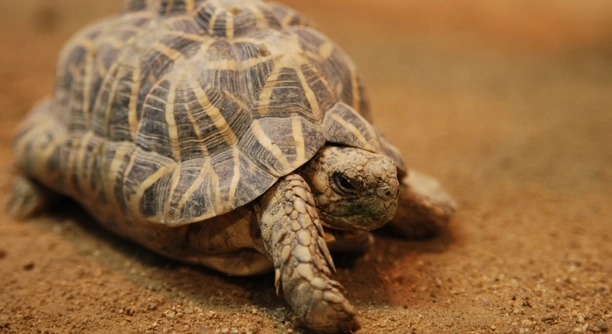
Turtles are fascinating creatures, but if you’re noticing that your turtle’s shell is turning soft, it can be concerning. A healthy, strong shell is essential for their well-being, so understanding this change is important.
A soft shell in turtles is often a sign of improper care or health issues, such as nutritional deficiencies, lack of UV light, or infections. Turtles require specific conditions for a strong shell, including proper diet and habitat.
Addressing the issue requires knowledge of how different factors impact your turtle’s health. In this article, we’ll explore what might be causing the soft shell and how to help your turtle recover.
Causes of Soft Shells in Turtles
A soft shell in a turtle can stem from several different factors, but it’s often linked to their environment and diet. Turtles are sensitive to changes in their habitat, and even small shifts can affect their overall health. Lack of exposure to UVB light is a common issue, as it plays a key role in calcium absorption, essential for a strong shell. Without enough calcium, the shell becomes soft and prone to deformities. Additionally, improper diet, including insufficient calcium or vitamin D3, can contribute to this problem.
Turtles need both protein and plant-based foods, but calcium-rich foods are crucial. Without it, their shells may soften.
Providing a proper environment that includes UVB lighting, a balanced diet with enough calcium, and a clean, spacious habitat can help prevent this issue. Regular check-ups with a vet will also ensure any hidden health problems are addressed early on.
How to Prevent a Soft Shell
Proper care starts with creating a suitable environment for your turtle.
Ensure your turtle gets adequate UVB light, as this helps with calcium absorption, which is key for shell health. Offer a diet that includes leafy greens and calcium supplements. Monitor your turtle’s activity levels and habitat cleanliness to avoid infections that can contribute to softening shells. Consistency in these areas can make a significant difference in your turtle’s overall health.
Nutritional Deficiencies
A poor diet can lead to significant health problems for turtles, especially when they lack key nutrients. Calcium and vitamin D3 are the most important for shell development and overall health. Without these, the shell may soften, making the turtle vulnerable to infections or injuries.
Turtles require a balance of protein, greens, and supplements. Common deficiencies include calcium, which is crucial for the shell’s strength. A lack of vitamin D3 makes it harder for the turtle to process calcium, worsening the problem. If you’re unsure about your turtle’s diet, consult a vet for advice on supplements and proper nutrition.
Offering a variety of fresh, leafy vegetables and adding calcium supplements to their diet will help maintain a strong shell. Avoid feeding them only high-protein foods, as these don’t provide the necessary nutrients for a healthy shell. A well-rounded diet is essential to keep your turtle’s shell strong and healthy.
Proper Lighting and Temperature
UVB light is critical for a turtle’s health, as it helps them process calcium and promotes shell growth. Without adequate exposure, a turtle’s shell can soften and deform. Turtles also need a proper temperature range in their habitat to thrive.
UVB lighting helps turtles convert calcium from food into usable vitamin D3. Without it, they cannot absorb the nutrients necessary for a hard, healthy shell. It’s also important to maintain the right temperature in their habitat. If it’s too cold, the turtle’s metabolism will slow down, which can lead to other health issues.
Ensure your turtle’s enclosure has a UVB light source and a basking area with appropriate temperatures. Providing these elements allows your turtle to properly absorb calcium and maintain a healthy shell. Keeping the environment consistent will support your turtle’s well-being and prevent shell issues from developing.
Infections and Illnesses
Infections can cause significant damage to a turtle’s shell, leading to it becoming soft. Bacterial or fungal infections often result from poor water quality or inadequate habitat conditions. Keeping your turtle’s environment clean is essential for preventing these problems.
Regularly change the water in the tank and remove waste promptly. A dirty tank creates a breeding ground for harmful bacteria, which can weaken your turtle’s immune system and lead to softening of the shell.
Stress and Injury
Turtles are sensitive to stress, which can affect their overall health and shell condition.
Stress caused by an overcrowded tank, poor living conditions, or handling can make a turtle more susceptible to shell problems. Always provide a peaceful, spacious environment for your turtle to help reduce stress.
FAQ
Why is my turtle’s shell soft?
A soft shell in turtles is typically caused by a lack of essential nutrients, particularly calcium and vitamin D3. This deficiency is often due to improper diet or insufficient exposure to UVB light. In some cases, poor water quality or infections can also contribute to this problem. Make sure your turtle has a balanced diet, access to UVB light, and a clean habitat to prevent shell softening.
How can I tell if my turtle’s shell is soft?
To check if your turtle’s shell is soft, gently press on it with your fingers. A healthy, strong shell should feel firm, while a soft shell will yield slightly under pressure. You may also notice visible deformities, such as flakiness or sunken areas. If you notice softness, it’s essential to address the underlying cause quickly.
What should I feed my turtle to prevent a soft shell?
Turtles need a balanced diet rich in calcium and vitamin D3 to maintain a healthy shell. Include dark leafy greens like collard greens, dandelion greens, and kale, which are high in calcium. You can also offer calcium-rich foods like calcium-fortified pellets or cuttlebone. A varied diet, including protein sources like insects or fish, is important for overall health.
Can my turtle’s shell heal if it becomes soft?
Yes, with the right care, a turtle’s soft shell can heal over time. Ensuring proper nutrition, access to UVB lighting, and a clean, stress-free habitat will allow your turtle’s shell to regain its strength. However, the recovery process may take some time, and it’s important to stay consistent with these care practices. If the shell softening continues, consult a vet.
How do I provide UVB light for my turtle?
UVB light is essential for turtles to synthesize vitamin D3, which helps them absorb calcium. Make sure your turtle’s enclosure includes a UVB light bulb that covers the entire basking area. The bulb should be replaced every six months, as the UVB output diminishes over time, even if the light is still working.
What type of calcium supplement should I use for my turtle?
You can use a powdered calcium supplement, which is often sprinkled on your turtle’s food. Some turtle owners also use cuttlebone, which naturally provides calcium. If you’re using pellets or other commercial foods, make sure they are enriched with calcium to meet your turtle’s nutritional needs.
How much UVB light does my turtle need each day?
Turtles need around 10-12 hours of UVB light per day. The light should be positioned so that your turtle can bask under it, with the correct distance from the bulb for optimal exposure. If you use a timer for the light, it will help maintain a consistent cycle of day and night for your turtle.
Can stress cause my turtle’s shell to soften?
Yes, stress can contribute to a weakened immune system, which in turn can lead to a soft shell. Stressors like overcrowded tanks, poor water quality, or frequent handling can cause turtles to become stressed. Providing a quiet, comfortable space with clean water and appropriate temperatures will help reduce stress levels.
How often should I change my turtle’s water?
Changing your turtle’s water regularly is crucial for their health. Ideally, you should change at least 25-50% of the water every 1-2 weeks. If you have a filtration system, it can help maintain water quality, but it’s still important to clean the tank and change the water periodically to prevent bacterial buildup.
Can improper temperature affect my turtle’s shell?
Yes, improper temperature can affect your turtle’s health, including its shell. If the temperature is too low, your turtle’s metabolism will slow down, which can interfere with its ability to absorb nutrients like calcium. Maintaining a basking temperature of 85-90°F and a cooler side of the tank around 75°F will help keep your turtle comfortable and healthy.
What are the signs of infection in my turtle’s shell?
Infection signs include redness, swelling, or abnormal growths on the shell. If your turtle’s shell starts to look soft, discolored, or damaged, it could be an indication of a bacterial or fungal infection. You may also notice unusual behavior, like lethargy or lack of appetite. If you suspect an infection, consult a vet immediately.
Should I be concerned if my turtle’s shell has slight cracks?
Minor cracks in a turtle’s shell can occur naturally, especially as the shell grows. However, if the cracks appear deep or seem to worsen, it could be a sign of a calcium deficiency or an underlying health issue. Monitor the cracks and, if they don’t heal or worsen, seek professional advice.
Can my turtle’s shell harden again?
With proper care, such as a balanced diet, adequate UVB light, and a clean environment, your turtle’s shell can regain its strength. However, severe damage may not fully heal, so it’s crucial to address shell issues early. Early intervention often leads to better outcomes in recovery.
Is there a specific temperature for my turtle to bask in?
Yes, turtles need a specific basking temperature for optimal health. The basking area should be around 85-90°F, which helps them regulate their body temperature and aids in digestion. If the basking spot is too cold, your turtle may become sluggish and have trouble absorbing nutrients.
Final Thoughts
If your turtle’s shell is turning soft, it’s a clear sign that something needs attention. Turtles rely on specific conditions to stay healthy, and their shells are a reflection of their overall well-being. A soft shell often points to nutritional deficiencies, particularly a lack of calcium or vitamin D3, or inadequate exposure to UVB light. These factors can be corrected with the right diet and proper lighting, but it’s essential to be consistent with your care routine. A turtle’s shell is not only its protection but also an indicator of its health, so monitoring changes in its shell condition is crucial.
Beyond diet and lighting, the environment plays a significant role in your turtle’s health. Ensuring that your turtle’s habitat is clean and free from bacteria is just as important. Infections can quickly worsen if not addressed, leading to a weakened shell or even more severe health problems. Maintaining an appropriate temperature range in your turtle’s tank will also help to keep their metabolism functioning properly. Too cold or too hot, and your turtle may struggle to digest food, absorb nutrients, or even become stressed. A stable, clean, and well-maintained environment is key to preventing many shell-related issues.
While soft shells can be a concern, the good news is that with proper care, recovery is possible. Taking steps like adjusting your turtle’s diet, providing adequate UVB lighting, and ensuring a clean environment can all make a noticeable difference. The key is staying proactive and monitoring your turtle’s health regularly. If the issue persists or worsens, it’s always a good idea to consult with a veterinarian who specializes in reptiles. By providing the right care and attention, your turtle can live a healthy, happy life with a strong shell to protect it.

Hello,
If you enjoy the content that we create, please consider saying a "Thank You!" by leaving a tip.
Every little bit helps us continue crafting quality advice that supports the health, happiness, and well-being of pets around the world, for pets of all shapes, sizes, and species.
We really appreciate the kindness and support that you show us!