
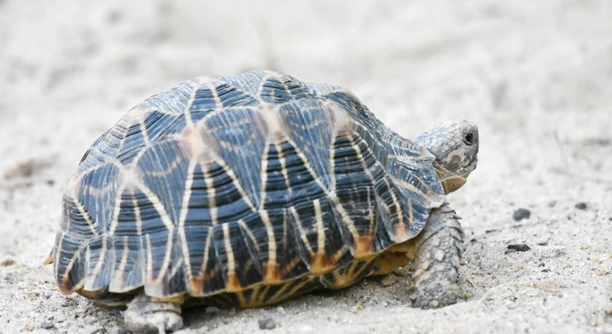
Turtles are fascinating creatures, but their health can be easily affected by the food they consume. It’s essential to know which foods can harm them. Understanding their dietary needs is important for their well-being.
Certain foods can be harmful to turtles, leading to digestive issues, obesity, or even death. Foods high in fat, sugar, or unsuitable nutrients should be avoided. These foods can disrupt their natural diet and cause long-term harm.
Being aware of these harmful foods will help you make the right choices for your turtle’s diet. Keeping them healthy starts with understanding what they should avoid. Let’s look at the foods that should stay off their plate.
1. Processed Meats
Processed meats, like sausages, ham, and bacon, are not suitable for turtles. These foods are high in fat and salt, which can cause harm to their digestive systems. Turtles naturally thrive on a varied diet that includes leafy greens, insects, and some fruits. Processed meats disrupt this balance and may lead to health issues like obesity or kidney problems. In the wild, turtles never encounter processed foods, so their bodies aren’t built to digest them properly. Feeding your turtle processed meats may seem harmless, but it can lead to long-term health issues that could be avoided with proper nutrition.
Avoiding these types of foods will help your turtle stay healthy and active. Instead, stick to a well-balanced diet of fresh, natural foods that meet your turtle’s nutritional needs. By providing the right food, you can help your turtle live a long and healthy life.
Opt for fresh vegetables, fruits, and insects that resemble what they would find in the wild. If you’re unsure about what’s best, consult a vet to make sure your turtle’s diet is spot on.
2. Dairy Products
Dairy products like cheese, milk, and yogurt are not appropriate for turtles. Their digestive systems are not designed to process dairy, which can lead to stomach issues and diarrhea. Even small amounts can upset their delicate balance. It’s crucial to avoid dairy to prevent potential harm.
Turtles are lactose intolerant, so consuming dairy can result in uncomfortable digestive issues. Their bodies lack the necessary enzymes to break down lactose, leading to gas, bloating, and diarrhea. Additionally, dairy offers no nutritional value to turtles, making it an unnecessary addition to their diet. Stick to foods that align with their natural eating habits, like vegetables and small amounts of protein.
Rather than trying to feed your turtle dairy, focus on providing healthy greens, insects, and aquatic plants that are rich in essential nutrients. These foods offer the vitamins and minerals your turtle needs for strong bones and a healthy shell. Keep their diet natural and dairy-free to ensure their overall health.
3. Iceberg Lettuce
Iceberg lettuce may seem like a safe choice for your turtle, but it actually provides very little nutrition. It’s mostly made up of water and lacks the essential vitamins and minerals turtles need. Too much iceberg lettuce can lead to malnutrition.
While it might be tempting to offer iceberg lettuce because it’s easy to find, it’s not a beneficial food for turtles. It doesn’t contain the nutrients that leafy greens like kale or dandelion greens provide. Turtles need more than just water-filled vegetables to stay healthy and energized. Iceberg lettuce can fill up their stomachs but not nourish them, leaving them deprived of necessary vitamins.
Instead, choose more nutrient-dense leafy greens such as collard greens, mustard greens, or spinach. These greens offer the vitamins A, C, and K that turtles need to stay healthy. Rotate the types of greens to keep their diet varied and balanced, giving them the best chance at a long, healthy life.
4. Avocados
Avocados are dangerous for turtles due to a substance called persin, which is toxic to many animals, including turtles. It can cause breathing problems, heart damage, and even death if consumed in large amounts. It’s best to keep avocados away from your turtle completely.
Although humans enjoy avocados as a healthy snack, they are not suitable for turtles. Persin affects turtles in a similar way it affects other animals, leading to severe health complications. Even small portions can be harmful, so it’s important to avoid feeding avocados to your turtle altogether. Always opt for safer foods.
If you’re looking to offer a variety of fruits to your turtle, consider alternatives like strawberries, blueberries, or melon. These fruits are much safer and provide nutritional benefits. When it comes to feeding your turtle, always stick to natural, non-toxic options to ensure their well-being.
5. Tomato Plants
Tomato plants, including the stems and leaves, can be harmful to turtles. They contain a substance called solanine, which is toxic to many animals. It can cause gastrointestinal issues and even poisoning if consumed in large amounts.
The red part of a tomato itself is safe in moderation, but the rest of the plant is not. The green parts of the tomato plant contain solanine, which can make your turtle sick. If your turtle consumes any of the plant’s stems or leaves, you might notice symptoms like lethargy, vomiting, or diarrhea. Avoid feeding them anything from a tomato plant.
Stick to the safe, ripe parts of the fruit if you want to offer tomatoes. However, tomatoes should still only be an occasional treat for your turtle, not a regular part of their diet. For daily meals, always provide fresh greens and other vegetables.
FAQ
Can turtles eat fruit?
Yes, turtles can eat certain fruits, but it’s important to feed them in moderation. Fruits like strawberries, blueberries, melon, and apples are good choices, as they provide vitamins and hydration. However, some fruits like citrus should be avoided due to their high acidity, which can upset their stomach. Overfeeding fruits can lead to obesity, so make sure to balance their diet with greens and protein.
Is lettuce good for turtles?
Not all lettuce is beneficial for turtles. While some types of lettuce are okay, iceberg lettuce should be avoided as it has little nutritional value. Romaine lettuce is a better option, as it contains more vitamins and fiber. It’s important to offer a variety of leafy greens to your turtle, such as collard greens, kale, and dandelion greens. These are more nutrient-dense and will help keep your turtle healthy.
Can turtles eat bugs or insects?
Yes, turtles can eat insects, and they should be part of their diet, especially for species that are more carnivorous. Insects like crickets, worms, and mealworms are excellent sources of protein. However, ensure the insects are appropriately sized for your turtle and free from pesticides. Offering insects a couple of times a week can keep your turtle’s diet balanced.
Should I feed my turtle fish?
Fish can be part of your turtle’s diet, but it’s best to offer them in moderation. Small feeder fish like minnows or goldfish can be a good source of protein. However, fish should not be the main food source for your turtle, as too much fish can lead to an imbalance in nutrients, especially in the case of fatty fish. Overfeeding fish can also result in vitamin deficiency.
Can turtles eat commercial turtle food?
Commercial turtle food is convenient, but it shouldn’t be the only thing you feed your turtle. Most commercial foods are designed to meet basic nutritional needs, but they can lack variety and important nutrients. Use them as a supplement to fresh vegetables, fruits, and insects, not as the sole source of food. Always check the ingredients and avoid products that are high in fillers like corn or soy.
How often should I feed my turtle?
Feeding frequency depends on the age and species of your turtle. Younger turtles require more frequent meals, usually once or twice a day, while adult turtles can be fed every other day. Make sure to observe your turtle’s eating habits to avoid overfeeding or underfeeding. It’s important to offer a balanced diet, adjusting for their activity level and size.
Can turtles eat bread or pasta?
Turtles should not eat bread or pasta. These foods offer little to no nutritional value and can cause digestive problems. Carbohydrates from bread or pasta can lead to obesity, especially in aquatic turtles, who require a low-carb, high-protein diet. Stick to fresh vegetables, fruits, and natural proteins to ensure your turtle stays healthy.
What vegetables are safe for turtles?
Turtles can eat a variety of vegetables, including leafy greens like kale, collard greens, and mustard greens. They can also enjoy carrots, zucchini, bell peppers, and sweet potatoes. Avoid starchy vegetables like potatoes, which can cause digestive issues. Make sure to wash all vegetables thoroughly and chop them into bite-sized pieces to make eating easier for your turtle.
Is it okay to feed my turtle chicken?
While turtles can eat small amounts of chicken as a protein source, it should be cooked and free from seasoning. Avoid giving raw chicken, as it could contain harmful bacteria. Chicken should only be an occasional treat and not a regular part of your turtle’s diet. A varied diet with proper amounts of insects and greens is best for their health.
Can turtles eat nuts or seeds?
No, turtles should not eat nuts or seeds. These foods are too high in fat and can cause digestive problems or even obesity if eaten in large amounts. They also don’t provide the essential vitamins and minerals that turtles need. Stick to fresh vegetables, fruits, and insects for a healthier, well-balanced diet.
Can turtles eat cooked vegetables?
Yes, turtles can eat cooked vegetables, but they should not be overly processed or seasoned. Steaming or boiling vegetables like carrots, spinach, or peas can make them easier to digest. However, raw vegetables are generally better as they retain more nutrients. Always ensure the vegetables are cut into small, manageable pieces to prevent choking.
Should I give my turtle supplements?
Most turtles can get the necessary nutrients from a varied diet, but in some cases, supplements may be necessary. If your turtle is not getting enough calcium or vitamin D, a calcium supplement may be helpful, especially for species that need stronger shells. It’s always best to consult with a vet before introducing any supplements to ensure they are needed.
Can turtles eat fast food?
Turtles should never be fed fast food. Fast food is loaded with unhealthy fats, salt, and artificial ingredients, which can be very harmful to your turtle. These foods are not natural and will disrupt your turtle’s digestion and overall health. Stick to whole, fresh foods to ensure your turtle’s well-being.
Can turtles eat cooked meat?
Cooked meat can be given to turtles in moderation, but it should not make up a large part of their diet. Lean meats, such as cooked chicken or turkey, can be a good source of protein. However, avoid processed meats or those with added seasoning. Too much meat can upset their digestive balance and lead to health problems. Always ensure the meat is cooked properly and cut into small pieces for easy consumption.
Final Thoughts
Taking care of a turtle involves understanding its diet and what foods are safe or harmful. While turtles may seem low-maintenance, they have specific nutritional needs that must be met to keep them healthy. Providing them with a balanced diet of vegetables, fruits, and protein is crucial for their well-being. It’s also important to avoid feeding them foods that are high in fat, salt, or those that can cause digestive issues. Understanding which foods to avoid can go a long way in helping your turtle live a long, healthy life.
As a pet owner, it’s your responsibility to make informed choices about what to feed your turtle. Always research before introducing new foods, and try to replicate the kinds of foods they would naturally eat in the wild. Fresh, natural options are always best. This means offering a variety of greens, fruits, and insects while steering clear of processed or sugary foods. A well-balanced diet will help your turtle grow strong, have good energy, and maintain a healthy shell and skin. By being mindful of their diet, you can prevent many common health issues.
Turtles may be small, but they require a lot of care and attention to thrive. While it’s easy to assume that any food is good for them, it’s important to be selective. Overfeeding or feeding the wrong types of food can have long-term effects on their health. Stick to simple, whole foods and avoid the temptation to feed them things that may seem harmless, like dairy or processed snacks. When in doubt, consult a vet for advice on your turtle’s diet. With the right care, your turtle can enjoy a healthy and happy life.

Hello,
If you enjoy the content that we create, please consider saying a "Thank You!" by leaving a tip.
Every little bit helps us continue crafting quality advice that supports the health, happiness, and well-being of pets around the world, for pets of all shapes, sizes, and species.
We really appreciate the kindness and support that you show us!