
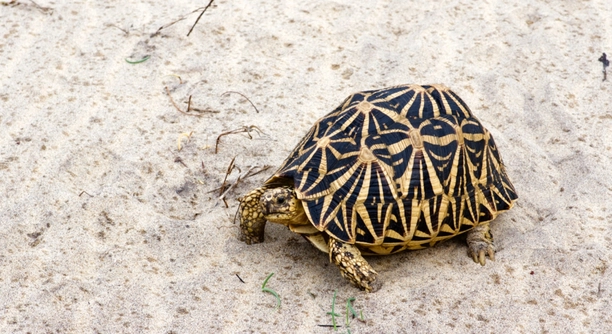
Sometimes, you may notice your turtle basking at night, leaving you wondering what could be causing this unusual behavior. It’s important to understand that turtles have specific needs and habits that affect their activity patterns.
Turtles may bask at night due to environmental factors, such as improper lighting, temperature, or stress. They may also be adjusting to a new habitat or exhibiting signs of discomfort, requiring attention to their surroundings.
Addressing your turtle’s nighttime basking behavior involves assessing the tank setup and ensuring it meets their natural needs. This can help restore a more typical pattern and improve their overall well-being.
Lighting Issues and Their Impact
Turtles rely on their environment to regulate their day and night cycles. If your turtle is basking at night, it could be because the lighting in their tank isn’t right. Turtles need a consistent day/night cycle with proper UVB lighting during the day. Without this, they may get confused and start to bask at night. If the lighting is on too late or not strong enough, it disrupts their internal clock, and they might end up staying active when they should be resting. The best solution is to ensure the lights are on during the day and off at night, creating a clear day/night rhythm.
Your turtle’s UVB light should be on for about 10–12 hours a day, simulating natural sunlight. It is also essential to change UVB bulbs regularly as they lose their effectiveness over time.
Proper tank lighting helps turtles follow a natural sleep-wake schedule. Ensure they have a dark and quiet space to sleep during the night. Any interruptions in their cycle can lead to stress and behavioral problems, such as nighttime basking. Keeping their environment as close to nature as possible is key to maintaining healthy habits and reducing nighttime activity.
Temperature Fluctuations
Temperature changes in your turtle’s environment can cause them to bask at odd hours. If the water or basking area is too cold, they may seek warmth during the night. Turtles need a consistent water temperature, typically between 75-80°F. If the water is too cold, they may not be able to regulate their body temperature, causing them to become more active at night, trying to warm up. You should ensure that the basking area is around 85°F, which is optimal for their well-being.
Sudden temperature drops at night may encourage your turtle to become more active to stay warm, leading to nighttime basking. Using a tank heater can help keep the water temperature consistent and comfortable for your turtle at all hours. Avoid placing the tank in areas where the temperature fluctuates too much.
Stress and Anxiety
Turtles, like other pets, can experience stress, and this may cause them to bask at night. Stressful situations, such as new environments, loud noises, or tankmates that aren’t compatible, can disrupt their behavior. Stress can make them more active at night as they try to find a sense of security.
If your turtle is stressed, you may notice other signs such as hiding, not eating, or pacing. Try to identify any changes in their environment, like new furniture or a change in the room’s lighting. Providing a calm, consistent environment can help reduce stress, making your turtle feel safer.
When turtles are stressed, their internal clocks can also be disrupted, making them stay awake longer. You can reduce stress by ensuring they have a stable, peaceful environment. Regular tank cleaning, proper space, and feeding at the same time each day are small but effective changes to help your turtle feel secure.
Tank Size and Space Limitations
A small tank can lead to stress, causing turtles to feel cramped and restless, leading to unusual behaviors such as basking at night. When turtles don’t have enough space to move around, they might start exhibiting strange habits. A larger tank can make a big difference in their behavior and overall health.
In addition to the size, make sure your turtle has adequate space to swim, bask, and explore. If they feel crowded, it can lead to nighttime activity as they search for a better spot. A tank that’s too small can also cause territorial disputes if there are multiple turtles, creating more stress.
Offering your turtle a spacious tank with areas to swim, bask, and hide will allow them to engage in natural behaviors. Over time, this can help reset their habits, including their basking schedule, and make them feel more comfortable during the day. Keep in mind that a spacious tank not only benefits their health but also reduces the chances of nighttime activity caused by frustration or boredom.
Poor Diet and Nutritional Deficiencies
An inadequate diet can cause turtles to become more active at night, possibly due to a lack of proper energy. If they’re not getting the nutrients they need, they might exhibit abnormal behavior, like basking when they should be resting.
Turtles need a balanced diet with appropriate amounts of protein, vegetables, and calcium. Without it, they may be restless or stressed, making them more likely to bask during the night. Make sure to include a variety of food options to meet all their dietary needs, and consider consulting a vet if their behavior doesn’t improve.
Illness or Injury
Turtles may also bask at night if they’re feeling unwell or are recovering from an injury. Pain or discomfort can make them act unusually, including staying active when they should be resting. Illness may lead to the need for extra warmth, encouraging nighttime basking.
If your turtle shows other signs of illness, such as lethargy, loss of appetite, or unusual swimming behavior, it could be time for a vet visit. Keeping an eye on their health can help prevent long-term issues.
FAQ
Why is my turtle basking at night?
Turtles may bask at night if their environment is not ideal. Factors such as improper lighting, temperature fluctuations, or stress can lead to this behavior. Additionally, if the tank is too small or they are not getting the right nutrition, turtles may become more active during the night in search of comfort. To address this, make sure your turtle’s environment is stable, with proper lighting and temperature, and ensure they are getting a balanced diet. Also, assess their tank space and ensure it’s large enough for them to move freely.
How can I stop my turtle from basking at night?
To stop your turtle from basking at night, first check the lighting in their tank. Ensure that their UVB light is on for 10–12 hours a day, and the lights are off at night to help create a natural day/night cycle. Maintaining a proper water temperature and providing a larger tank can also prevent nighttime basking. Additionally, addressing any stressors and making sure the turtle’s diet is well-balanced can help restore normal patterns. Making these changes will give your turtle a more structured environment to follow natural habits.
Is nighttime basking harmful to my turtle?
Nighttime basking itself isn’t necessarily harmful, but it can indicate that something is wrong in your turtle’s environment. If your turtle is frequently active during the night instead of resting, it could be a sign of stress, improper lighting, or temperature issues. Over time, these disruptions can lead to more serious health issues, so it’s important to address the cause of the nighttime activity. With a proper routine and stable environment, your turtle can get back to a more typical sleep schedule.
How much light does my turtle need each day?
Your turtle needs about 10–12 hours of light each day. A proper UVB light is essential to help them regulate their sleep cycle and absorb calcium. This lighting should be turned off at night to allow your turtle to experience a full day-night cycle. Consistency is key in giving your turtle a healthy environment. Overexposure to light can also stress them out, so make sure the light source is on a timer and replicates natural day and night patterns as closely as possible.
Can temperature affect my turtle’s behavior?
Yes, temperature plays a big role in your turtle’s behavior. If the water or basking area is too cold, your turtle may try to stay active at night in search of warmth. Turtles need a basking area of about 85°F and water temperature between 75–80°F to feel comfortable. When temperatures fluctuate or are inconsistent, your turtle’s behavior can change, including an increase in nighttime activity. Be sure to use a reliable heater and thermometer to maintain a consistent, comfortable temperature for your turtle.
What should I do if my turtle is stressed?
If your turtle is stressed, it’s important to identify the cause and make changes to their environment. Stress can be caused by overcrowding, loud noises, or sudden changes in their surroundings. A smaller tank can increase stress, so providing enough space to swim and bask comfortably is crucial. You should also avoid disturbing your turtle too much and give them time to adjust if there has been a recent change in their environment. Providing a hiding spot can also help reduce stress by giving them a safe place to retreat.
Can I use heat lamps for my turtle’s basking area?
Yes, heat lamps are great for creating a basking area with the right temperature. A heat lamp can help provide warmth during the day when your turtle is basking. However, it’s important not to use the heat lamp for too long, as this can disturb their day/night cycle. A heat lamp should be used in conjunction with a UVB light to ensure your turtle gets both warmth and necessary UV rays for their health. Make sure the heat lamp is positioned in such a way that your turtle can regulate their exposure to the warmth.
How often should I change the water in my turtle’s tank?
Water changes depend on the size of your turtle’s tank and the number of turtles you have. In general, it’s good practice to change 25–50% of the water every week. Larger tanks or tanks with fewer turtles may require less frequent changes, but it’s important to monitor water quality. Dirty water can lead to health problems and make your turtle uncomfortable, which may cause stress and even nighttime basking. Be sure to also clean the filter regularly to maintain clean water and a healthy environment for your turtle.
Does my turtle need a filter in their tank?
Yes, a filter is highly recommended for your turtle’s tank. Turtles produce a lot of waste, and without a filter, the water can quickly become dirty and unhealthy. A filter helps to remove excess waste and keeps the water clean, reducing the chances of your turtle getting sick. Keeping the water clean is also important for preventing stress, which can contribute to abnormal behavior, like nighttime basking. A filter will make maintenance easier and improve the overall living conditions for your turtle.
Can my turtle’s behavior be a sign of illness?
Turtles may exhibit unusual behaviors, like nighttime basking, if they are ill or in pain. If your turtle is also showing signs such as a lack of appetite, lethargy, or difficulty swimming, it could indicate an underlying health problem. Illness can make them more active at night, especially if they are trying to find warmth or comfort. If you notice any of these symptoms, it’s important to take your turtle to a veterinarian to rule out any medical issues and get appropriate treatment.
Final Thoughts
If your turtle is basking at night, it’s often a sign that something in its environment needs attention. Turtles are creatures of habit, and they thrive on a stable environment. When factors like lighting, temperature, or stress are off, it can lead to unusual behaviors, such as nighttime basking. It’s important to understand that turtles need a consistent day and night cycle. By ensuring their habitat mimics natural conditions, you can help them maintain a healthy routine.
One of the most common causes of nighttime basking is improper lighting. Turtles need UVB light to regulate their day-night cycle, and if this light is left on too long or isn’t providing enough UVB, it can confuse your turtle. Along with lighting, temperature plays a big role. If the water or basking area is too cold, your turtle may seek warmth at odd times. Keeping the tank at the correct temperature and ensuring the basking spot is warm enough is essential for your turtle’s well-being. Monitoring these conditions closely can help resolve nighttime basking.
Finally, it’s crucial to consider the overall health and comfort of your turtle. Stress, injury, or illness can make them more active when they should be resting. A calm environment with proper space, clean water, and a healthy diet can reduce the chances of nighttime activity. If your turtle’s behavior doesn’t improve after adjusting its environment, it might be time for a vet check-up to rule out any health concerns. By paying attention to these details, you can help your turtle feel safe, secure, and comfortable, leading to a more regular basking routine during the day.

Hello,
If you enjoy the content that we create, please consider saying a "Thank You!" by leaving a tip.
Every little bit helps us continue crafting quality advice that supports the health, happiness, and well-being of pets around the world, for pets of all shapes, sizes, and species.
We really appreciate the kindness and support that you show us!