
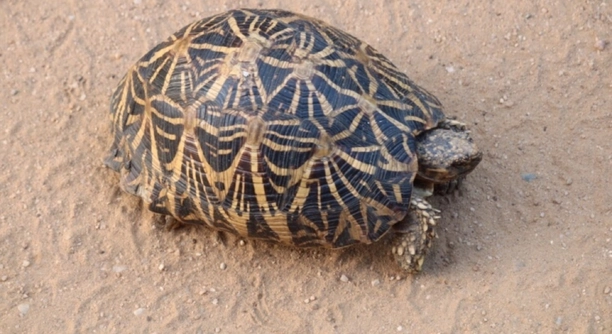
Do you ever find yourself struggling to create the perfect habitat for your pet turtle? Setting up a turtle tank may seem simple, but small mistakes can lead to serious health issues and an uncomfortable living environment for your shelled companion.
Many common turtle tank setup mistakes stem from improper water conditions, inadequate lighting, and poor filtration. These errors can negatively affect your turtle’s health, leading to issues such as shell rot, respiratory infections, and overall stress in their habitat.
From water quality concerns to incorrect basking temperatures, understanding these common mistakes will help you provide a safe and comfortable home for your turtle.
Using the Wrong Tank Size
Turtles need plenty of space to swim, bask, and explore. A small tank can lead to stress, poor water quality, and stunted growth. Many people start with a small setup, thinking it will be enough, but turtles grow quickly and need more room than expected. A general rule is to provide at least 10 gallons of water per inch of shell length. Larger species may require even more space. A cramped environment can make it harder to regulate temperature and keep the water clean, leading to potential health problems over time.
A small tank also limits the placement of essential features like a basking area, filter, and hiding spots. Without these, turtles may struggle to maintain proper body temperature and feel secure in their surroundings.
Upgrading to a properly sized tank ensures your turtle has a comfortable home. Investing in a spacious enclosure from the start prevents unnecessary stress and frequent tank replacements.
Inadequate Filtration
A weak or undersized filter can lead to dirty water, which can cause bacterial infections and foul odors. Turtles produce more waste than fish, so their tanks require strong filtration to maintain clean water.
A high-quality filter should handle at least three times the tank’s water volume per hour. For example, a 50-gallon tank needs a filter rated for at least 150 gallons. Canister filters are a great choice because they offer powerful filtration and help keep the water clear. Regular maintenance, such as cleaning the filter and removing debris, is also necessary. If waste builds up too quickly, the filter may not be working efficiently.
Neglecting proper filtration can cause ammonia and nitrate levels to rise, leading to respiratory issues and skin problems. A well-maintained filter not only improves water quality but also reduces the frequency of full water changes. Keeping the tank clean helps your turtle stay healthy and active.
Incorrect Basking Temperature
A basking area that is too cold can make turtles sluggish and affect their digestion. If it is too hot, they may avoid basking altogether, leading to health issues. The right temperature is essential for their well-being.
The basking spot should be between 85°F and 95°F, depending on the species. A heat lamp positioned correctly will help maintain this range. Using a thermometer ensures accuracy. If the temperature is too low, turtles may not fully dry off, increasing the risk of shell infections. An adjustable heat lamp allows for better control over the basking environment.
Turtles need a proper balance between water and basking temperatures. A significant difference between the two encourages them to bask regularly. If they avoid basking, it could mean the area is uncomfortable. Monitoring both temperatures daily helps create a stable and safe habitat for your turtle.
Poor UVB Lighting
Turtles need UVB light to stay healthy. Without it, they may develop metabolic bone disease, leading to weak bones and deformities. A UVB bulb should be placed above the basking area, providing light for 10 to 12 hours daily. Replacing the bulb every six months ensures it remains effective.
A lack of UVB exposure prevents turtles from absorbing calcium properly, which can result in soft shells and mobility problems. Not all bulbs provide adequate UVB levels, so checking the specifications is important. A combination of UVB and heat allows turtles to regulate their body temperature and process nutrients efficiently. Positioning the bulb at the correct distance ensures proper exposure.
A screen cover can block UVB rays, reducing their effectiveness. If using a mesh lid, choose one with large openings or adjust the light’s placement. Proper lighting improves shell strength, boosts appetite, and helps turtles stay active.
Using the Wrong Substrate
Gravel and small pebbles can be dangerous for turtles. They may accidentally swallow these materials, leading to blockages that require surgery. A bare-bottom tank or large, smooth river rocks are safer options that prevent accidental ingestion and make cleaning easier.
Dirty or inappropriate substrate can trap waste and create harmful bacteria. Sand can work for some setups, but it requires frequent maintenance. If using a substrate, ensure it is easy to clean and does not pose a risk to your turtle’s health.
Overcrowding the Tank
Too many turtles in one tank can cause stress, aggression, and poor water quality. Each turtle needs enough space to swim, bask, and rest without competing for resources. Overcrowding can also lead to fights, injuries, and higher ammonia levels, making the environment unhealthy.
Ignoring Regular Tank Maintenance
Skipping water changes and filter cleanings leads to dirty water and a buildup of harmful bacteria. A consistent cleaning schedule helps maintain a stable environment, reducing health risks.
FAQ
How often should I clean my turtle’s tank?
A partial water change should be done every week, replacing about 25% of the water. A full tank cleaning, including scrubbing surfaces and rinsing the filter, should be done once a month. Regular maintenance helps prevent ammonia buildup and keeps your turtle healthy.
Do turtles need a water heater?
Yes, most turtles need a water heater to maintain a stable temperature. The ideal range depends on the species, but generally, the water should be between 75°F and 80°F. Sudden temperature drops can weaken their immune system, increasing the risk of infections. A submersible heater with a thermostat ensures consistency.
What type of filter is best for a turtle tank?
Canister filters are the best option because they provide strong filtration and handle turtle waste effectively. Hang-on-back filters can work for small tanks but may require frequent cleaning. A filter should be rated for at least three times the tank’s volume to maintain clean water and reduce odors.
How long should the basking light stay on?
Turtles need 10 to 12 hours of basking light per day to maintain a proper day-night cycle. Keeping the light on for too long can stress them, while too little exposure affects their metabolism and calcium absorption. Using a timer ensures a consistent schedule.
Why does my turtle refuse to bask?
If your turtle avoids basking, the temperature might be too low or too high. The basking area should be between 85°F and 95°F, depending on the species. Another reason could be improper UVB lighting. Ensure the bulb is effective and positioned correctly above the basking spot.
Can I use tap water for my turtle’s tank?
Yes, but it needs to be treated with a water conditioner to remove chlorine and heavy metals. Untreated tap water can irritate your turtle’s eyes and skin. A good water conditioner ensures a safe and comfortable environment, preventing potential health issues.
What foods should I avoid feeding my turtle?
Avoid feeding turtles processed foods, dairy, and high-fat meats. Iceberg lettuce lacks nutrients, and fruits should only be an occasional treat. Feeding them too much protein without vegetables can cause shell deformities. A balanced diet includes commercial turtle pellets, leafy greens, and occasional live or frozen proteins.
Why does my turtle’s tank smell bad?
A strong odor usually means poor filtration or infrequent cleaning. Uneaten food, waste, and dirty substrate contribute to foul smells. Using a strong filter, doing regular water changes, and removing leftover food will help maintain a fresh-smelling tank.
Can turtles live with fish?
Turtles can eat fish, so only fast, non-aggressive species with plenty of hiding spots should be considered. Goldfish and slow-moving fish are not ideal tankmates. Even with the right setup, there is always a risk of turtles attempting to catch and eat their tankmates.
Do turtles need companionship?
Turtles are solitary animals and do not require tankmates. Housing multiple turtles together can lead to stress, fighting, and competition for food and basking areas. If keeping more than one turtle, ensure they have enough space and watch for signs of aggression.
Final Thoughts
Providing a proper tank setup is essential for a turtle’s health and well-being. Mistakes like using the wrong tank size, inadequate filtration, or poor lighting can lead to serious health problems over time. Taking the time to set up the tank correctly from the start prevents stress and ensures a comfortable environment. Regular maintenance, including water changes, filter cleanings, and checking basking conditions, keeps the habitat safe and stable. A well-maintained tank helps turtles stay active, grow properly, and avoid common health issues.
Understanding your turtle’s needs allows you to make better choices for their care. A spacious tank with clean water, the right temperature, and proper UVB lighting gives them everything they need to thrive. Avoiding common mistakes, such as overcrowding or using unsafe substrates, reduces health risks and creates a more natural environment. Providing a balanced diet with a mix of commercial pellets, fresh vegetables, and occasional protein also plays a big role in keeping turtles strong and healthy. Paying attention to their behavior and adjusting their habitat when needed ensures they stay comfortable.
Keeping a turtle requires commitment, but with the right setup, they can live a long and happy life. Small improvements in their environment can make a big difference in their overall well-being. Learning about proper care, making necessary adjustments, and staying consistent with maintenance will help your turtle stay healthy for years to come.

Hello,
If you enjoy the content that we create, please consider saying a "Thank You!" by leaving a tip.
Every little bit helps us continue crafting quality advice that supports the health, happiness, and well-being of pets around the world, for pets of all shapes, sizes, and species.
We really appreciate the kindness and support that you show us!