
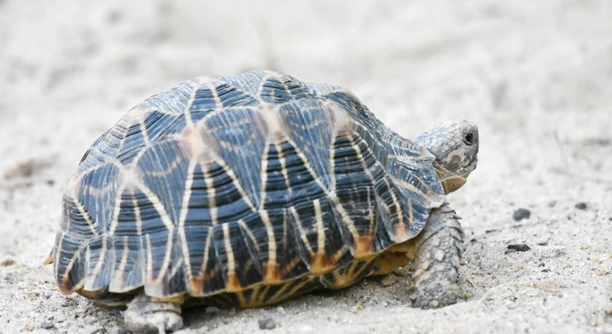
Is your turtle constantly hiding under its food dish, leaving you wondering why it prefers that spot over others?
Turtles often hide under their food dish to feel safe and secure. This behavior mimics their natural instinct to seek shelter in the wild, offering them protection from perceived threats and creating a comfortable hiding place.
Understanding why your turtle behaves this way can help you create a more comfortable and stress-free habitat for your pet.
Why Turtles Hide Under Their Food Dish
Turtles hide under their food dish for several reasons, mostly linked to their natural instincts. In the wild, turtles seek out safe spots to avoid predators and harsh weather. Even in a controlled environment, this behavior continues. If your turtle hides frequently, it may be trying to feel safe. The food dish offers a small, enclosed space that feels like a shelter. This can be especially true if the tank lacks other hiding spots. Environmental factors also play a role. If the temperature is too hot or cold, your turtle may retreat to cooler or warmer spots under the dish. Stress, unfamiliar surroundings, and bright lighting can also make turtles want to hide. By observing your turtle’s behavior, you can better understand its needs and ensure it feels comfortable in its habitat.
Turtles may also hide when they are feeling unwell. It can be a way to avoid stress or overstimulation.
Providing a balanced habitat with proper temperature, lighting, and hiding spots can reduce your turtle’s need to hide under its food dish. By making small adjustments, you can create a comfortable and secure environment where your turtle feels safe and relaxed.
How to Make Your Turtle Feel Safer
Creating a stress-free habitat for your turtle starts with understanding its basic needs.
Ensure your turtle’s tank includes at least one designated hiding spot, such as a small cave or a hollow log. This provides a secure area where your turtle can retreat without using the food dish. Temperature regulation is also key. Keep the basking area between 85-90°F (29-32°C) and the water between 75-80°F (24-27°C). Using a high-quality UVB light helps mimic natural sunlight and supports your turtle’s overall health. Avoid placing the tank in areas with loud noises or direct sunlight, as these can cause stress. Regularly clean the habitat to maintain a healthy environment, and observe your turtle’s behavior for any signs of discomfort or illness.
By making these adjustments, you can help your turtle feel safe while promoting a healthier and happier environment for your pet.
Signs Your Turtle May Be Stressed
Turtles show stress in subtle ways. Hiding under the food dish more often than usual is one clear sign. Other signs include reduced appetite, lethargy, or aggressive behavior. If you notice these changes, your turtle may be feeling uncomfortable or stressed in its environment.
Another sign of stress is excessive digging or trying to escape the tank. Turtles may also retract into their shells for long periods if they feel threatened. Sudden changes in behavior, like refusing to bask or spending too much time underwater, are worth paying attention to. Consistently stressed turtles can develop health problems if their needs are not met. Keeping track of their daily routines helps you identify any unusual behavior quickly.
Stress in turtles can also show through physical symptoms. If your turtle’s shell looks soft or discolored, or if you notice swollen eyes or breathing issues, these could be signs of health problems caused by stress. Promptly addressing these symptoms and adjusting their environment can help reduce their stress levels. Providing a calm, quiet habitat with proper lighting, temperature, and hiding spots is key to keeping your turtle healthy and comfortable.
Ways to Reduce Your Turtle’s Stress
Creating a comfortable habitat is the best way to reduce your turtle’s stress. Ensure the tank is spacious enough, as overcrowding can cause anxiety. For one small turtle, a 40-gallon tank is usually a good starting point. Adding plants and hiding spots provides a sense of security.
Temperature and lighting play an essential role in your turtle’s well-being. Keep the basking area warm enough (85-90°F or 29-32°C) and maintain the water temperature between 75-80°F (24-27°C). Using a UVB light for 10-12 hours daily helps support their health. Avoid sudden changes in temperature, as this can make your turtle uneasy. Keeping the habitat clean is also important. Dirty water can cause illness and add to their stress. Regularly change the water and clean the tank to keep it safe and healthy.
Limit loud noises and sudden movements around the tank. Turtles are sensitive to their surroundings and feel safer in a calm environment. Handle your turtle gently and only when necessary to avoid causing distress. By creating a peaceful habitat and monitoring their behavior, you can help your turtle feel more secure and less likely to hide under its food dish.
Common Mistakes in Turtle Care
One common mistake is not providing enough hiding spots. Without a safe place to retreat, turtles may hide under their food dish to feel secure. Adding natural hiding areas like caves or logs can help your turtle feel more comfortable in its environment.
Another mistake is incorrect temperature regulation. If the tank is too hot or cold, your turtle may become stressed and seek shelter under the food dish. Regularly check the water and basking temperatures to ensure they stay within the recommended range for your turtle’s species.
When to Seek Help from a Veterinarian
If your turtle hides excessively and shows signs of illness like loss of appetite, breathing problems, or changes in shell texture, it may be time to consult a veterinarian. A professional can diagnose underlying health issues and provide guidance on improving your turtle’s environment and overall well-being.
Maintaining a Healthy Environment
A clean, well-maintained habitat helps keep your turtle healthy. Regularly clean the tank, monitor temperature and lighting, and provide hiding spots. These simple steps can prevent stress and reduce your turtle’s need to hide under its food dish.
FAQ
Why does my turtle hide under its food dish so often?
Your turtle may hide under its food dish because it feels unsafe or stressed. Turtles naturally seek shelter when they sense a threat or need a quiet place to rest. If the tank lacks proper hiding spots, your turtle may use the food dish as a substitute. Environmental factors like incorrect temperature, loud noises, or sudden changes in surroundings can also cause this behavior. Providing a well-balanced habitat with adequate hiding areas can help your turtle feel more secure.
Is it normal for a turtle to hide all day?
It is normal for turtles to hide occasionally, but constant hiding may indicate a problem. Turtles hide when they feel threatened, unwell, or uncomfortable. If your turtle hides all day, check the tank’s temperature, lighting, and cleanliness. Ensure there are enough hiding spots like caves or plants. If the behavior continues despite a proper setup, consider consulting a veterinarian to rule out any health issues.
Can stress harm my turtle’s health?
Yes, prolonged stress can harm your turtle’s health. Stress weakens their immune system, making them more prone to infections and diseases. Signs of stress include reduced appetite, lethargy, and changes in behavior. A clean, quiet habitat with proper temperature and lighting helps reduce stress. Regularly monitor your turtle’s behavior to detect any signs of distress early.
What kind of hiding spots should I provide for my turtle?
Offer natural hiding spots that mimic your turtle’s wild habitat. Good options include small caves, hollow logs, or aquatic plants. These provide safe spaces where your turtle can retreat when feeling stressed. Ensure the hiding spots are easy to access and large enough for your turtle to enter comfortably. Having multiple hiding places can also help your turtle feel more at ease.
How can I tell if my turtle is too cold or too hot?
If your turtle is too cold, it may become sluggish, refuse to eat, or spend too much time hiding. If it is too hot, it might become restless, try to escape the tank, or avoid the basking area. Keep the water temperature between 75-80°F (24-27°C) and the basking area between 85-90°F (29-32°C). Use a reliable thermometer to check these levels regularly.
Why does my turtle try to escape the tank?
Turtles try to escape when they feel stressed, bored, or uncomfortable. Common reasons include incorrect temperatures, lack of space, or poor water quality. Ensure the tank meets your turtle’s needs by providing enough room, maintaining proper temperature, and offering enrichment like plants or toys. Observing and adjusting the habitat can reduce escape attempts.
How often should I clean my turtle’s tank?
Perform partial water changes weekly and a full tank cleaning monthly. Dirty water can cause illness and stress. Use a water filter to keep the habitat clean and remove uneaten food promptly. Regular cleaning helps maintain a healthy environment, reducing the chances of your turtle hiding due to discomfort.
Can my turtle’s diet affect its behavior?
Yes, an unbalanced diet can affect your turtle’s behavior. Turtles need a mix of protein, vegetables, and commercial turtle food. Nutrient deficiencies can cause lethargy or irritability. Feed your turtle a varied, species-appropriate diet and avoid overfeeding. Ensuring a proper diet supports both physical health and normal behavior.
What should I do if my turtle stops eating?
If your turtle stops eating, check the tank’s temperature and cleanliness first. Incorrect conditions can affect appetite. Stress, illness, or dietary boredom may also be factors. Offer a variety of foods and monitor other symptoms like lethargy or weight loss. If the issue persists, seek advice from a veterinarian.
Do turtles need a day and night cycle?
Yes, turtles need a consistent day and night cycle. Aim for 10-12 hours of UVB light during the day and darkness at night. This cycle mimics their natural environment, regulating their sleep and overall well-being. Avoid leaving the tank light on overnight, as constant light can disrupt their behavior and cause stress.
Final Thoughts
Understanding why your turtle hides under its food dish can help you create a better environment for your pet. This behavior is often a sign that your turtle is seeking comfort, warmth, or safety. Factors like stress, incorrect temperatures, and lack of proper hiding spots can encourage your turtle to use its food dish as a shelter. By observing your turtle’s behavior closely, you can identify what might be causing the issue and make simple adjustments to its habitat. Providing the right environment can reduce stress and encourage healthier behaviors.
A well-maintained habitat is essential for your turtle’s well-being. Ensure the tank is clean, the water is at the correct temperature, and there are plenty of safe hiding spots. Small changes, like adding a cave or adjusting the lighting, can make a big difference in how comfortable your turtle feels. Regularly monitor your turtle’s behavior for any unusual signs. If your turtle continues to hide excessively despite a proper setup, it may be time to seek guidance from a veterinarian. Catching potential health problems early can prevent long-term issues and ensure your turtle stays happy and healthy.
Turtles have unique personalities and needs, so it is important to be patient and attentive. Providing a secure and comfortable environment helps your turtle feel safe and reduces the need for unusual hiding behaviors. By understanding your turtle’s instincts and responding to its needs, you can build a stronger bond and support its overall well-being. A little care and attention go a long way in helping your turtle thrive in its home.

Hello,
If you enjoy the content that we create, please consider saying a "Thank You!" by leaving a tip.
Every little bit helps us continue crafting quality advice that supports the health, happiness, and well-being of pets around the world, for pets of all shapes, sizes, and species.
We really appreciate the kindness and support that you show us!