
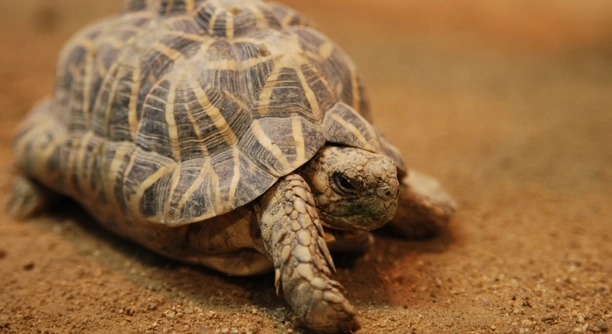
Turtles can be wonderful pets, but like all animals, they can face health issues. Digestive problems are common and often go unnoticed until symptoms become more severe. Recognizing these issues early can help ensure your turtle stays healthy.
When a turtle experiences digestive issues, it may show signs like lack of appetite, abnormal feces, or bloating. These symptoms often indicate that something is wrong with their digestive system and may require attention from a veterinarian.
Understanding how to spot the signs of digestive problems in turtles is crucial. Knowing when to seek help can prevent further complications and ensure your turtle stays healthy and happy.
1. Lack of Appetite
When your turtle refuses food, it’s one of the first signs that something could be wrong. A healthy turtle is typically eager to eat, and a sudden decrease in appetite might indicate digestive issues. This could be linked to an infection, stress, or even an improper diet. While it’s normal for turtles to skip meals occasionally, a prolonged lack of appetite often signals a deeper problem.
The lack of appetite could be due to various reasons, including changes in their environment or a diet that’s not properly balanced. Stress from changes in their habitat or handling can also play a significant role in this behavior. However, if the issue persists for more than a couple of days, it’s best to monitor other signs and consult a vet.
A turtle’s digestive health is crucial for its overall well-being. If your turtle isn’t eating regularly, pay attention to other symptoms, such as lethargy or changes in their stool. In some cases, digestive issues like constipation or bacterial infections can cause appetite loss. Early intervention can prevent more severe problems, so it’s important to stay alert to these signs.
2. Abnormal Stool
Abnormal stool, such as diarrhea or dry, hard pellets, can indicate digestive issues. These changes in bowel movements are often a red flag that the digestive system isn’t working properly. It could also be a sign of dietary imbalance or infection.
Monitoring your turtle’s stool regularly is an important part of keeping an eye on its health. Watery stools could suggest an infection, while unusually dry or hard stools can be a sign of constipation. Both situations can cause discomfort and affect your turtle’s overall health.
A well-balanced diet that includes the right amount of fiber and water can help maintain regular stool patterns. However, if these issues persist or worsen, it’s essential to consult a veterinarian. Digestive problems left untreated may lead to more serious complications, so it’s better to address the issue as soon as possible to avoid long-term health problems.
3. Bloating
Bloating can be a clear sign that something isn’t right in your turtle’s digestive system. If your turtle’s abdomen appears swollen or puffed up, it’s time to take action. This could be due to gas buildup or other digestive disturbances, which can cause discomfort.
Bloating may result from overeating, improper diet, or constipation. It could also indicate an underlying infection or digestive blockage. Turtles have sensitive systems, and any disruption can lead to serious problems if left unchecked. In more severe cases, it may lead to organ failure, so it’s crucial to pay attention.
If you notice your turtle is bloated, check for other symptoms like lethargy, difficulty moving, or loss of appetite. Keep their tank clean and ensure they are eating a balanced diet. If bloating persists or worsens, it’s essential to visit a vet, who can help identify the cause and provide treatment. Early care can prevent further complications.
4. Inactivity
A significant decrease in activity can be a strong sign of digestive issues in turtles. Healthy turtles are generally active, whether swimming or exploring their environment. When they suddenly become very inactive or lethargic, it’s time to pay attention.
Digestive problems can drain a turtle’s energy, causing them to retreat into their shell more often or lie motionless for extended periods. It could be caused by constipation, bacterial infections, or other digestive issues that require proper attention. A lack of movement may also suggest that they are in discomfort due to digestive pain.
If your turtle’s inactivity lasts more than a day or two, you should take a closer look at other signs such as loss of appetite or abnormal stool. Proper hydration and a balanced diet can help, but don’t hesitate to seek veterinary advice if the inactivity persists. A vet can help identify any underlying problems and offer the best treatment to get your turtle back to its active self.
5. Vomiting
Vomiting is a serious symptom that should never be ignored. If your turtle is vomiting frequently, it could be a sign of digestive distress. This could be caused by an infection, dietary issues, or other underlying conditions that affect their stomach.
Turtles may vomit if they eat something that doesn’t agree with them, such as food that is too large, hard to digest, or spoiled. In some cases, vomiting might also be a response to bacterial or parasitic infections. It’s crucial to monitor their behavior closely and provide them with a balanced diet.
If vomiting continues, it’s important to consult a veterinarian as soon as possible. Persistent vomiting can lead to dehydration or malnutrition, and it may also indicate a more serious issue that needs immediate attention. Proper diagnosis and treatment are key to your turtle’s recovery.
6. Weight Loss
Unexplained weight loss can be a sign of digestive issues in turtles. If your turtle is losing weight despite eating regularly, it could indicate that they’re not absorbing nutrients properly or are suffering from a health problem.
Turtles need to maintain a healthy weight for optimal health. If they’re losing weight, it could be due to a poor diet, lack of nutrients, or an infection affecting their digestive system. It’s important to monitor their eating habits and ensure they are receiving the right type of food.
If weight loss persists, it is essential to consult a veterinarian. A vet can help determine if there is an underlying health issue, such as an infection or parasite, causing the weight loss. Identifying the problem early can prevent further complications and help your turtle recover.
7. Poor Shell Condition
A healthy shell is a sign of a healthy turtle, but digestive problems can affect shell condition. If you notice cracks, softness, or discoloration, it could be related to their digestive health. Proper nutrition is key to keeping a turtle’s shell strong and healthy.
Poor shell condition may indicate a calcium deficiency or digestive issues that prevent proper nutrient absorption. A balanced diet rich in calcium and vitamins is essential to shell health. If digestive issues are preventing proper digestion, the shell may become more vulnerable to damage.
FAQ
What causes digestive problems in turtles?
Digestive issues in turtles can be caused by various factors, including an improper diet, poor water quality, parasites, infections, or stress. If their diet lacks proper nutrients or they eat something they can’t digest, it can lead to constipation or diarrhea. Poor water quality can also affect their digestive system. Parasites and infections often disrupt normal digestion, causing symptoms like bloating, vomiting, or loss of appetite. Stress, whether from changes in the environment or improper handling, can also lead to digestive disturbances.
How can I tell if my turtle’s digestive issues are serious?
The severity of digestive issues can often be determined by the persistence and combination of symptoms. If your turtle refuses to eat, experiences prolonged bloating, or shows signs of lethargy or vomiting, these could be signs of a serious problem. Weight loss, diarrhea, or abnormal stool should also be taken seriously. If these issues last more than a couple of days or seem to worsen, it’s important to consult a veterinarian. Early intervention is key to preventing long-term damage.
Can a poor diet cause digestive issues in turtles?
Yes, a poor diet is one of the most common causes of digestive problems in turtles. If their food is not nutritionally balanced or doesn’t meet their specific needs, it can lead to digestive issues like constipation, diarrhea, or malabsorption. For example, feeding a turtle only one type of food, such as just protein or just plants, can cause nutrient deficiencies. A healthy diet includes a variety of foods that are rich in fiber, calcium, and other essential nutrients to promote proper digestion.
How often should I feed my turtle to prevent digestive problems?
The frequency of feeding depends on your turtle’s age and species. For most adult turtles, feeding once every other day is sufficient. However, young turtles often require daily feeding due to their faster metabolism. Offering a variety of foods, including leafy greens, protein, and occasional fruits, is important. Overfeeding can cause digestive issues, so it’s important to monitor portion sizes and avoid excessive amounts of food at each meal.
Can stress affect my turtle’s digestion?
Yes, stress can significantly affect your turtle’s digestive system. Stress can be caused by a variety of factors such as changes in the environment, improper tank conditions, loud noises, or handling. When a turtle is stressed, its digestive system may slow down, leading to constipation or a loss of appetite. Ensuring a stable, quiet, and comfortable environment with appropriate water temperature, lighting, and habitat can reduce stress and help maintain a healthy digestive system.
Is there anything I can do to improve my turtle’s digestion naturally?
Yes, there are several natural ways to support your turtle’s digestion. Ensuring they have a well-balanced diet rich in fiber is essential. Offering a variety of leafy greens, aquatic plants, and some high-quality protein can help maintain proper digestive health. Make sure your turtle has access to clean, fresh water at all times, and avoid feeding them overly processed foods. Adding some variety, like occasional fruits or vegetables, can aid in digestion. If your turtle shows signs of digestive distress, keeping their environment stress-free and at the proper temperature can also support their recovery.
Should I take my turtle to a vet if it’s showing digestive issues?
If your turtle is showing any signs of serious digestive issues, such as consistent vomiting, bloating, weight loss, or severe lethargy, it’s best to take them to a vet. A vet who specializes in reptiles can provide a proper diagnosis and recommend treatment options. Even if the issue seems mild, it’s better to be cautious. Ignoring digestive problems can lead to more serious health problems, including dehydration, malnutrition, or organ damage.
How can I prevent digestive issues in my turtle?
Prevention starts with providing a proper and balanced diet. Ensure your turtle’s meals are varied and contain appropriate nutrients. Offer a mix of leafy greens, fruits, protein, and occasional calcium supplements. Keep the habitat clean and maintain good water quality. A stress-free environment with the proper temperature and lighting is also essential. Regularly monitor your turtle’s health, observing any changes in behavior, appetite, or stool. By staying proactive and providing the right conditions, you can help prevent most digestive problems.
Are certain turtle species more prone to digestive issues?
Some turtle species are more sensitive to digestive problems than others. Aquatic species, for example, may experience digestive issues if they are not provided with enough fiber or if their diet lacks variety. Herbivorous turtles like the Red-footed and Yellow-footed species often face problems if their diet is not high enough in fiber or if they are fed inappropriate foods. It’s important to tailor the diet to your turtle’s species and age to minimize the risk of digestive issues.
What should I do if my turtle refuses to eat for a few days?
If your turtle refuses food for more than a few days, you should first check the water temperature, habitat conditions, and diet. Ensure they are in a calm and stable environment and that their tank is clean. Sometimes, turtles may refuse food due to stress or an imbalanced diet. If the refusal continues or if you notice any other concerning symptoms, consult a vet. Loss of appetite, especially when accompanied by other digestive signs, can be an indication of a more serious health problem.
Final Thoughts
Understanding the signs of digestive issues in turtles is important for maintaining their health and well-being. Turtles, like any pet, rely on their caregivers to notice when something isn’t right. Digestive problems can often be subtle at first, but if left untreated, they can become more severe and lead to long-term health complications. By paying attention to changes in their appetite, stool, and behavior, you can catch issues early and help your turtle recover quickly. Regular monitoring of their health and environment is key to preventing digestive problems from arising in the first place.
A balanced diet plays a major role in preventing digestive issues. Ensuring your turtle gets a variety of foods that are appropriate for its species is one of the best ways to promote good digestion. Turtles need a diet rich in fiber, calcium, and other nutrients to support healthy digestion and overall health. Providing clean, fresh water and maintaining proper tank conditions are equally important in keeping your turtle’s digestive system functioning properly. Avoiding overfeeding and ensuring their environment is stress-free can also help prevent many common digestive issues.
If your turtle shows any signs of digestive distress, it’s important to take action quickly. While some minor symptoms might resolve on their own, it’s always better to be cautious and seek advice from a veterinarian. They can help identify the root cause of the issue and recommend a treatment plan to get your turtle back on track. With the right care and attention, you can ensure that your turtle remains healthy, happy, and free from digestive issues. Keeping your turtle’s environment stable and its diet well-balanced is the best way to prevent most digestive problems.

Hello,
If you enjoy the content that we create, please consider saying a "Thank You!" by leaving a tip.
Every little bit helps us continue crafting quality advice that supports the health, happiness, and well-being of pets around the world, for pets of all shapes, sizes, and species.
We really appreciate the kindness and support that you show us!