
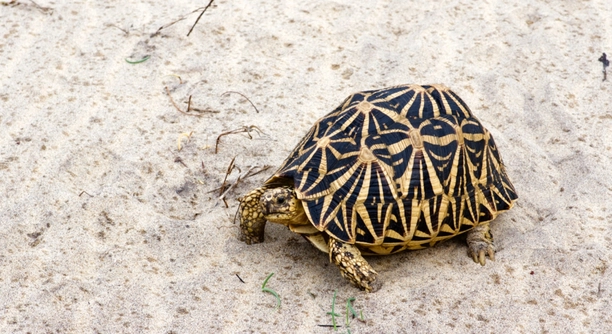
If you own a turtle, you might notice strange white spots appearing on its shell. These spots can raise concerns, especially if you’re unsure of the cause. Understanding why this happens is important for the health of your turtle.
The white spots on a turtle’s shell are commonly caused by fungal or bacterial infections, calcium deposits, or shedding. In some cases, these spots may also be a sign of improper care, like humidity or diet issues.
Keeping your turtle’s habitat in check is key to preventing these issues. By understanding the root causes, you can ensure your turtle stays healthy and happy.
Possible Causes of White Spots on Your Turtle’s Shell
White spots on your turtle’s shell may be caused by various factors, some of which are more common than others. Fungal infections, for example, can lead to white patches that appear to be dry or flaky. These spots may spread over time if not addressed properly. Similarly, bacterial infections might cause spots that look like white patches with a soft, mushy texture. If your turtle’s habitat has high humidity, it could encourage such growth. Additionally, a poor diet lacking in proper vitamins and minerals may affect your turtle’s shell health.
Another reason for white spots is calcium deposits. Calcium is vital for a turtle’s shell and bones, but excess calcium can form visible white spots on the surface. While this may not necessarily indicate a health problem, it could be a sign that the turtle is getting too much calcium or that its diet isn’t balanced.
It’s also possible that your turtle is simply shedding its shell, especially if the spots appear as the shell sheds in patches. During this time, your turtle’s shell might look a bit different as it renews itself.
Addressing Fungal and Bacterial Infections
To treat fungal or bacterial infections, it is essential to clean your turtle’s tank regularly, remove any mold, and make sure the water stays clean and filtered. If the infection continues, consulting a vet is a good idea.
Both fungal and bacterial infections require specific treatments, including antifungal creams or antibiotics that your vet can prescribe. It’s important to avoid self-diagnosing, as the wrong treatment may harm your turtle. Getting the right help ensures the best recovery for your pet.
The Role of Diet and Calcium Intake
Proper nutrition plays a big role in maintaining your turtle’s shell health. If your turtle’s diet lacks the necessary vitamins and minerals, especially calcium, it can result in weak shell growth and the appearance of white spots. Turtles need a balanced diet that includes both animal proteins and plant matter, with a special focus on calcium-rich foods such as leafy greens, fruits, and some commercial turtle pellets designed to meet their needs.
Too much calcium in their diet can also cause white spots, especially if you are supplementing with calcium powder or giving them too much of certain foods. Moderation is key, so it’s important to observe your turtle’s overall condition and adjust its diet as needed.
Shell Shedding and Natural Changes
Shedding is a normal part of a turtle’s life cycle, and it can cause white spots or patches to appear on their shell. These spots often look like dry, flaky patches. It’s essential to remember that shedding is not harmful and will usually resolve on its own once the old layer of shell is shed.
If your turtle is shedding, you’ll likely see it more frequently in warmer months. During this process, your turtle may appear a bit rough around the edges, but as the new layer grows in, the shell will return to normal. Be patient and ensure that the environment is suitable for your turtle to shed naturally.
A good way to support this process is by keeping your turtle’s habitat properly humidified and providing access to basking spots. This helps in the shedding process, ensuring that your turtle’s shell doesn’t become dry or cracked, which could lead to further complications.
Environmental Factors Affecting Shell Health
The health of your turtle’s shell depends heavily on its living conditions. Low humidity levels in the tank can contribute to dry spots on the shell, which might appear as white marks. Ensuring that the tank is kept at the proper temperature and humidity will help prevent these issues. A humidifier or a shallow water dish can help maintain appropriate levels.
Additionally, poor lighting or inadequate basking opportunities can stress your turtle. Turtles need access to both UVB light and warm basking areas to support their shell and bone health. If the lighting or temperature is off, the turtle may not get the proper nutrients it needs, leading to weakened shell growth and visible white spots. Make sure the tank has the proper setup to prevent such problems.
Creating a proper environment for your turtle not only helps in preventing white spots but also contributes to their overall health. Regular monitoring and adjustment of these factors can keep your turtle comfortable and free from shell issues.
When to Seek Veterinary Care
If the white spots on your turtle’s shell don’t improve or seem to be getting worse, it’s important to see a vet. A professional can determine whether the spots are a sign of an infection, calcium imbalance, or another health issue.
Prompt treatment from a vet can prevent more serious complications. They will offer guidance on the best course of action to address the problem, whether that involves medication or changes to your turtle’s environment.
Regular Tank Maintenance
Keeping your turtle’s tank clean is essential for overall health. Regularly cleaning the water and removing waste helps prevent bacterial and fungal growth that can cause white spots. A clean tank also reduces stress for your turtle, which supports better shell health.
Changing the water frequently, checking filtration systems, and cleaning decorations or tank surfaces will help keep your turtle’s habitat in top condition. This reduces the risk of infections and ensures your turtle stays healthy and happy.
Proper Lighting and Basking Conditions
Turtles need UVB lighting to help them process calcium and maintain a healthy shell. If your turtle’s light source is old or inadequate, it may cause issues like weak shell growth or the appearance of white spots. Ensure that the UVB light is replaced every 6 to 12 months for optimal health.
FAQ
What are the common causes of white spots on my turtle’s shell?
White spots on your turtle’s shell can be caused by several factors. Fungal and bacterial infections are some of the most common causes. These can develop if the tank is dirty, the humidity levels are off, or the turtle’s habitat isn’t properly maintained. Another possibility is shedding, where your turtle’s shell might develop white patches as it sheds the old layer. Lastly, excess calcium or a poor diet could lead to calcium deposits on the shell, causing white spots to form.
How can I tell if the white spots are from an infection?
If the white spots have a soft, moist texture, or if your turtle is acting sluggish or not eating, it may be due to an infection. Infections often result in visible symptoms like swelling, redness around the spots, or abnormal behavior. It’s important to consult a vet if the spots persist, change, or if your turtle seems to be unwell. A proper diagnosis will ensure the right treatment.
Can white spots on the shell be caused by shedding?
Yes, shedding is a natural process for turtles, and it can cause white patches or flakes to appear on their shell. This is normal and typically occurs in patches as the turtle’s old outer layer is replaced by new growth. Shedding often happens more frequently during warmer months, but it’s important to maintain the right humidity and temperature to support this process.
How can I prevent white spots from appearing on my turtle’s shell?
To prevent white spots from forming, ensure your turtle’s environment is properly maintained. Keep the tank clean, change the water regularly, and make sure there’s proper filtration. Adjust the humidity levels and make sure the temperature is appropriate for your turtle’s species. A balanced diet with enough calcium and UVB light is also crucial in preventing shell issues.
Is it safe to treat white spots at home?
If the white spots are a result of fungal or bacterial infections, it’s best to avoid home treatments without consulting a vet. Applying the wrong ointment or medication can worsen the situation. If you suspect an infection or the spots don’t go away after cleaning the tank, seek professional veterinary care.
What if the white spots keep spreading?
If the white spots spread or worsen over time, it could indicate a more serious issue like an infection or a calcium imbalance. Infections often spread rapidly if left untreated, so seeing a vet as soon as possible is crucial. The vet will determine the cause and provide treatment to stop the spread and prevent complications.
Should I adjust my turtle’s diet if white spots appear?
Yes, adjusting your turtle’s diet may help if the white spots are related to calcium deposits or a nutritional imbalance. Ensure your turtle is getting the right balance of calcium, vitamins, and minerals, and avoid over-supplementing with calcium. Offering leafy greens, fruits, and properly formulated turtle pellets will help maintain healthy shell growth and overall health.
How can I improve my turtle’s shell health?
Improving your turtle’s shell health involves providing a clean, properly heated, and humidified habitat. Ensure that your turtle gets enough UVB light, as it helps with calcium absorption. A balanced diet rich in calcium and vitamins is essential. Regular vet checkups will also help monitor your turtle’s overall health and prevent issues like white spots.
Can I use any special products to treat white spots?
There are specialized treatments for shell conditions, but they should only be used after consulting a vet. If the white spots are from a fungal or bacterial infection, your vet may recommend topical treatments or antibiotics. Be cautious when using over-the-counter products without professional advice, as some may harm your turtle.
What are the signs that my turtle needs to see a vet?
If your turtle’s white spots are not improving, are spreading, or seem to be affecting its behavior (such as loss of appetite, lethargy, or swollen areas), it’s time to visit a vet. Additionally, if the white spots have an unusual texture or color, or if your turtle has difficulty moving or basking, seek professional care.
Final Thoughts
White spots on your turtle’s shell can be concerning, but they are often manageable with the right care. These spots can appear for several reasons, including fungal infections, bacterial growth, or shedding. While it’s important to keep an eye on any changes in your turtle’s shell, remember that not all white spots are a cause for alarm. Sometimes, they are simply part of the natural shedding process, and with proper care, they will resolve on their own.
However, if the white spots persist, change in appearance, or seem to be affecting your turtle’s behavior, it’s a good idea to seek advice from a vet. Early intervention can prevent the problem from worsening and ensure that your turtle receives the best treatment possible. In some cases, the spots could be linked to an infection or dietary imbalance, both of which can be treated with the right approach. Consulting a vet ensures that you are not only treating the symptoms but addressing the underlying cause of the issue.
Taking steps to maintain a healthy environment for your turtle is crucial in preventing the development of white spots. Regularly cleaning the tank, adjusting the humidity and temperature, and providing proper lighting can all contribute to better shell health. A balanced diet rich in calcium and vitamins will also help your turtle maintain a strong and healthy shell. By staying proactive in monitoring your turtle’s health and making necessary adjustments, you can ensure your pet stays happy and healthy for years to come.

Hello,
If you enjoy the content that we create, please consider saying a "Thank You!" by leaving a tip.
Every little bit helps us continue crafting quality advice that supports the health, happiness, and well-being of pets around the world, for pets of all shapes, sizes, and species.
We really appreciate the kindness and support that you show us!