
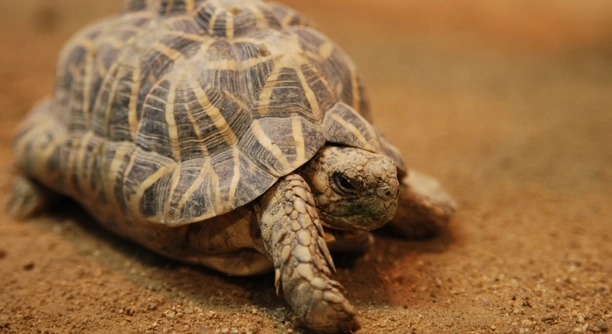
Turtles are fascinating pets, but when they start blinking excessively, it can leave you wondering if something is wrong. Understanding the reasons behind this behavior can help keep your turtle happy and healthy.
Excessive blinking in turtles can be caused by several factors, including environmental conditions, irritation, or even stress. It may also indicate an underlying health issue like an infection or injury, which should be addressed promptly.
There are multiple reasons behind this blinking behavior, and knowing what to look for can help you manage your turtle’s well-being. Understanding the signs can help prevent any potential problems in the future.
Common Causes of Excessive Blinking in Turtles
Excessive blinking can often be traced back to a few main reasons, like dry eyes, irritation, or discomfort. Turtles may blink more when their eyes are exposed to harsh light or dry conditions. This is especially common in tanks with inadequate humidity or improper lighting. Additionally, poor water quality or chemicals can irritate a turtle’s eyes, leading them to blink more frequently. It’s important to pay attention to these environmental factors and make adjustments to avoid causing your turtle any stress or discomfort.
Improper habitat conditions can be a major source of irritation for your turtle’s eyes. Ensuring proper humidity levels and temperature within the tank can help alleviate excessive blinking.
Poor water quality is another factor. It can lead to eye infections, which may cause blinking or squinting. Cleaning the tank and making sure the water is free of harmful chemicals will keep your turtle comfortable and reduce blinking. A proper filtration system is essential for maintaining clean water.
Eye Infections and Irritation
Infections are a common cause of excessive blinking in turtles. Bacterial or fungal infections can affect the eyes, causing inflammation and irritation. These infections are often a result of poor water conditions or an injury. Turtles may blink excessively to try to relieve the discomfort. If you notice swelling around the eyes, discharge, or unusual behavior, it’s important to consult a vet. Treating an infection early on will help prevent serious complications and ensure your turtle’s health is restored quickly.
If left untreated, infections can lead to permanent damage. Regular vet checkups can help prevent these issues.
Stress and Anxiety in Turtles
Stress and anxiety can cause your turtle to blink excessively. Changes in their environment, such as a new tank mate or sudden loud noises, can be overwhelming for them. Turtles are sensitive creatures and need stability in their habitat. Even handling them too often can lead to stress.
To reduce stress, keep their environment consistent. Avoid sudden changes and provide hiding spots where they can feel secure. Keeping a calm, quiet area for your turtle will help them feel at ease, which may reduce unnecessary blinking.
Another way to reduce stress is by ensuring that your turtle has enough space. A cramped tank or too many animals in one space can cause anxiety. This leads to unwanted behaviors, including excessive blinking. Make sure their habitat is properly sized and balanced to avoid crowding.
Proper Lighting and Temperature
Incorrect lighting and temperature can also contribute to excessive blinking. Turtles require both UVB light and warmth for healthy eye function and overall well-being. Without proper lighting, their eyes can become strained, causing blinking or squinting. This is especially common if the turtle’s tank doesn’t have access to natural sunlight or proper UVB bulbs.
Ensure that your turtle’s habitat has a proper heat source to maintain the ideal temperature range for the species. Without the right temperature, your turtle may feel uncomfortable, leading to blinking as a response. Regularly check the lights and heaters to make sure they’re functioning properly. Proper lighting isn’t just crucial for the eyes; it supports their overall health, helping them to absorb nutrients and regulate bodily functions.
Eye Injuries in Turtles
Eye injuries can also be a reason behind excessive blinking. If your turtle has bumped into something or scratched its eye, it may blink more to cope with the pain. Injuries may be hard to notice at first, but observing changes in behavior can help.
If you suspect an injury, gently examine the eyes for signs of redness, swelling, or discharge. An eye injury can become infected if not treated promptly, leading to more blinking and discomfort. Always consult a vet to ensure your turtle gets the proper care.
Foreign Objects in the Eye
Sometimes, debris or foreign objects can get into a turtle’s eye. Small particles of sand, gravel, or plants can irritate the delicate tissues. When this happens, blinking is a way to flush out the irritant.
If blinking persists, it’s best to check if anything is lodged in their eye. Carefully rinse the eye with clean, dechlorinated water to help dislodge the object. If the irritation continues, a vet’s assistance is necessary.
FAQ
Why is my turtle blinking a lot?
Excessive blinking in turtles can be caused by environmental issues, such as improper humidity or lighting, or even poor water quality. It may also indicate eye irritation, stress, or a potential infection. If blinking continues, it’s important to assess the habitat and check for any signs of discomfort or injury. Ensuring the water is clean, the temperature is stable, and the lighting is appropriate can help reduce unnecessary blinking.
Can stress cause my turtle to blink more?
Yes, stress can cause excessive blinking in turtles. Turtles are sensitive creatures, and any changes to their environment, such as new tank mates, loud noises, or frequent handling, can cause anxiety. Stress can lead to blinking as a response to the discomfort. It’s important to keep your turtle’s environment calm and stable to reduce stress levels.
What should I do if my turtle has an eye infection?
If your turtle has an eye infection, you’ll likely notice signs like swelling, discharge, or redness around the eyes. It’s best to consult a veterinarian for proper treatment, as eye infections can worsen without care. You may be prescribed antibiotics or eye drops to help treat the infection. It’s crucial to address infections early to prevent any long-term damage to your turtle’s eyes.
Can poor water quality affect my turtle’s eyes?
Yes, poor water quality can contribute to excessive blinking. Turtles are exposed to the water in their tanks, so if it’s not kept clean, bacteria or chemicals may irritate their eyes. Regular cleaning and using a good filtration system is essential to maintain water quality. Ensure the water is free of chlorine, ammonia, and other harmful substances to keep your turtle healthy and comfortable.
How often should I clean my turtle’s tank?
A turtle’s tank should be cleaned regularly to maintain water quality. Partial water changes should be done at least once a week, and a full tank cleaning is recommended every two to three weeks. Keeping the water clean prevents bacterial growth and eye infections, which could lead to excessive blinking. Additionally, maintaining clean tank conditions supports overall health and well-being for your turtle.
Is it normal for my turtle to blink when it is basking?
It’s not unusual for turtles to blink while basking, especially if they are adjusting to the brightness of the light. However, if the blinking is excessive or seems uncomfortable, it could be a sign that the lighting is too intense or the temperature is incorrect. Make sure that the basking area has a suitable temperature and light intensity for your turtle’s species. If the blinking continues, you may need to adjust the setup.
How do I prevent eye problems in my turtle?
To prevent eye problems, ensure that your turtle’s habitat is clean, with proper water filtration, and humidity levels. Provide appropriate lighting, including UVB bulbs, to promote healthy eye function. It’s also important to avoid rough handling, as this can cause stress or injury. Regularly check your turtle’s eyes for signs of irritation or injury, and address any problems as soon as they arise.
Can I use any eye drops for my turtle?
You should never use human eye drops or medication on your turtle without consulting a veterinarian. Turtles have different eye care needs, and the wrong treatment could cause more harm than good. If you suspect your turtle has an eye problem, take them to the vet for proper diagnosis and treatment. Your vet may recommend specific eye drops or ointments designed for reptiles.
What is the best way to monitor my turtle’s health?
Regular observation is key to monitoring your turtle’s health. Watch for any changes in behavior, such as excessive blinking, lethargy, or difficulty eating. Check their eyes, shell, and skin for signs of irritation or infection. Maintaining a healthy diet, clean water, and a suitable habitat will also help keep your turtle in good health. If you notice anything unusual, don’t hesitate to consult a vet.
Should I be concerned if my turtle blinks after eating?
Blinking after eating is generally not a cause for concern. It’s possible that your turtle is simply adjusting its eyes or trying to clean off any food particles. However, if the blinking continues or is accompanied by signs of discomfort, such as rubbing its eyes or swelling, it may be worth investigating further to ensure there is no irritation or infection.
Can excessive blinking be a sign of dehydration in turtles?
Yes, dehydration can sometimes lead to excessive blinking. If your turtle is not getting enough water or humidity, it may blink more often as a sign of discomfort. Make sure your turtle has access to fresh, clean water at all times, and ensure that the humidity levels in their tank are appropriate for their species. Providing a water dish or a soaking area can also help your turtle stay hydrated.
How do I know if my turtle is getting enough UVB light?
Turtles need UVB light for proper calcium metabolism and overall health. If your turtle is not getting enough UVB light, it may develop eye problems or other health issues. To check if your turtle is getting enough UVB, ensure that the UVB bulb is the correct strength for your turtle’s species and is positioned properly within the tank. The light should be positioned within a few inches of the basking area and replaced regularly, as UVB bulbs lose their effectiveness over time.
Can I prevent eye irritation caused by the filter in my turtle’s tank?
Yes, you can prevent eye irritation by ensuring that the filter is not too strong for your turtle. A filter that creates too much current can cause discomfort, leading to blinking or stress. Choose a filter that is appropriate for the size of your tank and your turtle’s needs. Additionally, avoid placing your turtle’s basking area directly in the path of the filter’s current. Regular maintenance of the filter is also important to avoid any harmful buildup in the water.
Final Thoughts
Excessive blinking in turtles can stem from a variety of causes, and understanding these reasons is crucial for ensuring your turtle’s well-being. It could be something as simple as dry eyes or environmental stress, but it might also point to more serious issues, such as infections or injuries. The first step in addressing excessive blinking is to carefully observe your turtle and assess its living conditions. Pay attention to the humidity, water quality, and lighting in its tank, as these factors can greatly affect your turtle’s health. Making sure your turtle’s environment is stable and comfortable will help reduce stress and prevent potential problems.
If blinking continues or is accompanied by other signs like swelling, discharge, or difficulty opening the eyes, it’s important to seek professional help. A vet can accurately diagnose the problem, whether it’s an eye infection, injury, or something else. While some issues, like environmental factors, can be easily managed, more serious health concerns may require treatment. Early intervention is key to preventing further complications and ensuring your turtle recovers quickly. Don’t hesitate to contact a vet if you’re concerned about your turtle’s health.
Ultimately, keeping your turtle happy and healthy involves regular care and attention. Regular tank maintenance, proper lighting, and ensuring a balanced diet all contribute to your turtle’s overall health. Being mindful of any changes in your turtle’s behavior, such as excessive blinking, will help you catch potential problems early. With the right care and prompt action, you can ensure that your turtle remains a happy and thriving pet for years to come.

Hello,
If you enjoy the content that we create, please consider saying a "Thank You!" by leaving a tip.
Every little bit helps us continue crafting quality advice that supports the health, happiness, and well-being of pets around the world, for pets of all shapes, sizes, and species.
We really appreciate the kindness and support that you show us!