
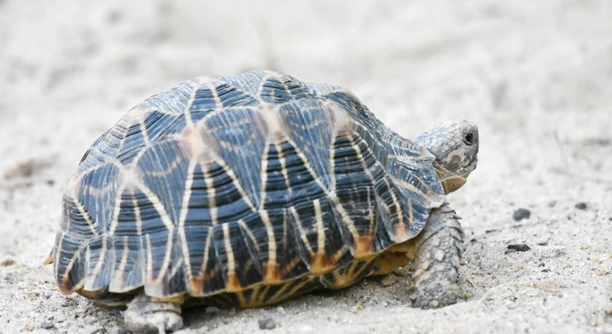
Turtles are fascinating creatures, and it’s essential to keep them healthy with the right diet. Just like any pet, they require proper nutrition to thrive and stay active. But how can you tell if your turtle’s diet is lacking?
If your turtle’s health seems off, it might be time to reassess its diet. Common signs of poor nutrition include weight loss, lethargy, and irregular shell growth. A proper diet can make a significant difference in your turtle’s well-being.
By recognizing the signs of poor nutrition early, you can take steps to improve your turtle’s diet and prevent further issues. Your turtle’s long-term health will thank you for it.
1. Slow or Irregular Movement
If your turtle is moving slower than usual or seems less active, this could be a sign that it’s not getting enough nutrients. Turtles rely on a balanced diet to stay energetic, so poor nutrition might make them sluggish or weak. When they don’t receive the right foods, they lack the energy needed for movement, and this can lead to noticeable changes in their behavior.
A turtle’s diet directly impacts its ability to move and stay active. Poor nutrition leads to muscle weakness and lethargy. Ensure your turtle is eating a variety of food to meet its specific dietary needs, including protein and vegetables.
A good diet keeps your turtle strong and able to roam around its habitat. A mix of leafy greens, occasional protein like insects, and calcium-rich foods can boost its energy levels. Ensure the food is fresh and varied, offering nutrients that support muscle and bone health. If you notice any decrease in activity or slow movements, try adjusting their meals and consult a vet if the problem persists.
2. Soft or Deformed Shell
A soft or deformed shell often indicates that a turtle is not getting enough calcium in its diet. Calcium is essential for a strong, healthy shell. Without it, the shell may become soft, thin, or misshapen, leading to further health issues.
Proper calcium intake can prevent shell deformities. Supplementing their diet with calcium-rich foods like dark leafy greens, and even offering cuttlefish bone, is crucial. A diet lacking in calcium makes a turtle vulnerable to shell problems.
In addition to calcium, ensuring that your turtle gets enough UVB light is just as important for shell health. UVB light helps turtles process calcium, so without it, they may struggle to absorb this essential mineral. Avoid only offering lettuce or foods low in calcium, as they won’t provide the necessary support for your turtle’s shell. Be sure to balance their diet with a proper mix of greens, protein, and other sources of calcium to promote shell growth and strength. If the soft shell condition persists, it may be necessary to consult a vet for more advice.
3. Lack of Appetite
If your turtle isn’t eating its meals, it’s likely something’s wrong with its diet or health. Turtles typically have a good appetite, so a sudden lack of interest in food is a clear sign that something’s off. This could be caused by poor food variety, an unbalanced diet, or even stress.
A turtle’s lack of appetite often indicates that the food isn’t appealing or nutritious enough. If they aren’t getting the right nutrients, they might refuse to eat. Make sure you offer a balanced diet of vegetables, protein, and occasional fruits. Experiment with different types of food to see what your turtle prefers. It may also help to feed them at the same time each day, as consistency can encourage eating.
If your turtle’s appetite doesn’t return after changing the diet or providing a more appealing menu, it’s time to consult a vet. Turtles can also refuse food due to stress or illness, so ensuring a proper environment and diet is vital to getting them back on track.
4. Weight Loss or Overweight
Turtles can become unhealthy if they lose too much weight or gain too much. Both weight loss and obesity are signs of a poor diet. A turtle losing weight could be struggling with insufficient food, while an overweight turtle may be eating too much or the wrong types of food.
If your turtle is losing weight, it’s possible they’re not receiving enough calories or nutrients. This can lead to weakened immune systems and other health problems. Ensure that their diet is varied and appropriately sized. Sometimes, too much protein or not enough greens can result in weight loss. Adjusting the food balance should help.
An overweight turtle usually eats excessive protein or high-fat foods. Avoid overfeeding them with fatty treats like mealworms or too many sugary fruits. A balanced diet of leafy greens, vegetables, and occasional protein sources should keep your turtle at a healthy weight. If your turtle shows signs of being overweight or underweight, seek professional advice for further guidance.
5. Skin Problems
Turtles with dry, flaky, or discolored skin might be experiencing poor nutrition. Healthy skin relies on the proper balance of vitamins and nutrients, including vitamin A. Without these, your turtle’s skin could show visible signs of stress.
A lack of vitamin A can lead to shedding, dry patches, or abnormal skin coloration. Make sure your turtle’s diet includes plenty of dark leafy greens like kale and collard greens, which are high in vitamin A. Offer a varied diet to ensure your turtle is getting all the nutrients it needs. If the skin issues persist, a visit to the vet is recommended.
6. Difficulty Shedding
When a turtle struggles to shed its skin or scutes (the plates on its shell), it could be linked to a poor diet. This can result from a lack of proper nutrition, particularly vitamins and minerals that support healthy shedding.
A diet that lacks essential nutrients like vitamin A, calcium, or other vitamins can cause your turtle’s skin and shell to shed improperly. It’s important to ensure they get a mix of greens, fruits, and proteins. Calcium supplements can also be beneficial, especially for older turtles. Adjusting their diet can help resolve this issue.
7. Changes in Behavior
If your turtle’s behavior changes, such as becoming more aggressive or withdrawn, its diet might be the cause. An unbalanced diet can lead to stress, irritability, and mood swings in turtles.
A lack of proper nutrition may cause stress, leading to behavioral changes. Poor diet affects your turtle’s energy levels and overall health, which can make it more prone to acting out. Ensuring your turtle gets the right mix of food should improve its behavior, reducing the risk of stress-related issues.
FAQ
What should I feed my turtle to ensure a balanced diet?
Turtles need a variety of food to meet their nutritional needs. Offer a mix of dark leafy greens like kale, collard greens, and dandelion leaves. You should also feed them occasional fruits like strawberries, apples, or melon. Protein sources such as mealworms, crickets, and shrimp should be given a few times a week. Additionally, provide calcium-rich foods like cuttlefish bone or calcium powder to support shell and bone health. Always remember to feed them in proper portions and avoid overfeeding high-fat or sugary foods.
How often should I feed my turtle?
Turtles should be fed every day, especially when they are young and still growing. Once they are adults, you can reduce feeding to every other day or even a few times a week, depending on the species. Keep an eye on their weight and health to adjust the feeding schedule as needed. Overfeeding can lead to obesity, while underfeeding can cause malnutrition.
Can I feed my turtle only vegetables?
While vegetables are essential, turtles need more than just greens. A diet that consists solely of vegetables can lead to deficiencies in protein and other nutrients. It’s important to offer a balance of vegetables, fruits, and animal protein sources like insects or fish. This combination helps maintain your turtle’s overall health.
Can turtles eat fruit every day?
Fruit should be offered to turtles in moderation. Fruits are high in sugars, and while they provide vitamins and hydration, feeding them daily can lead to weight gain or digestive issues. Limit fruit to a small portion once or twice a week. Some good options include berries, melon, and papaya.
Why does my turtle seem uninterested in food?
If your turtle isn’t eating, it may be due to an unappealing diet or an underlying health issue. Turtles are picky eaters, and if the food is not fresh or varied enough, they may refuse it. Try offering different types of food and ensure they are getting the right nutrients. If your turtle continues to avoid food, check their habitat conditions (like water temperature or lighting) and consider a vet visit if no improvement is seen.
How can I tell if my turtle is getting enough calcium?
Calcium is crucial for a turtle’s shell and bone health. Signs that your turtle may not be getting enough calcium include soft or deformed shells, difficulty in shedding, or lethargy. To make sure your turtle gets enough calcium, offer calcium-rich foods such as dark leafy greens, and consider using calcium supplements like cuttlefish bone or calcium powder. Regular exposure to UVB light is also necessary for proper calcium absorption.
Can I feed my turtle commercial pellets?
Commercial turtle pellets can be part of a healthy diet, but they shouldn’t be the only food you provide. Pellets are formulated to provide the essential nutrients, but they lack variety and can lead to nutritional imbalances if fed exclusively. Use them as a supplement, alongside fresh vegetables, protein, and other food sources, to keep your turtle’s diet balanced.
How do I know if my turtle is overweight?
An overweight turtle may have difficulty moving, and its body may appear more rounded than usual. Check the shell’s width and compare it to the size of the legs and head. If the shell appears too wide or the turtle struggles to get around, it’s likely carrying excess weight. Adjust their diet by reducing high-fat foods and ensuring a balanced intake of greens and protein. Make sure your turtle also gets enough exercise in its habitat.
Should I give my turtle treats?
Treats should only be given occasionally. High-fat foods like mealworms, shrimp, and fruit should not make up the majority of a turtle’s diet. Instead, use treats to supplement their regular meals, making sure they are balanced with healthy foods like vegetables. Keep treats to a small amount, and avoid offering them too often to prevent obesity.
Can turtles eat aquatic plants?
Yes, aquatic plants can be a healthy addition to your turtle’s diet. Many turtles eat a variety of aquatic plants in the wild, so including them in your tank is a great way to mimic their natural feeding habits. Plants like water lettuce, water hyacinth, and duckweed can provide additional nutrients, fiber, and variety to their meals. Just make sure the plants are free from pesticides and chemicals before offering them to your turtle.
What if my turtle is not getting enough UVB light?
UVB light is essential for a turtle’s calcium absorption, and without it, your turtle could develop metabolic bone disease, soft shells, and weakened bones. Make sure your turtle has access to UVB light for about 10-12 hours a day. If your turtle is indoors, you may need a UVB bulb designed specifically for reptiles. It’s also important to replace UVB bulbs every six months, as their effectiveness diminishes over time.
Can I feed my turtle live animals?
Yes, many turtles eat live animals in the wild, such as insects, small fish, or even worms. Live animals can be a good source of protein and help mimic their natural diet. However, be cautious when offering live animals. Make sure they are free from parasites or chemicals, and only feed them occasionally to avoid an imbalance in their diet. Avoid feeding live animals that are too large or too difficult for your turtle to handle.
Is it safe to feed my turtle worms?
Worms can be a good protein source for turtles and are generally safe if fed in moderation. Offer earthworms, red worms, or other appropriate species. Avoid feeding wild-caught worms, as they could carry parasites or harmful chemicals. Be sure to wash the worms thoroughly and ensure they are free of dirt and pesticides before feeding.
What should I do if my turtle keeps shedding skin?
Shedding is a natural process for turtles, but if it seems excessive or uneven, it may indicate a diet problem. Ensure that your turtle is getting enough vitamin A, calcium, and other nutrients. Lack of these essential nutrients can affect skin health and shedding. If the shedding persists, consult a vet to rule out health problems.
How can I prevent my turtle from becoming dehydrated?
Hydration is crucial for your turtle’s overall health. Always make sure your turtle has access to fresh, clean water. If your turtle is showing signs of dehydration, like sunken eyes or lethargy, consider soaking them in warm water for 15-20 minutes. You can also add moisture-rich vegetables like cucumber or watermelon to their diet to help keep them hydrated.
Final Thoughts
Maintaining a healthy diet for your turtle is key to ensuring it lives a long and happy life. Just like any pet, turtles rely on a balanced diet to stay active and strong. Providing them with a variety of fresh, nutritious foods is essential for their overall health. By offering the right combination of leafy greens, protein, and calcium, you help support their growth, shell health, and immune system. Keeping their habitat clean and making sure they get the right amount of UVB light will also play a big part in their well-being.
It’s important to observe your turtle regularly to catch any signs of dietary issues early. If you notice changes in behavior, appetite, or movement, these could be signs that something’s off with their diet. For example, if they are not eating properly, have a soft shell, or seem more lethargic than usual, it’s a sign that they may not be getting the nutrients they need. In such cases, adjusting their food intake or seeking advice from a vet can help. Keep in mind that some turtles have specific dietary needs, so understanding your turtle’s species can guide you in providing the best diet for them.
A healthy turtle diet isn’t just about providing food, but also about offering it in the right amounts and at the right times. Overfeeding can lead to obesity, while underfeeding can cause malnutrition. By maintaining a proper feeding schedule and offering a variety of foods, you can keep your turtle’s diet balanced and enjoyable. Don’t forget to monitor their weight, behavior, and physical condition, as these can be good indicators of whether or not their diet needs to be adjusted. Proper care, attention, and diet will help your turtle live a healthy, happy life for many years to come.

Hello,
If you enjoy the content that we create, please consider saying a "Thank You!" by leaving a tip.
Every little bit helps us continue crafting quality advice that supports the health, happiness, and well-being of pets around the world, for pets of all shapes, sizes, and species.
We really appreciate the kindness and support that you show us!