
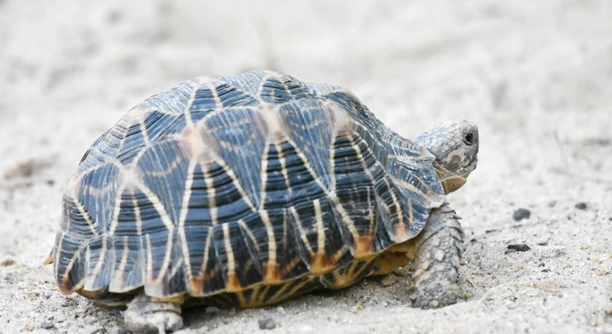
Turtles are fascinating pets, but sometimes their behavior can leave us wondering what’s going on. If you’ve noticed your turtle flicking water out of its tank, you’re not alone. This curious action can have several causes.
Turtles often flick water out of their tank as a natural behavior linked to stress, communication, or habitat cleaning. They may also do this when they’re trying to adjust their surroundings or if they feel disturbed by their environment.
Understanding why this happens will help you manage your turtle’s tank and ensure it stays comfortable. Knowing what triggers this behavior allows for better care and a happier, healthier turtle.
Why Do Turtles Flick Water?
Turtles flick water for various reasons, with the main one being their instinctual need to keep their habitat clean. When a turtle flicks water, it may be trying to remove debris or excess water from its surroundings. In the wild, turtles often use water to clean themselves, and in captivity, this behavior might be a way to maintain their space. This action can also be linked to their natural way of marking territory or communicating with others. It’s important to remember that this is a normal behavior for many turtles, though it might seem strange to us.
Some turtles also flick water as a sign of discomfort or stress. If their environment isn’t to their liking, like a tank that is too small or too noisy, they might engage in this behavior to express dissatisfaction.
In other cases, turtles may flick water as part of their feeding habits. They may use their forelimbs or mouths to stir up water in search of food or to create a cleaner space to feed. This is typical behavior for many species, especially in their natural habitat. While it might seem like a random action, it’s just part of their daily routine.
Stress and Discomfort
Turtles often flick water when they’re feeling stressed or uncomfortable. Changes in their environment, such as a noisy room or an unfamiliar tank, can trigger this behavior.
If your turtle is flicking water excessively, it might be reacting to stressors like overcrowding, poor water quality, or a tank that’s too small. Turtles can be sensitive to changes in their habitat. It’s essential to provide a calm and stable environment. Ensure the tank has clean water, enough space, and proper lighting. Stress can also be caused by improper temperature, which affects their overall health.
Turtles can become stressed for many reasons, but with the right environment, you can help them feel more secure. If your turtle is flicking water, it’s a sign that it needs more comfort and stability. Check for changes in their living conditions that might be contributing to their anxiety. Addressing these factors can help your turtle relax and reduce this behavior.
Tank Maintenance
If the water in your turtle’s tank isn’t being maintained properly, it can lead to flicking. Dirty water often causes discomfort for your turtle, making it try to “clean” its surroundings.
Turtles are naturally messy creatures, and they need a clean tank to stay healthy. If water quality is poor, it can lead to health problems like shell rot or skin infections. Regular water changes, proper filtration, and monitoring of water temperature and pH are essential to keeping the tank in good condition. A well-maintained tank encourages a comfortable and safe environment for your turtle, reducing unnecessary stress and water flicking.
Turtles thrive in tanks with appropriate filtration systems and regular maintenance. In addition to cleaning, make sure the tank has a proper balance of light and warmth. Keeping the water fresh and safe not only prevents flicking but also promotes your turtle’s overall well-being. Regular upkeep is a simple yet effective way to ensure your pet’s comfort.
Water Temperature
Water temperature is another important factor that can cause your turtle to flick water. If the water is too hot or too cold, it can make your turtle uncomfortable.
Turtles are cold-blooded, so the water temperature affects their health and behavior. The ideal temperature for most species is between 75-80°F. If the water falls outside this range, it can stress your turtle, leading to water flicking as they try to adjust their environment.
Properly maintaining the water temperature can prevent this behavior and help your turtle stay active and healthy. A reliable aquarium heater and thermometer will ensure the water stays in the right range.
Tank Size
A small tank can contribute to your turtle flicking water. When a turtle feels cramped, it may engage in this behavior to show its discomfort.
Turtles need enough space to swim freely and explore their surroundings. If the tank is too small, your turtle may feel stressed, and flicking water could be a sign of frustration. Ensuring your turtle has adequate space is crucial for both its well-being and your own peace of mind.
Basking Spot
A proper basking spot is essential for your turtle. Without one, it may become stressed and flick water.
Turtles need to bask in a dry, warm area to regulate their body temperature. If they don’t have access to an appropriate basking spot, they might try to adjust their tank by flicking water. Ensure there’s a safe, dry place with the right lighting for your turtle to rest.
FAQ
Why does my turtle keep flicking water out of its tank?
Turtles flick water for several reasons, but most commonly, it’s due to stress, discomfort, or the need to clean their environment. If your turtle is flicking water frequently, check the tank conditions. It could be a sign of dirty water, overcrowding, or improper temperature. Some turtles also flick water to mark their territory or as part of natural feeding behavior. Addressing the tank’s cleanliness, temperature, and size can help minimize this action.
Is it normal for my turtle to flick water every time I feed it?
Yes, it’s common for turtles to flick water while feeding. They may be trying to stir up food or clean the space around them. In the wild, turtles often search through water for food, and in a tank, they may exhibit similar behaviors. While this is a natural action, make sure the tank is large enough to allow free movement and that water quality is maintained.
How can I stop my turtle from flicking water out of its tank?
To reduce the water flicking, ensure that your turtle’s habitat is stress-free. Provide a proper tank size, keep the water clean, and maintain the right water temperature. Adding hiding spots and basking areas can also make your turtle feel more secure. Sometimes, behavioral adjustments like adding more space or cleaning the tank more often can help prevent this.
What tank size does my turtle need to stop flicking water?
A tank that’s too small can make your turtle feel confined and stressed, which might lead to more water flicking. As a rule of thumb, provide at least 10 gallons of water per inch of your turtle’s shell length. A larger tank gives your turtle more space to swim and reduces stress, which might decrease the flicking behavior.
Can water quality affect my turtle’s behavior?
Yes, poor water quality is a common cause of water flicking. Turtles are sensitive to changes in water conditions. Dirty water can irritate their skin and eyes, making them try to clean or adjust their environment. It’s important to clean the tank regularly and use a good filtration system to ensure the water stays clean and safe for your turtle.
How can I keep my turtle’s water temperature at the right level?
Maintaining the right water temperature is crucial for your turtle’s health and comfort. The ideal range for most turtles is between 75-80°F. Use an aquarium thermometer to monitor the water temperature and an appropriate heater to maintain consistency. Make sure the water isn’t too cold or too hot, as this can cause stress, leading to water flicking.
Is flicking water a sign of illness in turtles?
Flicking water is not typically a sign of illness. It’s usually a behavioral response to their environment. However, if your turtle shows other symptoms like lethargy, lack of appetite, or unusual behavior, it’s a good idea to check for signs of illness. Regularly monitor the water conditions and ensure the turtle is fed properly to keep it healthy.
Does flicking water indicate boredom in turtles?
While flicking water might sometimes seem like an attempt to entertain itself, it’s more commonly tied to stress, territorial behavior, or environmental conditions. However, if your turtle seems bored or overly active, it might benefit from more stimulation. Try adding new elements to the tank, such as plants, rocks, or even tankmates, to give it more things to explore.
How often should I clean my turtle’s tank to prevent excessive water flicking?
You should clean your turtle’s tank regularly to prevent water flicking caused by dirty conditions. A good rule of thumb is to change about 25% of the water every week and do a full cleaning (including filter maintenance) every month. Keeping the tank clean helps maintain a healthy environment, which reduces stress and flicking behavior.
What are some signs that my turtle is stressed and flicking water?
Signs of stress in turtles include flicking water, excessive hiding, swimming in circles, or a lack of appetite. If you notice these behaviors alongside water flicking, check for potential stressors like overcrowding, poor water quality, or changes in the environment. Addressing these issues can help calm your turtle and reduce flicking.
Final Thoughts
Turtles are fascinating creatures with unique behaviors that can sometimes be puzzling, such as flicking water out of their tank. While this behavior might seem strange, it’s often a natural response to changes in their environment or their way of adjusting the water around them. Whether it’s a result of stress, discomfort, or just cleaning their space, it’s important to understand the underlying causes. Observing your turtle closely can give you clues as to why it might be flicking water, helping you address any issues it may be facing.
Maintaining the right environment for your turtle is key to keeping them happy and healthy. A clean tank, proper water temperature, adequate space, and a safe basking area all play significant roles in preventing stress and discomfort. Regular tank maintenance and keeping the water quality high are essential for your turtle’s well-being. By paying attention to these factors, you can help reduce the chances of your turtle flicking water and ensure that it lives a comfortable life in its habitat.
Understanding your turtle’s behavior goes beyond just addressing water flicking. It’s about creating an environment where your turtle can thrive. Stress, discomfort, and poor living conditions can affect not just water flicking but your turtle’s overall health and happiness. By ensuring their tank is large enough, water quality is maintained, and the temperature is just right, you provide them with the best chance at a happy life. With the right care and attention, your turtle can enjoy its time in the tank, leaving behind the need to flick water out as a way to cope.

Hello,
If you enjoy the content that we create, please consider saying a "Thank You!" by leaving a tip.
Every little bit helps us continue crafting quality advice that supports the health, happiness, and well-being of pets around the world, for pets of all shapes, sizes, and species.
We really appreciate the kindness and support that you show us!