
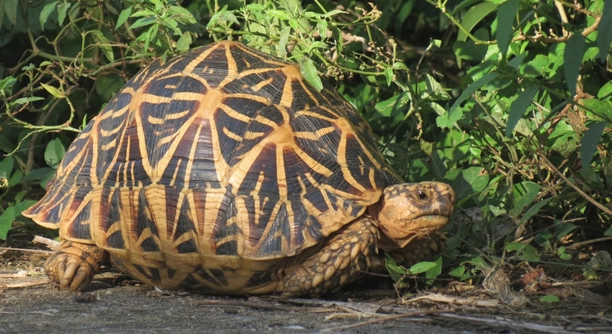
Turtles are fascinating creatures, but when you notice that your turtle’s skin looks wrinkled, it can be concerning. Understanding the reasons behind this can help you ensure your turtle remains healthy and comfortable in its environment.
Wrinkled skin in turtles can be caused by factors such as dehydration, shedding, poor diet, or even environmental stress. It is important to monitor water quality, humidity, and overall care to maintain your turtle’s health and prevent skin issues.
Taking the right steps to address these causes will improve your turtle’s well-being and help you maintain a healthy, happy pet.
Dehydration and Its Impact on Your Turtle’s Skin
Dehydration is one of the most common reasons for wrinkled skin in turtles. If your turtle isn’t getting enough water, its skin will show signs of dryness and sagging. In the wild, turtles typically absorb moisture through their environment, especially in aquatic settings. If the water temperature or humidity in their enclosure is too low, it can lead to dehydration. Turtles also need access to clean water to drink from, which will help them stay hydrated. Without proper hydration, their skin loses its elasticity and appears wrinkled.
To avoid dehydration, ensure that your turtle’s habitat is consistently warm and that they have access to clean water. Using a humidity gauge and water heater can help maintain an optimal environment. If you notice any signs of dehydration, consider offering a warm water bath to rehydrate your turtle.
Regularly monitor your turtle’s water quality and make adjustments to the temperature and humidity as needed. Providing a consistent, healthy environment will prevent skin issues and keep your turtle feeling its best.
Shedding Process
Turtles shed their skin periodically, and this can cause temporary wrinkles. As they grow, the outer layer of skin must be replaced. During this process, it’s common for some turtles to appear wrinkled or rough around the edges. However, shedding is natural and not usually a cause for concern unless it’s excessive or uneven.
If your turtle’s skin doesn’t shed properly or retains old skin, this could indicate that the environment needs improvement. Turtles require adequate humidity to help with the shedding process. Lack of moisture can prevent them from shedding their skin effectively, which could lead to uncomfortable skin buildup. Keep an eye on your turtle’s activity level and look for any skin patches that haven’t shed properly. You may need to adjust the humidity or water quality to help them shed more comfortably.
Poor Diet and Nutritional Deficiencies
A poor diet can significantly affect your turtle’s skin, leading to wrinkles or dryness. If your turtle isn’t receiving a balanced diet, it can result in dehydration, weakened skin, and other health problems. Turtles require a varied diet, including leafy greens, vegetables, protein sources like insects or fish, and calcium-rich foods. Without proper nutrition, their skin may appear saggy or wrinkled due to a lack of essential nutrients.
Make sure you provide a balanced and varied diet to your turtle, avoiding too much processed food or one type of food. If your turtle lacks important nutrients, consider adding supplements to their diet. Calcium is especially vital for shell and skin health, so be sure to include foods high in calcium. Regularly monitor your turtle’s diet and make adjustments to meet their needs. Proper nutrition plays a key role in maintaining healthy skin.
Environmental Stress
Environmental stress is another factor that can cause your turtle’s skin to wrinkle. Stress can arise from various factors, such as improper tank conditions, loud noises, or overcrowding with other turtles. When your turtle experiences stress, it can affect their overall health, including their skin. Prolonged stress can even lead to more serious health issues if left unaddressed.
To reduce stress in your turtle’s environment, provide a calm, quiet space with appropriate tank size and temperature. Ensure they have enough hiding spots or basking areas, as these areas allow them to relax. If multiple turtles share a tank, check for any signs of aggression or competition. If your turtle seems overly stressed, try changing its environment to reduce stressors and create a more peaceful habitat.
Overexposure to Sunlight
Excessive exposure to sunlight can also cause wrinkled skin in turtles. While sunlight is essential for vitamin D3 production, too much can dry out their skin, especially if they don’t have access to shade. This can lead to dehydration and skin damage.
Ensure your turtle has access to both sunlight and shaded areas in its habitat. Overheating or excessive UV exposure can cause harm. Try balancing natural sunlight with shaded spots in the enclosure to keep them comfortable and prevent skin damage. Proper care will help regulate their temperature and prevent skin issues.
Infection or Skin Diseases
Infections or skin diseases can cause turtles to develop wrinkled or inflamed skin. If your turtle’s skin appears discolored, inflamed, or has sores, it may be suffering from an infection. These can happen due to poor water quality, injury, or bacteria.
If you suspect an infection, it’s crucial to seek veterinary advice. Proper cleaning and maintaining water quality are essential to prevent infections. Regularly check for signs of illness, such as lethargy or abnormal skin growths. Immediate treatment can help prevent the spread of infection and protect your turtle’s overall health.
Poor Water Quality
Dirty or stagnant water can lead to skin problems in turtles, including wrinkling. Poor water quality can cause irritations or bacterial infections that affect their skin. It’s essential to regularly clean the tank and change the water to ensure it’s free from harmful toxins.
Investing in a good filtration system and checking water parameters like pH, ammonia, and temperature is crucial. Without proper water quality, turtles can experience skin issues like wrinkling or even more severe health problems. Regular maintenance of their tank and water will keep your turtle’s skin healthy and free from irritation.
FAQ
What should I do if my turtle’s skin looks wrinkled?
If you notice that your turtle’s skin appears wrinkled, it’s important to first check its environment and diet. Make sure the tank’s temperature and humidity levels are within the proper range, and that your turtle is receiving a balanced diet. Offering a warm water bath can help hydrate your turtle. If the wrinkling persists, consider consulting a veterinarian to rule out any potential health issues.
Can wrinkled skin be a sign of dehydration in turtles?
Yes, wrinkled skin in turtles can often indicate dehydration. Turtles need access to clean water for drinking and bathing, and a lack of hydration can cause their skin to lose elasticity. To address dehydration, ensure that your turtle has access to both clean drinking water and a suitable aquatic environment. If the issue doesn’t improve, a warm water bath can help rehydrate your turtle.
How do I know if my turtle’s skin shedding is normal?
Shedding is a natural process for turtles, but if your turtle’s skin is excessively wrinkled or has patches of retained skin, this could indicate an issue. Normally, shedding should be gradual, with your turtle’s skin appearing slightly wrinkled but not severely damaged. If you notice uneven shedding or patches of skin that aren’t coming off, adjust the humidity in their environment or offer a warm water bath to help with the process.
What are the signs of a skin infection in turtles?
Skin infections in turtles can be identified by swollen, discolored, or inflamed patches on the skin. The skin may appear red or have a mucous-like discharge. Infected turtles may also display signs of lethargy or loss of appetite. If you suspect an infection, it’s essential to consult a veterinarian for treatment, as bacterial or fungal infections can worsen without proper care.
Can stress cause wrinkled skin in turtles?
Yes, stress can lead to wrinkled skin in turtles. When turtles experience stress from factors such as improper tank conditions, overcrowding, or loud noises, their overall health can suffer. Stress can impact their skin, making it appear dry or wrinkled. To minimize stress, create a calm environment with adequate space, temperature control, and hiding areas for your turtle to retreat to when needed.
What’s the role of humidity in preventing wrinkled skin in turtles?
Humidity plays a key role in preventing wrinkled skin in turtles. Insufficient humidity can cause dehydration, which in turn affects the skin. Turtles, particularly those that live in aquatic environments, require a specific level of humidity to keep their skin moist and healthy. Using a humidity gauge in their tank and maintaining proper humidity levels will help prevent dehydration and skin issues.
Is it normal for my turtle’s skin to be wrinkled when it’s shedding?
Yes, it is normal for a turtle’s skin to be slightly wrinkled during the shedding process. As old skin is discarded, it may appear dry and wrinkled for a short period. This is a natural part of the shedding cycle. However, if the wrinkling persists or becomes severe, it may indicate dehydration or another underlying issue that needs attention.
How can I help my turtle if its skin looks dry or flaky?
If your turtle’s skin looks dry or flaky, it may be a sign that it’s not getting enough hydration or proper nutrition. Ensure that your turtle has access to clean, fresh water and is receiving a well-balanced diet that includes calcium and other necessary nutrients. You can also try offering your turtle a warm water bath to help hydrate its skin. If the issue doesn’t improve, consult a veterinarian for advice.
Can poor water quality cause wrinkled skin in turtles?
Poor water quality can lead to a variety of health issues, including wrinkled skin. Dirty or stagnant water can irritate your turtle’s skin, potentially leading to dryness, infection, or even shedding issues. Regularly clean the tank and ensure that the water parameters, such as pH and temperature, are in the optimal range for your turtle’s species. Good water quality is crucial for keeping your turtle’s skin healthy and preventing any related issues.
How often should I change the water in my turtle’s tank?
Water changes should be done regularly to maintain clean and healthy conditions for your turtle. Depending on the size of your turtle and the size of the tank, it’s recommended to change 25-50% of the water once a week. In larger tanks or those with efficient filtration systems, water changes may be less frequent. Always monitor the water’s quality and adjust the change schedule if needed.
Can sun exposure cause wrinkled skin in turtles?
Excessive sun exposure can lead to dry, wrinkled skin in turtles. While UV light is essential for their health, overexposure to direct sunlight can cause dehydration and skin damage. Ensure your turtle has access to both sunlight and shaded areas in its habitat to prevent overheating and skin issues. Balancing sun exposure with cooling areas in the tank will help keep your turtle’s skin healthy.
What are the best foods to prevent wrinkled skin in turtles?
A well-balanced diet is essential for preventing wrinkled skin in turtles. Foods rich in calcium, such as dark leafy greens, are important for maintaining healthy skin and shells. Protein sources like insects, fish, or specialized turtle pellets also support overall health. Make sure your turtle gets a varied diet that meets its nutritional needs to prevent skin issues. Supplementing with calcium and vitamin D can also be beneficial.
Final Thoughts
Turtles are resilient animals, but they do require proper care to stay healthy. If you notice your turtle’s skin appearing wrinkled, it’s important to assess their environment and lifestyle. Factors such as humidity, water quality, diet, and exposure to sunlight all play a role in maintaining healthy skin. Ensuring that your turtle has access to clean water, proper temperature, and a balanced diet can prevent skin issues from arising. Wrinkled skin can be a sign of dehydration or stress, so addressing these factors early can help avoid more serious problems down the road.
In some cases, wrinkling may be a natural part of the shedding process, which is normal for turtles. However, if the wrinkling is persistent or accompanied by other symptoms, such as discoloration or sores, it may indicate an underlying issue such as an infection or poor water quality. Monitoring your turtle closely for any changes in behavior or appearance will allow you to respond to potential problems promptly. If necessary, consult with a veterinarian who specializes in reptiles to ensure your turtle gets the care it needs.
Overall, the key to preventing wrinkled skin in turtles is to provide a stable and healthy environment. Regular maintenance of the tank, proper hydration, and a balanced diet are all crucial for your turtle’s well-being. While occasional wrinkling can happen, consistent care and attention to your turtle’s needs will help prevent most skin issues. Keeping an eye on their overall health and responding to signs of trouble early will ensure your turtle remains comfortable and happy.

Hello,
If you enjoy the content that we create, please consider saying a "Thank You!" by leaving a tip.
Every little bit helps us continue crafting quality advice that supports the health, happiness, and well-being of pets around the world, for pets of all shapes, sizes, and species.
We really appreciate the kindness and support that you show us!