
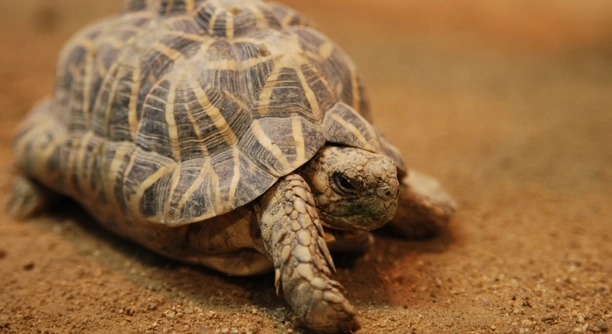
If you have a pet turtle, you may notice that its water often appears cloudy. This is a common issue for turtle owners. It can be frustrating to deal with, but understanding the cause is the first step toward finding a solution.
Cloudy water in a turtle’s tank is primarily caused by an overgrowth of bacteria, which thrive in the warm, nutrient-rich environment of the tank. Uneaten food, waste, and insufficient filtration contribute to this issue. Regular cleaning and proper filtration can help reduce cloudiness.
By understanding the factors that cause cloudy water, you can take steps to ensure your turtle’s habitat stays clean and healthy. Keep reading to learn how to resolve this issue and improve the water quality for your pet.
Common Causes of Cloudy Water in Your Turtle’s Tank
Cloudy water in a turtle’s tank can result from a few different issues. One of the main causes is the accumulation of excess nutrients, such as uneaten food or turtle waste. These nutrients provide food for bacteria, which grow rapidly in warm, stagnant water. When this happens, the water can turn cloudy and murky. Another factor is an inefficient filtration system. If the filter is too small for the tank size or hasn’t been cleaned in a while, it may not be able to keep up with the waste. Overfeeding can also contribute to cloudy water, as uneaten food decomposes in the water.
To avoid these issues, keep the tank clean by performing regular water changes and removing any leftover food. Make sure your filtration system is properly sized for your tank. It’s also important to avoid overfeeding your turtle, as it will not only cause cloudy water but can also harm its health.
Maintaining a healthy and clean tank is essential for your turtle’s well-being. Regular cleaning and appropriate feeding habits will help keep the water clear and your turtle happy.
Solutions for Clear Water in a Turtle Tank
If your turtle’s tank water is constantly cloudy, you can take a few steps to improve the situation. First, assess the filtration system. It should be powerful enough to handle the tank’s size, ensuring that debris and waste are effectively removed from the water. Regular cleaning is also crucial, so make sure to clean the tank and the filter at least once a week.
You can also improve the water clarity by reducing the amount of food you feed your turtle. Consider switching to a feeding schedule that ensures your turtle consumes its food quickly, leaving less waste behind. Additionally, using a water clarifier can help remove the bacteria causing cloudiness, but it should not replace proper tank maintenance. Keeping the tank well-maintained will help prevent future water quality problems.
Regular maintenance, a suitable filter, and careful feeding will go a long way in ensuring that your turtle’s water remains clean and clear.
Overfeeding and Its Impact on Water Quality
Overfeeding your turtle is one of the main reasons for cloudy water. When your turtle consumes more food than it can eat, the leftover food starts to decompose in the water. This adds extra nutrients that fuel the growth of harmful bacteria. The bacteria thrive in the tank, leading to murky water. Overfeeding can also lead to health issues for your turtle, as the uneaten food may rot and create excess waste, which affects the overall water quality.
To avoid this, monitor your turtle’s feeding schedule closely. Ensure you only provide enough food for your turtle to eat within a few minutes. Remove any leftover food immediately to prevent it from decaying in the water. You can feed your turtle once or twice a day, depending on its size and age. Over time, sticking to a proper feeding routine will help reduce cloudy water and keep your turtle healthy.
Regularly cleaning the tank and adjusting the feeding amounts are essential for maintaining water quality. Consistency in feeding will help prevent the growth of bacteria that lead to cloudy water.
Importance of Proper Filtration
A good filtration system is crucial in keeping your turtle’s water clear. If the filter isn’t working properly, debris and waste from the turtle can build up quickly. This leads to cloudy water and unhealthy conditions for your pet. It’s important to choose a filter that matches the size of your tank and the number of turtles you have. A filter that is too weak will struggle to keep the water clean, while a filter that is too strong may cause current issues.
Check the filter regularly to ensure it is functioning well. If the water remains cloudy despite proper filtration, you may need to upgrade to a more powerful system. Consider using a mechanical, biological, and chemical filter to tackle different types of waste. A good filtration system helps keep the water clear, providing a healthier environment for your turtle.
Along with filtration, make sure the filter is cleaned regularly. Clogged or dirty filters can lose their effectiveness, leading to cloudy water.
Water Changes and Tank Cleaning
Regular water changes are key to keeping your turtle’s water clear. If the water isn’t changed frequently, waste and excess nutrients will build up. This leads to bacteria growth, which causes cloudiness. Changing about 25% of the water every week helps maintain clean, clear water.
In addition to water changes, regularly clean the tank and its accessories. Remove any waste, algae, or uneaten food from the substrate and decorations. Make sure to scrub the tank glass to remove any buildup that could contribute to poor water quality.
A clean environment will benefit both your turtle and the water clarity. Consistent cleaning keeps the tank healthy and reduces bacteria buildup.
The Role of Water Temperature
Water temperature plays a significant role in water quality. If the water is too warm, bacteria will grow more quickly, leading to cloudiness. On the other hand, cold water can affect your turtle’s health and digestion. It’s crucial to maintain a stable, suitable temperature for your turtle’s species.
Use a reliable water heater to keep the temperature consistent, generally between 75°F and 80°F for most turtles. Regularly check the water temperature with a thermometer. If the temperature fluctuates too much, it may cause stress and poor water conditions for your turtle. Maintaining the right temperature is vital for both water quality and your pet’s health.
Tank Size and Stocking
The size of your turtle’s tank and the number of turtles you have can affect water quality. A small tank can quickly become overloaded with waste, leading to cloudy water. If there are too many turtles in a small space, filtration systems struggle to keep up. Make sure the tank is large enough to provide ample swimming space for your turtle.
A general guideline is to provide 10 gallons of water per inch of shell length. If you have multiple turtles, you may need a larger tank and stronger filtration to maintain good water quality. Ensuring proper tank size and stocking will reduce the chance of cloudy water.
FAQ
What causes cloudy water in a turtle tank?
Cloudy water is primarily caused by excess nutrients, waste, and uneaten food in the tank. These create a breeding ground for bacteria, leading to murky water. Poor filtration or overfeeding can also contribute to the problem. When a filter isn’t strong enough or has been clogged, waste is not effectively removed, causing the water to cloud up.
How often should I change my turtle’s tank water?
It’s best to change about 25% of the water every week. This helps remove waste, bacteria, and excess nutrients that build up over time. If the water is particularly dirty, you may need to increase the frequency of water changes. Regular maintenance prevents cloudiness and keeps the water fresh.
Can cloudy water harm my turtle?
Cloudy water can lead to poor water quality, which may stress your turtle and cause health problems. Bacteria and waste buildup can affect their immune system and lead to shell rot or skin infections. Keeping the water clean and clear is important for your turtle’s overall well-being.
How can I prevent cloudy water in the future?
Prevent cloudy water by maintaining a proper feeding routine. Avoid overfeeding your turtle and remove uneaten food immediately. Make sure your filter is appropriate for the tank size and clean it regularly. Perform regular water changes and clean the tank thoroughly to remove waste and debris.
What type of filter should I use for my turtle tank?
Choose a filter that’s designed for a tank size larger than your actual tank. For example, if you have a 20-gallon tank, choose a filter rated for 30 gallons or more. A filter with both mechanical and biological filtration will do a better job of removing debris and harmful bacteria from the water.
How can I tell if my turtle’s tank filter is working properly?
If the water still looks cloudy despite using a filter, it may not be working properly. Check if the filter is clogged with debris or if the water flow seems weak. Clean or replace the filter media if needed. A functioning filter should keep the water clear and free from debris.
What’s the ideal water temperature for my turtle?
Most turtles require a water temperature between 75°F and 80°F. A consistent temperature within this range helps to keep the turtle healthy and reduces the growth of bacteria that cause cloudy water. Use a water heater and thermometer to maintain the proper temperature for your turtle’s species.
How do I know if I’m overfeeding my turtle?
Overfeeding can lead to uneaten food floating around the tank, which causes cloudy water. If you notice that food is left behind after feeding, you’re likely offering too much. Feed your turtle only as much as it can eat in a few minutes, and remove any leftover food after feeding.
Can algae growth contribute to cloudy water?
Yes, algae can contribute to cloudy water, especially if there is an excess of nutrients like light and organic matter. Algae bloom when there’s an imbalance of nutrients, and it can make the water look green or murky. Regular tank cleaning, proper filtration, and reducing the amount of light can help control algae growth.
What else can I do to improve water clarity?
You can use a water clarifier to help clear cloudy water. However, this should only be a temporary solution. The root cause of cloudy water is often poor filtration, overfeeding, or insufficient tank maintenance. Addressing these factors will provide a more long-term solution for water clarity.
Is a UV sterilizer helpful for clearing cloudy water?
A UV sterilizer can help clear up cloudy water caused by microorganisms such as algae or bacteria. It works by killing these microorganisms as the water passes through the device. While effective, it should be used in conjunction with proper tank maintenance, including regular water changes and filtration.
How do I clean the substrate in my turtle tank?
To clean the substrate, use a gravel vacuum during water changes. This helps remove waste and debris that may be trapped in the gravel. Avoid over-vacuuming, as it can disturb the beneficial bacteria in the substrate. A deep cleaning once a month will help keep your tank clean and clear.
Should I remove my turtle from the tank during a water change?
It’s a good idea to temporarily remove your turtle when doing a major water change or deep cleaning. This ensures it’s not exposed to strong currents or sudden changes in water quality. Place your turtle in a safe, temporary holding area, such as a shallow container, while cleaning the tank.
What is the best way to clean a turtle tank filter?
Turn off the filter and remove it from the tank. Rinse the filter media with tank water (never tap water, as it can kill beneficial bacteria) to remove debris. Clean the filter casing and pump, checking for any clogs. Replace the filter media as needed. Cleaning the filter every few weeks will ensure it works efficiently.
Can too much light affect water quality?
Yes, excessive light can promote algae growth in the tank, which can lead to cloudy water. While turtles need light for basking and vitamin D production, too much can create an environment where algae thrive. Make sure your tank has appropriate lighting and is not exposed to direct sunlight for long periods.
Can cloudy water be a sign of a bigger issue?
In some cases, cloudy water can signal an underlying problem, such as poor filtration, overfeeding, or high waste levels. If you’re unable to clear the water despite addressing common causes, it may be worth testing the water for imbalances in pH, ammonia, nitrate, or nitrite levels.
Final Thoughts
Maintaining clean water is essential for the health of your turtle. Cloudy water can be a sign of various issues, including poor filtration, overfeeding, or an imbalance in the tank environment. Identifying the cause of cloudy water is the first step toward fixing it. Regular cleaning, proper filtration, and mindful feeding habits can prevent most of the problems that lead to murky water. By staying consistent with these practices, you can provide your turtle with a healthier and more comfortable habitat.
One of the most important steps in preventing cloudy water is ensuring the tank has the right equipment. A good filter that matches the size of your tank will help remove waste and debris, reducing the likelihood of cloudy water. It’s also essential to clean the filter regularly to maintain its efficiency. Additionally, avoid overfeeding your turtle, as uneaten food can quickly cause the water to cloud. By providing just enough food for your turtle to eat in one sitting, you can keep the tank cleaner and the water clearer.
It’s also worth considering the overall balance of the tank environment. Make sure your turtle’s tank has the proper temperature, lighting, and substrate for its species. Excessive light can lead to algae growth, which can cloud the water. Regular water changes and monitoring water quality will go a long way in keeping the tank healthy. By staying proactive and attentive to your turtle’s needs, you can enjoy a clear and safe environment for both you and your pet.

Hello,
If you enjoy the content that we create, please consider saying a "Thank You!" by leaving a tip.
Every little bit helps us continue crafting quality advice that supports the health, happiness, and well-being of pets around the world, for pets of all shapes, sizes, and species.
We really appreciate the kindness and support that you show us!