
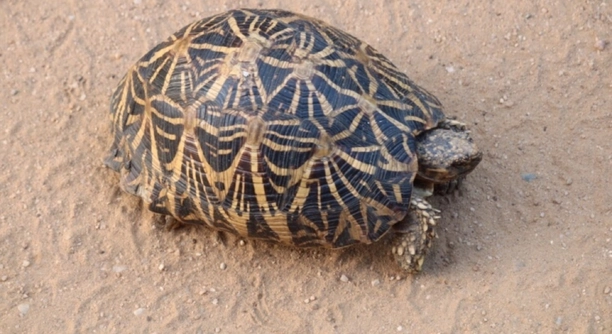
Turtles are unique creatures that require special care, including proper hydration. Dehydration in turtles is more common than you might think and can lead to serious health issues. Recognizing the signs early can help prevent any harm to your pet.
Dehydration in turtles can occur due to a lack of proper water intake or environmental factors like low humidity. Symptoms may include lethargy, dry skin, sunken eyes, and reduced activity. It is important to monitor their behavior and environment closely.
Knowing how to identify dehydration in your turtle can improve its well-being. By understanding the signs, you can take action to ensure your turtle remains healthy and hydrated.
Why Dehydration Happens in Turtles
Turtles can become dehydrated for a variety of reasons. If they do not have enough water available to drink or if their environment is too dry, dehydration can set in quickly. Turtles rely on their habitat to maintain hydration, so it is important to ensure that they are living in an environment that supports their needs. They may also lose moisture through improper humidity levels, poor diet, or even stress. When turtles are kept in a tank that isn’t properly set up, their hydration levels can drop significantly.
Their diet can also play a role in dehydration. If your turtle isn’t getting enough moisture from its food or is fed too many dry foods, it may not be getting the hydration it needs. It’s crucial to provide a well-balanced diet with enough water-rich vegetables, fruits, and other foods. Consistently monitoring their water intake and environment will help keep dehydration at bay.
Some turtles are more vulnerable to dehydration than others, particularly if they are kept in tanks with low humidity or areas where they cannot access fresh water regularly.
How to Spot Dehydration in Your Turtle
Dehydration is often noticeable through physical signs in turtles. One of the most common signs is sunken eyes. If your turtle’s eyes appear hollow or recessed, it could be a sign that they aren’t getting enough hydration. Another indicator is dry or flaky skin. When the skin becomes rough or loses its natural elasticity, it’s a warning sign of dehydration.
Additionally, turtles that are dehydrated tend to become more sluggish and less active. They might hide more or have difficulty moving around as they usually do. In severe cases, you may notice that your turtle is eating or drinking less than usual. These are all signs that indicate your turtle’s hydration levels need attention.
By paying attention to these signs, you can act quickly to correct the situation and prevent further health issues. Maintaining a proper environment and water intake is key to your turtle’s well-being.
The Importance of Proper Hydration
Turtles need water to stay hydrated and healthy. Their bodies require regular moisture intake to function properly. If they aren’t drinking enough water, it can affect everything from their digestion to their energy levels. A consistent water supply ensures they remain active and comfortable in their environment.
Providing fresh, clean water daily is essential for your turtle’s hydration. You can place a shallow dish of water in their enclosure, ensuring it’s easily accessible. Turtles drink water regularly throughout the day, so this is a simple yet important step. You should also monitor the water’s temperature and cleanliness to avoid any potential health issues. A clean water source helps to reduce the chances of bacteria or parasites affecting your turtle.
Hydration also impacts your turtle’s behavior. A well-hydrated turtle is more likely to swim, explore, and interact with its environment. If you notice a decrease in these behaviors, it could be a sign that hydration levels need to be addressed. Always prioritize providing water that’s safe and clean for your pet.
How to Keep Your Turtle’s Habitat Moist
Humidity plays a big role in keeping your turtle hydrated. Turtles, especially aquatic species, rely on humid environments to maintain their body moisture. If your tank is too dry, your turtle may not be able to keep its skin moist, leading to dehydration. It’s important to maintain a consistent humidity level in the tank to create a healthy habitat.
To keep the humidity up, you can use a misting system or regularly spray the enclosure with water. Additionally, adding a water feature, like a shallow pool, can help raise the humidity level and ensure your turtle stays hydrated. Make sure the enclosure has proper ventilation to prevent excess moisture buildup, which can lead to mold or mildew.
Another way to ensure proper humidity is by monitoring the tank’s temperature. The right temperature range promotes healthy hydration levels in your turtle. A tank that’s too hot or too cold can make it harder for your turtle to maintain the necessary hydration. Consider using a thermometer and humidity gauge to maintain the ideal environment.
How to Encourage Water Intake
If your turtle isn’t drinking enough water, try offering fresh water in different forms. You can add some liquid to their food or soak them in water for a short time. These methods can encourage your turtle to drink more.
Some turtles might prefer drinking from moving water. A small water fountain in their enclosure can encourage them to drink more frequently. You can also offer water through a gentle misting, especially for species that enjoy moist conditions. Simply soaking the turtle in water for a few minutes can also help them stay hydrated.
The Right Diet for Hydration
A healthy diet rich in water-filled vegetables and fruits is key to hydration. Leafy greens like lettuce, kale, and dandelion greens, as well as fruits like strawberries and watermelon, provide the moisture your turtle needs. Offer these foods regularly to help supplement their water intake.
A well-balanced diet also ensures your turtle gets the right nutrients for overall health. Nutrient-rich foods, in addition to water, support their bodily functions and prevent dehydration. Avoid feeding them overly dry or processed foods that lack moisture, as these can lead to dehydration over time.
Environmental Factors to Consider
Temperature and light exposure play important roles in hydration. If the enclosure is too hot, your turtle may lose moisture more quickly, leading to dehydration. Make sure to keep the temperature in the appropriate range for your turtle’s species. Avoid too much direct sunlight, which can also dry out their skin.
Proper UVB lighting is crucial for your turtle’s health and hydration. UVB light helps them synthesize vitamin D3, which is necessary for calcium absorption and overall well-being. Keep the light at the right intensity and duration to avoid any negative effects on your turtle’s hydration.
FAQ
How can I tell if my turtle is drinking enough water?
You may not always see your turtle drinking, but signs like clear, healthy skin and active behavior indicate proper hydration. If your turtle is sluggish, has sunken eyes, or dry skin, these could be signs of dehydration. Regularly observing your turtle’s behavior and condition can give you a good idea if hydration is an issue.
How often should I provide water for my turtle?
Turtles need access to fresh water every day. For aquatic species, it’s essential to have a clean water source in their tank at all times. Semi-aquatic turtles may need less water but still require a shallow dish or area to soak in. If you notice that your turtle isn’t drinking regularly, try offering water in different ways or adjusting their environment.
Can I overhydrate my turtle?
It’s unlikely to overhydrate a turtle since they regulate their hydration needs naturally. However, if you notice that your turtle is frequently soaking or unable to get out of the water, it might indicate an issue with their environment. In such cases, adjust the tank setup and monitor your turtle’s behavior.
Should I give my turtle water supplements?
Water supplements are usually unnecessary if your turtle is in a properly hydrated environment and eating a balanced diet. Fresh water, along with moist foods like leafy greens and fruits, should be enough to keep your turtle hydrated. Supplements can sometimes lead to imbalances, so it’s best to focus on natural hydration.
What should I do if my turtle refuses to drink water?
If your turtle isn’t drinking water, it could be stressed, uncomfortable, or in an unsuitable environment. Ensure that the tank is clean, the water temperature is appropriate, and the humidity level is correct. Try soaking your turtle in shallow water to encourage drinking. If the problem persists, it’s important to consult a veterinarian.
Can dry food cause dehydration in turtles?
Yes, feeding your turtle mainly dry food can lead to dehydration. Turtles need moisture in their diet, so it’s important to offer them water-rich foods like lettuce, dandelion greens, or watermelon. Dry foods should only be a small part of their diet, and fresh water should always be available.
How do I keep the humidity high in my turtle’s tank?
To maintain proper humidity, you can mist the tank regularly or install a humidity gauge. Adding a shallow water dish or creating a humid microclimate with plants can also help. Make sure the tank has proper ventilation to avoid excess moisture, which can cause mold. Maintaining the right humidity is crucial for your turtle’s hydration.
Can a turtle survive without water for a long time?
Turtles are highly dependent on water for hydration, especially aquatic and semi-aquatic species. A turtle may survive without water for a short time, but prolonged exposure to dry conditions can lead to dehydration and health problems. Always ensure your turtle has access to clean water, whether it’s for drinking or soaking.
What temperature should my turtle’s water be?
The water temperature for aquatic turtles should be between 75-80°F (24-27°C). This range ensures they remain comfortable and hydrated. If the water is too cold, your turtle might be less likely to drink or be active, leading to potential dehydration. Maintain a stable temperature to support their overall well-being.
Can my turtle drink from a water fountain?
Yes, some turtles prefer drinking from running water, and a water fountain can encourage them to drink more regularly. A small, gentle fountain can also help maintain clean water. However, be sure the fountain doesn’t create strong water currents that may stress your turtle.
How do I know if my turtle is too dry?
If your turtle’s skin looks rough, flaky, or loses elasticity, it could be a sign that it is too dry. Sunken eyes or lethargy are also indicators of dehydration. Regularly checking your turtle’s skin, eyes, and behavior can help you identify if they need more water or humidity.
What is the best way to hydrate my turtle?
To hydrate your turtle, offer fresh, clean water every day. Soaking your turtle in shallow water for 15-20 minutes can also help boost hydration. Including water-rich foods in their diet, such as leafy greens and fruits, can help maintain hydration levels. Keeping their environment humid is equally important for overall health.
Final Thoughts
Maintaining proper hydration for your turtle is essential for its overall health and well-being. Turtles, like all animals, need a constant supply of water to stay hydrated and function properly. Inadequate hydration can lead to serious health issues such as dry skin, lethargy, and even organ failure in extreme cases. By understanding the signs of dehydration and taking steps to address it, you can ensure your turtle stays healthy and active. This includes providing access to clean water, offering water-rich foods, and maintaining an appropriate environment for them to thrive.
There are several ways to help your turtle stay hydrated. First and foremost, ensure that their habitat is suitable for their species. Aquatic turtles need a clean water source to swim in, while semi-aquatic turtles should have a shallow dish for soaking. Additionally, offering water-rich foods like leafy greens, cucumbers, and fruits can supplement their hydration. If your turtle is not drinking enough water, try soaking them in a shallow dish for a few minutes each day to encourage drinking. These methods will help keep your turtle hydrated and healthy.
If you notice any signs of dehydration, such as sunken eyes, dry skin, or reduced activity, it’s important to take action immediately. Review their living conditions and ensure they have access to clean, properly maintained water and food. If the issue persists, it may be time to consult a veterinarian to address any underlying health problems. Proper hydration is vital to your turtle’s longevity and quality of life, and taking the necessary steps to keep them hydrated will lead to a happier, healthier pet.

Hello,
If you enjoy the content that we create, please consider saying a "Thank You!" by leaving a tip.
Every little bit helps us continue crafting quality advice that supports the health, happiness, and well-being of pets around the world, for pets of all shapes, sizes, and species.
We really appreciate the kindness and support that you show us!