
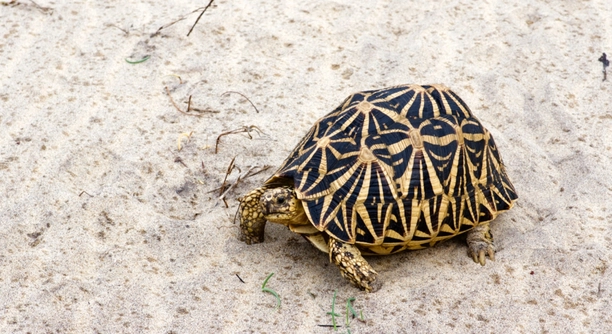
Turtles are fascinating creatures, and watching them interact with their environment can be enjoyable. However, when your turtle keeps biting the filter, it can be concerning. Understanding the behavior behind this action can help address the issue.
Turtles often bite the filter because they mistake it for food or are simply exploring their surroundings. This behavior is usually a result of boredom, curiosity, or a lack of stimulation in their tank.
There are ways to reduce this behavior and ensure your turtle feels comfortable and engaged. Understanding why your turtle behaves this way is key to improving their well-being.
Why Turtles Bite the Filter
Turtles are naturally curious animals and can sometimes display unusual behaviors like biting their filter. When a turtle consistently bites the filter, it could be trying to interact with something it doesn’t fully understand. This behavior is often a sign of boredom, especially if the turtle doesn’t have enough stimulation in its tank. Turtles have a tendency to nibble at objects as they explore their environment. The filter’s movement and the water current can also attract them, giving them something to engage with. Sometimes, they even mistake the filter for food.
Offering enrichment like tank decorations, rocks, or safe plants can encourage your turtle to explore different objects. Adding floating items or areas to climb can also provide a more stimulating environment. Turtles enjoy exploring different surfaces and materials, so diversifying their habitat will help keep them busy and less focused on the filter.
Another factor to consider is the water quality. If the filter isn’t working properly, your turtle may be drawn to it because of a perceived issue with the water flow. Ensuring the filter is efficient and the tank is properly maintained can help reduce unnecessary attraction. Regular tank cleanings and filter checks are crucial in keeping your turtle’s environment safe and healthy.
Preventing Biting Behavior
To address your turtle’s biting, it’s essential to create a more engaging environment.
Introducing toys or various textures can capture your turtle’s attention and reduce the focus on the filter.
How to Manage Your Turtle’s Environment
To keep your turtle from biting the filter, maintaining a proper habitat is essential. This includes keeping the tank clean and providing enough space for your turtle to move around freely. Overcrowded tanks with limited hiding spots can lead to stress, which might increase biting behavior.
Adding plants, rocks, or other tank accessories can give your turtle more places to explore and reduce its fixation on the filter. Be sure to use safe, non-toxic materials, so your turtle can interact with them without risk. Changing the tank setup occasionally also provides a new and stimulating environment for your turtle, encouraging exploration.
The water flow from the filter might attract your turtle, especially if it’s set up in a high-traffic area of the tank. Moving the filter to a less noticeable spot can reduce your turtle’s temptation to bite it. If that’s not possible, adjusting the water flow speed can also make the filter less appealing to your turtle.
Why Tank Size Matters
A larger tank allows your turtle to roam freely, which can help prevent it from biting the filter.
Smaller tanks tend to limit movement, which can lead to boredom and repetitive behaviors like biting. By increasing the tank’s size, you offer more space for your turtle to swim, explore, and engage with the environment. This can be especially helpful in avoiding the negative behavior of biting. A larger tank also provides room for more hiding spots, giving your turtle a place to feel secure when it needs rest or downtime.
Water Quality and Filter Maintenance
Keeping the water clean and properly filtered will reduce your turtle’s interest in the filter. Dirty water can draw attention, especially if your turtle feels the need to clean it. Regular water changes and filter maintenance are important in preventing unnecessary behavior like biting.
Ensure the filter is set up correctly and matches your tank size. A filter that is too small for your tank might not work efficiently, causing water quality issues. A poorly maintained filter might create water flow inconsistencies, attracting your turtle to bite or explore it further.
Understanding Turtle Behavior
Turtles are naturally curious and may bite objects simply to explore them. The filter’s movement and water flow can seem like something worth investigating. Observing your turtle’s habits can give you insight into how to adjust their environment to reduce unwanted behaviors like biting.
Tank Temperature and Lighting
Temperature and lighting also play a role in your turtle’s behavior. Maintaining the correct temperature range for your turtle species helps avoid stress, which may lead to biting. Make sure to provide a proper heat source, such as a basking light, to create an ideal environment for your turtle’s well-being.
FAQ
Why does my turtle bite the filter?
Turtles bite the filter out of curiosity, boredom, or because they mistake it for food. The water flow and movement of the filter can attract them, especially if they don’t have other engaging objects in their environment. It’s a natural behavior for them to explore their surroundings, and the filter might be one of the most accessible things to interact with in the tank.
Can I stop my turtle from biting the filter?
Yes, you can reduce this behavior by offering more stimulation in your turtle’s environment. Adding decorations, plants, or climbing structures will encourage exploration, keeping your turtle busy. Changing the tank setup and moving the filter to a less visible area can also help lessen the temptation to bite it.
How do I know if my turtle is bored?
A bored turtle might exhibit repetitive behaviors, such as biting the filter, swimming aimlessly, or spending too much time in one spot. If your turtle lacks enrichment or has a small, cluttered tank, it may become restless. Offering more variety in their environment and ensuring they have enough space to move can help prevent boredom.
Is biting the filter a sign of stress?
While it’s not always a direct sign of stress, biting the filter could indicate that your turtle is feeling uneasy or lacks stimulation. Stress can arise from a cramped tank, poor water quality, or inadequate hiding spots. Ensuring your turtle’s habitat is well-maintained and spacious can help reduce stress-related behaviors.
How often should I clean my turtle’s tank?
You should clean your turtle’s tank at least once a week. This includes changing the water, removing any waste, and cleaning the filter. Maintaining a clean environment is crucial for your turtle’s health and can help prevent behaviors like biting the filter. A dirty tank can lead to discomfort and attraction to the filter.
Can my turtle get hurt from biting the filter?
While it’s unlikely for your turtle to get seriously hurt from biting the filter, it’s possible for them to damage their mouth or teeth. A sharp or exposed part of the filter could cause injury. It’s important to ensure the filter is safe, and if your turtle persists in biting it, consider adjusting the tank setup.
Should I change the filter if my turtle keeps biting it?
If your turtle continues biting the filter, it might be helpful to check if the filter is functioning properly. A malfunctioning filter can cause issues with water quality, which may attract your turtle. You might also consider adjusting the flow speed, moving the filter, or switching to a more suitable model to reduce your turtle’s interest.
Can I add plants to the tank to stop the biting?
Yes, adding live or artificial plants can provide your turtle with more places to explore and hide. Plants offer visual distractions, reduce the focus on the filter, and create a more natural habitat. Be sure to choose plants that are safe for turtles and don’t pose any harm if eaten.
What other behaviors might indicate my turtle is unhappy?
Signs that your turtle may be unhappy include loss of appetite, swimming aimlessly, hiding constantly, or becoming lethargic. These behaviors can be a result of poor water quality, improper tank conditions, or lack of stimulation. A healthy, happy turtle should show curiosity, eat well, and be active in its environment.
Can I change the filter’s location to stop biting?
Yes, changing the filter’s location might help reduce your turtle’s focus on it. Try placing it in a less visible spot in the tank, preferably near the back or corner. Reducing the visibility and accessibility of the filter can make it less likely for your turtle to bite it constantly.
How much space does my turtle need in the tank?
The general rule is that your turtle should have at least 10 gallons of water for every inch of its shell length. Providing ample space allows your turtle to swim freely, reducing the likelihood of behaviors like biting the filter due to boredom. A larger tank also gives your turtle more room for exploration and enrichment.
How can I make my turtle feel more secure?
Providing hiding spots, such as rocks or tunnels, will make your turtle feel more secure in its tank. If your turtle feels safe and has enough space, it is less likely to engage in unwanted behaviors like biting the filter. Make sure the tank is set up in a way that mimics a turtle’s natural habitat.
Final Thoughts
Dealing with a turtle that keeps biting the filter can be frustrating, but it’s important to understand that this behavior is often driven by curiosity or boredom. Turtles are naturally inquisitive creatures, and the movement of the filter may seem like an interesting object to interact with. However, with a few simple changes to your turtle’s environment, you can help redirect its attention. By providing enrichment, such as plants, rocks, or other engaging tank decorations, you offer your turtle new things to explore. This can keep them occupied and reduce the likelihood of them fixating on the filter.
Another key factor to consider is the overall quality of your turtle’s environment. A clean tank with appropriate water conditions is essential for your turtle’s health and happiness. If the water quality is poor, it may encourage your turtle to spend more time around the filter. Regular tank maintenance, including water changes and filter cleaning, is necessary to keep the environment healthy and less likely to attract your turtle to the filter. A spacious tank that offers room to roam and hide can also reduce boredom and stress, which may otherwise contribute to the biting behavior. Make sure the tank size is appropriate for the species of turtle you have, as this directly affects its comfort.
If all else fails, consider adjusting the filter’s placement or the water flow speed. Moving the filter to a less noticeable spot can make it less tempting for your turtle to interact with. In some cases, switching to a different type of filter that’s less visually stimulating or that provides a gentler water flow might be the solution. Keeping your turtle’s environment clean, comfortable, and enriched will lead to a happier pet and less unwanted behavior.

Hello,
If you enjoy the content that we create, please consider saying a "Thank You!" by leaving a tip.
Every little bit helps us continue crafting quality advice that supports the health, happiness, and well-being of pets around the world, for pets of all shapes, sizes, and species.
We really appreciate the kindness and support that you show us!