
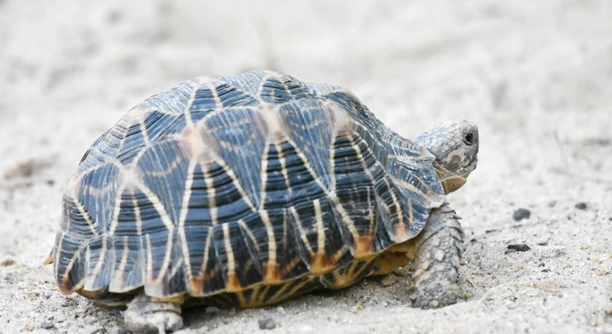
Turtles are fascinating creatures, but like all animals, they can face health challenges. Respiratory issues in turtles are more common than one might think. Understanding these issues is essential for their care and well-being.
Respiratory problems in turtles often stem from poor water quality, inadequate basking areas, or an improper diet. Stress, temperature fluctuations, and bacterial infections also contribute to respiratory issues. Proper tank conditions and routine check-ups help prevent these problems.
Knowing the signs and causes of respiratory issues will help you provide the best care. Keep reading to learn more about how to protect your turtle’s health.
Poor Water Quality
Turtles spend a large portion of their time in the water, so its quality is crucial to their health. Dirty or polluted water can lead to a build-up of bacteria and other harmful organisms. This can cause respiratory infections and other serious health problems. Make sure to clean the tank regularly, use a good filtration system, and check the water parameters often. The water should be kept at an appropriate temperature, and the pH levels should be balanced for the specific species of turtle.
While it’s easy to overlook the importance of water quality, it directly impacts your turtle’s respiratory system. Harmful bacteria or chemicals in the water can stress your turtle and cause infections. Ensuring a clean and well-maintained environment will promote overall health.
Changing the water frequently, cleaning tank decorations, and monitoring the water temperature are the easiest ways to avoid respiratory problems. This simple maintenance routine can make a significant difference in preventing health issues and ensuring your turtle stays healthy.
Inadequate Basking Area
A proper basking area is essential for a turtle’s overall well-being. Turtles need warmth to regulate their body temperature and to help with digestion. Without a suitable basking spot, they can become stressed and more susceptible to respiratory problems. When setting up your turtle’s habitat, provide a dry, elevated surface with access to UVB light. This will allow your turtle to soak up heat and maintain a healthy immune system.
Turtles need a place to dry off, soak up heat, and get UVB light. If they don’t have access to these, their respiratory health can be compromised.
Setting up a proper basking area with the right lighting and temperature can prevent issues in the long term. It’s an essential element of turtle care that shouldn’t be overlooked.
Stress
Stress can play a major role in causing respiratory issues in turtles. When turtles are stressed, their immune systems weaken, making them more susceptible to infections. Stress can come from many sources, including overcrowding in the tank, sudden changes in temperature, or being handled too much.
Creating a calm and stable environment is essential for preventing stress-related health problems. Provide plenty of space in the tank for your turtle to move around and hide when needed. Avoid abrupt changes in their environment, as consistency is key. This will help reduce stress and improve their overall health.
Handling your turtle with care and keeping noise and distractions to a minimum also help reduce stress. A peaceful environment allows your turtle to feel safe, which in turn strengthens their immune system, helping to prevent respiratory issues.
Improper Diet
A poor diet can directly affect a turtle’s respiratory health. Turtles need a balanced diet that includes a variety of foods such as leafy greens, insects, and occasional fruits. Without the right nutrition, turtles may develop weakened immune systems, making them more prone to infections.
Feeding your turtle a diet with insufficient vitamins or minerals can also impair their ability to fight off respiratory illnesses. Calcium is particularly important for shell health and overall immune function. Ensure your turtle’s diet is diverse and meets its nutritional needs to keep respiratory problems at bay.
Offering a well-rounded diet helps promote good health, but it’s equally important to avoid overfeeding. Obesity can also increase the risk of respiratory problems, so it’s crucial to monitor the amount of food provided. Proper nutrition supports their immune system, helping your turtle stay healthy and strong.
Temperature Fluctuations
Temperature fluctuations can cause respiratory issues by making it harder for turtles to regulate their body heat. When the water or basking area is too cold or hot, it weakens their immune system, making them more susceptible to infections. Stable temperatures are key to their health.
Maintain the water temperature within the recommended range for your turtle species. Basking areas should be kept at a warm, steady temperature. Using a reliable thermometer will help you monitor these conditions effectively. It’s important to avoid extreme shifts in temperature to keep your turtle healthy and avoid respiratory problems.
Bacterial Infections
Bacterial infections are common causes of respiratory problems in turtles. These infections usually develop when the turtle is exposed to dirty water, inadequate basking conditions, or stress. They can lead to symptoms like wheezing, nasal discharge, and lethargy.
Taking care of your turtle’s environment is vital to prevent these infections. A clean tank and a proper diet will help strengthen your turtle’s immune system. Routine check-ups and monitoring for symptoms can help you catch bacterial infections early. If you notice any signs, consult a veterinarian for treatment.
Contaminated Substrate
Substrate can trap waste and debris, which can lead to bacterial growth and respiratory issues. Choosing the right substrate is essential. If the substrate is not cleaned regularly, it can contribute to poor water quality and make the tank environment unsafe for your turtle.
Using a safe, easily cleanable substrate can help minimize these risks. Regularly changing or cleaning the substrate will prevent harmful bacteria from building up. This will ensure that your turtle’s living space remains clean and conducive to good health.
FAQ
How can I tell if my turtle has a respiratory infection?
Signs of a respiratory infection in turtles include wheezing, nasal discharge, labored breathing, and lethargy. You may also notice a change in appetite or a lack of interest in swimming. If you observe any of these symptoms, it’s important to seek veterinary care immediately. Respiratory infections can worsen quickly if left untreated, so timely intervention is essential for your turtle’s health.
What should I do if my turtle is stressed?
If your turtle is stressed, try to identify the cause. Overcrowding, sudden temperature changes, or too much handling can all contribute to stress. Ensure your turtle has enough space to move freely in the tank. Provide hiding spots where it can retreat when feeling overwhelmed. Reducing external noise and disturbance can also help lower stress levels. Lastly, maintain a consistent environment with stable water temperatures and proper basking areas.
How can I improve the water quality for my turtle?
To improve water quality, start by changing the water regularly, at least once a week, or more often if needed. Use a high-quality filtration system to keep the water clean and free from harmful bacteria. Test the water regularly to ensure the pH, temperature, and ammonia levels are within safe ranges for your turtle species. Remove any debris or uneaten food from the tank daily to prevent contamination. Adding live plants to the tank can also help maintain healthy water quality.
What temperature should my turtle’s tank be?
The ideal water temperature for most turtles falls between 75-80°F (24-27°C). The basking area should be kept between 85-95°F (29-35°C), allowing your turtle to warm up and regulate its body temperature. A thermometer can help monitor these temperatures, ensuring your turtle is always in a comfortable environment. Remember, turtles need stable temperatures; avoid drastic fluctuations as they can lead to stress and health issues.
Can a poor diet cause respiratory problems in turtles?
Yes, a poor diet can weaken your turtle’s immune system, making it more prone to respiratory problems. Turtles require a balanced diet that includes leafy greens, vegetables, occasional fruits, and protein sources like insects or fish. A diet lacking in essential nutrients, such as vitamins A and D3, calcium, and other minerals, can make your turtle more vulnerable to infections. It’s important to offer a variety of foods to meet their nutritional needs and support their immune system.
What is the best substrate for a turtle tank?
The best substrate for a turtle tank is one that’s easy to clean and won’t harbor bacteria. Options like river rock, large gravel, or ceramic tiles are ideal because they can be cleaned thoroughly and don’t trap waste. Avoid using small gravel, sand, or wood chips, as they can accumulate debris and make it harder to maintain water quality. Whatever substrate you choose, ensure it is safe and provides a solid, stable base for your turtle to walk and bask.
How can I prevent my turtle from getting a bacterial infection?
Preventing bacterial infections begins with maintaining clean water and a well-kept tank. Clean the tank and filter regularly, remove any uneaten food, and monitor water quality to ensure it’s free from harmful bacteria. Also, provide a proper basking area with UVB lighting and maintain a stable temperature. A balanced diet that supports your turtle’s immune system will also help keep infections at bay. Lastly, avoid overcrowding, as stress can make your turtle more susceptible to illness.
How often should I clean my turtle’s tank?
Your turtle’s tank should be cleaned at least once a week. However, if the water becomes dirty more quickly, you may need to clean it more often. Perform partial water changes to remove waste, and use a filter to keep the water clean in between changes. Clean the substrate and decorations as well to avoid bacterial buildup. A regular cleaning schedule will help prevent respiratory infections and ensure your turtle’s environment stays healthy.
What is the best way to handle my turtle?
When handling your turtle, always be gentle and calm. Avoid picking it up by its shell, as this can cause stress or injury. Instead, scoop your turtle carefully with both hands, supporting its body and shell. Limit handling to reduce stress, especially for young or shy turtles. Always wash your hands before and after handling to prevent the transfer of harmful bacteria. It’s best to only handle your turtle when necessary, such as during tank cleaning or check-ups.
Why is my turtle’s shell soft?
A soft shell may indicate a calcium deficiency or an improper diet. Turtles need calcium to maintain a healthy shell, and without it, the shell may become soft and weak. Ensure your turtle is getting enough calcium by providing a calcium supplement, such as cuttlebone, or feeding foods rich in calcium like leafy greens. Exposure to UVB light is also essential for calcium absorption. If the problem persists, consult a veterinarian to address the underlying cause.
Can temperature stress cause my turtle to stop eating?
Yes, temperature stress can cause your turtle to lose its appetite. If the water or basking area is too cold or too hot, it may cause your turtle to become lethargic and lose interest in food. Make sure the tank is at the appropriate temperature for your turtle species, and avoid sudden temperature changes. If the temperature is correct and your turtle still isn’t eating, it may be experiencing other health issues, such as a respiratory infection, and you should consult a veterinarian.
What should I do if my turtle has nasal discharge?
Nasal discharge in turtles can be a sign of a respiratory infection. If you notice clear or cloudy mucus around your turtle’s nose, it’s important to take action quickly. Check the water quality, basking area, and temperature to ensure they are ideal for your turtle. If the discharge persists or worsens, take your turtle to a veterinarian who can properly diagnose and treat the condition. Early treatment is crucial to prevent further complications.
Final Thoughts
Taking care of a turtle’s respiratory health is essential for ensuring they live a long, happy life. Turtles are quite sensitive to changes in their environment, and respiratory issues can quickly develop if they’re not properly managed. By maintaining the right tank conditions, such as stable temperatures, clean water, and proper filtration, you can help prevent respiratory problems from arising. Keeping an eye on your turtle’s behavior and noticing any changes, like labored breathing or nasal discharge, is key to catching any issues early.
It’s also important to feed your turtle a balanced diet to support its overall health. A good diet not only helps strengthen their immune system but also plays a role in preventing respiratory infections. Be sure to provide a variety of foods, such as leafy greens, fruits, and protein, while also offering the necessary supplements like calcium to keep their shell strong. An unhealthy diet can weaken their immune system, making them more prone to illnesses, including respiratory issues.
Lastly, if you notice signs of respiratory problems or other health issues in your turtle, don’t hesitate to consult a veterinarian. The sooner any issues are addressed, the easier it is to treat them and prevent further complications. Regular health checks and monitoring are a part of responsible turtle care, and they’ll help ensure your pet stays healthy for years to come. With proper care and attention, your turtle can thrive in a well-maintained environment, free from respiratory issues and other health concerns.

Hello,
If you enjoy the content that we create, please consider saying a "Thank You!" by leaving a tip.
Every little bit helps us continue crafting quality advice that supports the health, happiness, and well-being of pets around the world, for pets of all shapes, sizes, and species.
We really appreciate the kindness and support that you show us!