
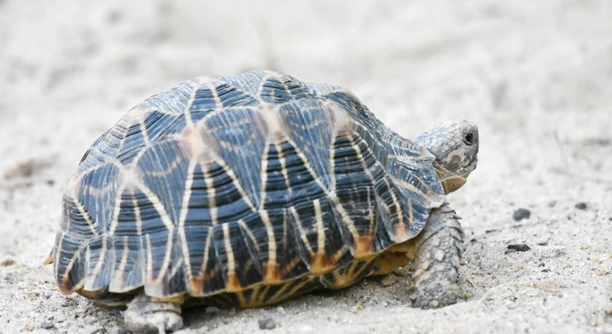
Turtles are fascinating creatures, and their behavior can be puzzling at times. One common concern among turtle owners is when their turtle’s head stays tucked in for extended periods. This behavior often raises questions.
Turtles may tuck their heads in for various reasons, including stress, fear, or discomfort. It could also be a natural response to feeling threatened or needing to regulate their body temperature. Identifying the cause is essential for proper care.
Understanding the reasons behind your turtle’s behavior is important. By recognizing potential triggers and addressing their needs, you can help ensure their well-being and comfort.
Possible Causes of Turtles Tucking Their Heads
Turtles often tuck their heads in for protection, whether from predators or unfamiliar environments. It’s an instinctual behavior, allowing them to retreat into their shells for safety. Stress from sudden changes, such as moving to a new tank or the presence of loud noises, can trigger this response. Similarly, if a turtle feels threatened by another animal or person, it may instinctively withdraw. Overhandling can also cause a turtle to hide its head, as they may feel uncomfortable and seek refuge within their shell. It’s important to observe your turtle’s behavior and environment to identify triggers.
Stress is a significant factor in this behavior. Changes to their environment, like tank temperature or water quality, can cause a turtle to withdraw. The turtle may not feel safe or secure and may attempt to protect itself by tucking its head.
Ensuring a calm, stable environment for your turtle can alleviate stress. Keep their tank clean, maintain appropriate temperatures, and avoid unnecessary handling. These simple steps help reduce the chances of your turtle feeling threatened and resorting to this behavior.
Health Issues to Consider
In some cases, health issues can lead to your turtle tucking its head in. Respiratory infections are common in turtles, particularly if they are exposed to cold temperatures or improper humidity levels. When a turtle has difficulty breathing, it may retreat into its shell to conserve energy and protect itself from the discomfort. Additionally, injuries or pain can make your turtle less active and cause it to withdraw its head. If you notice your turtle’s behavior is accompanied by lethargy, difficulty moving, or changes in appetite, it’s a good idea to consult with a vet to rule out any underlying health concerns.
Proper tank maintenance and monitoring for signs of illness are essential. If your turtle is exposed to conditions that can lead to infections, such as dirty water or fluctuating temperatures, it may be more susceptible to illness.
Environmental Factors Affecting Behavior
Turtles may retract their heads if their environment feels off. Changes in water temperature, water quality, or lighting can stress them. Even a small shift in their surroundings can cause discomfort. Turtles are sensitive to these factors, so it’s crucial to maintain a stable environment.
Improper water temperature can be particularly disruptive. Turtles rely on specific heat ranges to regulate their body temperature. If the water is too cold or hot, they may become lethargic and retreat into their shells. Regularly check the water temperature with a thermometer to ensure it remains within the ideal range for your species.
Water quality also plays a role in your turtle’s behavior. Dirty water or improperly filtered tanks can cause irritation, prompting your turtle to hide. Regular water changes and proper filtration can help reduce stress. Keep the tank clean and make sure the filtration system is effective, ensuring your turtle stays healthy and comfortable.
Feeding and Diet Considerations
A poor diet can also affect your turtle’s behavior. If they’re not getting the right nutrients, they may become lethargic and less active, leading to a tendency to hide. A balanced diet is key to keeping your turtle energetic and engaged.
Offer a variety of foods, including leafy greens, vegetables, and protein sources like insects or fish. Make sure to include a mix of calcium and vitamins to support bone health and overall well-being. Avoid overfeeding, as it can cause weight issues and disrupt their natural behaviors. A varied, balanced diet will help your turtle stay active and comfortable.
Monitoring your turtle’s eating habits can provide insight into their health. If your turtle suddenly stops eating or seems uninterested in food, it could be a sign of stress or illness. Pay attention to any changes in their eating habits and consult a vet if needed.
Handling and Interaction
Excessive handling can cause stress and lead to your turtle tucking its head in. Turtles are not as social as some pets and may feel threatened by too much interaction. Limit handling to avoid making your turtle uncomfortable.
When handling your turtle, be gentle and avoid startling it. Hold it calmly and allow it to feel secure in your hands. If your turtle withdraws its head when you approach, give it space and time to adjust to your presence. Avoid picking it up frequently, as this can cause stress and behavioral changes.
Shell Health and Condition
The condition of your turtle’s shell can also affect its behavior. A damaged or unhealthy shell may cause discomfort, leading to your turtle tucking its head in for protection. Check for any signs of injury or infection.
If you notice cracks, discoloration, or unusual soft spots, it’s essential to get your turtle examined by a vet. A healthy shell is critical for your turtle’s overall well-being. Regularly monitor your turtle’s shell and ensure its living conditions support shell health.
FAQ
Why does my turtle hide its head for so long?
Turtles hide their heads for various reasons, including stress, fear, or discomfort. It can be a natural response to feeling threatened or unsafe. If they feel threatened by sudden movements, unfamiliar people, or changes in their environment, they may tuck their head into their shell for protection. It’s also common for turtles to do this when they need to regulate their body temperature or if they’re in pain.
How can I tell if my turtle is stressed?
Signs of stress in turtles include hiding, lethargy, lack of appetite, and sudden behavioral changes. A stressed turtle may also retract its head or limbs more frequently than usual. If your turtle becomes aggressive or unresponsive to feeding, it could be a sign of stress. It’s essential to maintain a stable, calm environment to reduce stress triggers.
Can I help my turtle feel safer?
To help your turtle feel secure, ensure its tank is set up properly. Avoid placing the tank in high-traffic areas or near loud noises. Use proper lighting, heating, and filtration to create a comfortable environment. Provide hiding spaces, such as rocks or logs, where the turtle can retreat if it feels unsafe. Reducing handling and allowing the turtle to explore at its own pace also promotes a sense of security.
Does water quality affect my turtle’s behavior?
Yes, poor water quality can lead to stress and illness, causing your turtle to hide more often. Turtles are very sensitive to dirty or polluted water, which can irritate their skin and respiratory system. Make sure the water is filtered properly and that the tank is cleaned regularly. Testing the water for pH levels, ammonia, and nitrite concentrations is important to maintain a healthy environment for your turtle.
What should I do if my turtle stops eating?
A turtle that stops eating could be stressed, ill, or uncomfortable. First, check the water temperature and quality, as these factors can impact their appetite. Ensure the diet is varied and balanced with the right amount of protein, vitamins, and minerals. If your turtle continues to refuse food for more than a few days, consult a vet to rule out health issues such as respiratory infections, parasites, or other illnesses.
How often should I handle my turtle?
Turtles don’t require as much handling as other pets. Excessive handling can cause stress and affect their health. Limit interactions to once a week or when necessary for cleaning or tank maintenance. Always be gentle when handling and avoid lifting your turtle by its limbs, as this can be uncomfortable and cause injury.
Is it normal for my turtle to retract its head when I approach?
Yes, it’s normal for a turtle to retract its head when it feels threatened. This is a defense mechanism to protect itself from potential danger. Turtles are prey animals, so their instinct is to retreat into their shell if they sense danger. If your turtle is consistently hiding when you approach, try to reduce handling and give it time to acclimate to your presence.
How can I tell if my turtle is sick?
Sick turtles may exhibit a variety of symptoms, including lethargy, a lack of appetite, difficulty swimming, or abnormal behavior like hiding or retracting their head. A respiratory infection might cause wheezing or a runny nose. Look for signs like soft shells, swollen eyes, or abnormal skin shedding, all of which indicate that your turtle may need medical attention.
What is the ideal temperature for my turtle’s tank?
The ideal water temperature for most turtles is between 75°F and 85°F (24°C to 29°C), depending on the species. A basking area should have a temperature between 90°F and 95°F (32°C to 35°C) to allow your turtle to regulate its body heat. Using a thermometer is essential to ensure the environment stays within the proper temperature range.
Can I keep my turtle in a small tank?
Turtles need plenty of space to swim and explore. A small tank can cause stress, limit their movement, and lead to health issues. The minimum tank size for most turtle species is 40 gallons, with larger species needing even more space. A larger tank helps maintain better water quality and gives your turtle room to grow and thrive.
How long can my turtle go without food?
Turtles can survive for extended periods without food, depending on their age and health. Adult turtles can typically go without food for about a week or two, while hatchlings and young turtles require more frequent feeding. If your turtle refuses to eat for more than a few days, monitor its behavior and water quality, and seek veterinary advice if the problem persists.
Should I use a UVB light for my turtle?
Yes, UVB light is essential for turtles as it helps them metabolize calcium and maintain healthy shells and bones. Ensure your turtle has access to UVB light for about 10 to 12 hours a day. This light should be positioned over the basking area, where the turtle can absorb it directly. Replace the bulb every six months, as its effectiveness decreases over time.
Can my turtle’s behavior change with age?
Yes, a turtle’s behavior can change as it ages. Young turtles are often more active and curious, while older turtles may become more sluggish or reclusive. As turtles mature, their behavior may shift depending on their species and overall health. If an older turtle starts hiding its head more often, it might be experiencing joint pain or other age-related issues.
What should I do if my turtle’s shell is soft?
A soft shell could be a sign of calcium deficiency or metabolic bone disease. Ensure your turtle’s diet includes sufficient calcium, either through supplements or calcium-rich foods like leafy greens and bones. If you notice a soft or deformed shell, take your turtle to a vet immediately for a proper diagnosis and treatment.
Is it normal for a turtle to stay in its shell for days?
It’s not uncommon for a turtle to spend a day or two hiding in its shell, especially after a stressful event or when adjusting to a new environment. However, if the behavior continues for extended periods, it may indicate a health issue, such as an infection or injury. If your turtle doesn’t come out after several days, consult a vet.
Why does my turtle keep floating on its back?
If your turtle is consistently floating on its back, it may be a sign of an internal issue, such as an infection or gas buildup in the shell. This can be caused by improper diet or water conditions. If the floating persists, seek veterinary care to rule out any health problems.
Final Thoughts
Understanding why a turtle tucks its head in can be crucial for ensuring its well-being. Turtles, like all animals, have different ways of coping with stress, discomfort, and environmental changes. Whether it’s a simple reaction to feeling unsafe or a more complex issue, recognizing the signs early can help prevent further stress or health complications. Creating a stable, calm environment, monitoring their health, and being mindful of their natural behavior are key to helping them feel secure.
It’s also important to remember that while turtles are naturally resilient, their behaviors, like head retraction, are often a form of self-protection. They may not always show signs of distress right away, but over time, prolonged hiding or changes in behavior can signal something deeper, such as an illness or environmental imbalance. Regular checks on the tank’s water quality, temperature, and the turtle’s diet go a long way in maintaining their health and comfort.
If you notice any sudden or prolonged changes in your turtle’s behavior, don’t hesitate to consult a veterinarian. While head retraction can be normal, it’s always better to be proactive, especially if other symptoms like lethargy, loss of appetite, or difficulty swimming accompany it. Taking these steps ensures that your turtle not only feels safe but also thrives in its environment. With proper care and attention, turtles can lead long, healthy lives.

Hello,
If you enjoy the content that we create, please consider saying a "Thank You!" by leaving a tip.
Every little bit helps us continue crafting quality advice that supports the health, happiness, and well-being of pets around the world, for pets of all shapes, sizes, and species.
We really appreciate the kindness and support that you show us!