
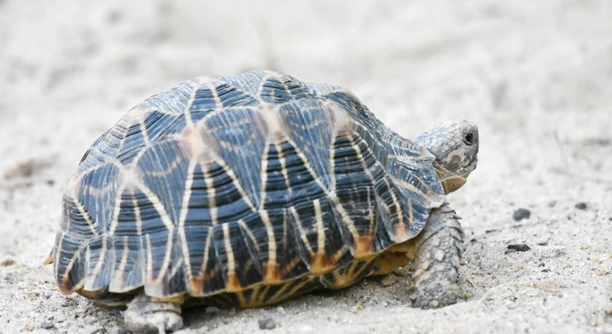
Is your turtle showing signs of discomfort or pain? Recognizing these signs early can make a significant difference in their well-being and recovery. Understanding how to identify pain in your turtle can help ensure they receive the right care.
The key signs of pain in turtles include changes in behavior, such as lethargy, loss of appetite, and altered swimming patterns. Physical indicators like limping, unusual shell movements, or labored breathing can also signal distress.
Recognizing these symptoms will allow you to act quickly, ensuring your turtle receives the proper care and attention it needs.
Understanding Changes in Behavior
When your turtle is in pain, one of the first things you’ll notice is a change in behavior. Turtles are usually active creatures that enjoy swimming and exploring their environment. If you notice that your turtle is spending more time hiding or remains inactive for long periods, it could be a sign they’re feeling unwell. A turtle that is in pain may also be more aggressive or avoid interaction with you, which is not typical of their usual behavior. Loss of appetite is another warning sign. A turtle that is normally eager to eat but suddenly loses interest in food is likely dealing with discomfort. In these cases, it’s essential to observe your turtle closely and make note of any changes in their routine. Addressing these signs early can help you figure out what’s wrong and get your turtle the care it needs.
If your turtle is staying in one spot for extended periods, it’s important to investigate further. Pain might cause them to seek comfort in a more still position.
Additionally, pay attention to any signs of stress or restlessness, as these can indicate that something is not right. Keep an eye on any changes in behavior and consult a vet if needed.
Physical Symptoms to Watch For
Pain in turtles can also manifest physically. This might include limping, difficulty swimming, or uneven movements. When a turtle is in pain, it may struggle to lift its head or might show a shift in posture. These signs indicate that the turtle is likely having trouble with mobility. Another clear indicator of pain is labored breathing or shallow breaths, which may suggest internal discomfort or respiratory issues. If your turtle’s shell appears cracked, discolored, or swollen, it is important to seek veterinary help immediately. Shell issues can be caused by infections or injuries and can cause considerable pain for your turtle. If you notice any of these physical signs, it’s crucial to act quickly.
Sometimes, a turtle will show physical discomfort by altering its usual movements. If they’re slow to move or hesitate when swimming, this is a clear indication that something is wrong. You should monitor your turtle’s movements carefully to catch subtle changes.
Pain is often a sign of an underlying issue, whether from injury, infection, or disease. Taking note of these changes can help you identify problems early.
Loss of Appetite
A sudden loss of appetite is a clear sign that your turtle might be in pain. This could happen for several reasons, including illness or discomfort. A healthy turtle typically shows excitement when it’s time to eat, but pain can make them less interested in food.
If your turtle is refusing food for more than a day, it’s important to take notice. A change in their feeding habits can be a sign of a variety of issues, such as an infection or internal injury. Avoid forcing food into their mouth, as this could stress them further. If the issue persists, it’s best to consult a veterinarian.
Turtles are creatures of habit, and a sudden change in appetite could also indicate that their environment has caused stress or discomfort. Temperature changes or tank conditions can be stressful for a turtle, leading to reduced eating. Assess their living space and make sure it’s comfortable.
Abnormal Swimming Behavior
If your turtle is swimming erratically or struggling to stay afloat, it’s likely experiencing pain. This could be a sign of internal discomfort, a shell injury, or a respiratory issue. These issues often affect a turtle’s buoyancy, causing them to have difficulty swimming.
Watch for signs like a turtle struggling to maintain balance in the water or floating on one side. Sometimes, a turtle might swim in circles or appear disoriented. These changes are often a result of pain or illness, which affects their coordination and physical ability to swim.
If you notice these behaviors, it’s important to provide a calm and clean environment while seeking professional help. A veterinarian can assess the turtle’s condition and provide appropriate treatment.
Labored Breathing
If your turtle is breathing heavily or more frequently than usual, this could indicate pain. Labored breathing is a sign that something is wrong, potentially due to a respiratory issue, infection, or injury.
Watch for shallow or rapid breathing, which could also indicate stress or discomfort. Turtles naturally breathe slowly, so any noticeable change in their breathing patterns should be addressed immediately.
Swollen or Discolored Shell
A swollen or discolored shell can be a painful sign of infection or injury. This is a serious issue and should be looked at by a veterinarian.
The shell might appear soft, swollen, or discolored if there’s an underlying problem. If the shell is cracked or feels warm to the touch, it could indicate an infection that needs immediate attention.
Hesitant Movement
Pain may cause your turtle to move slowly or hesitate when it’s time to move. This is often seen with injuries or discomfort.
Your turtle might avoid walking or swimming because of pain. This change in movement is one of the most common ways turtles show they’re in distress, and it’s essential to monitor them closely.
FAQ
How can I tell if my turtle is in pain?
The signs that your turtle is in pain may vary, but common indicators include changes in behavior, such as lethargy, loss of appetite, and difficulty moving. Pain can also cause physical symptoms like labored breathing, a swollen or discolored shell, and abnormal swimming patterns. If your turtle is avoiding interaction, hiding more often, or acting aggressive, these may also be signs of distress.
What should I do if my turtle is in pain?
If you notice signs of pain, it’s important to take action quickly. Start by assessing their environment to rule out stress factors like poor tank conditions or extreme temperatures. If the issue persists, a visit to the vet is necessary. A professional will be able to diagnose the problem and provide the correct treatment.
Can a turtle heal from an injury?
Yes, turtles can recover from injuries, but healing can take time. Minor cuts or scratches may heal on their own, especially if the turtle is in a clean and stable environment. More serious injuries, like shell cracks or internal damage, require veterinary care. Always ensure that your turtle’s living conditions are optimal to support recovery.
How can I help my turtle feel more comfortable?
To help your turtle feel more comfortable, provide a clean and quiet environment with the right temperature and humidity levels. A comfortable basking area, appropriate lighting, and a proper water filter are essential. Reduce stress by limiting handling and providing hiding spots. If the turtle is still in pain, it’s best to get professional advice.
What could cause my turtle to stop eating?
A loss of appetite can be caused by several factors, including illness, pain, stress, or changes in their environment. It could be a sign of an infection, an internal issue, or a problem with the water temperature or quality. If your turtle refuses food for an extended period, it’s best to consult a vet.
How do I know if my turtle’s shell is damaged?
Signs of shell damage include visible cracks, soft spots, or unusual discoloration. If your turtle’s shell is swollen, warm to the touch, or appears deformed, this could be a sign of infection or injury. Any damage to the shell should be addressed by a veterinarian to prevent further complications.
Is it normal for turtles to breathe quickly?
No, turtles typically breathe slowly. Rapid or labored breathing can be a sign of stress, infection, or pain. If your turtle is breathing heavily or showing signs of respiratory distress, it’s important to take them to the vet. Proper water temperature and a clean environment can help prevent some breathing issues.
How can I tell if my turtle has a respiratory infection?
Respiratory infections in turtles often manifest as wheezing, coughing, or labored breathing. You may also notice your turtle keeping its mouth open or having nasal discharge. Swelling around the neck area or a decrease in appetite are additional signs. These infections require immediate veterinary attention.
Can a turtle recover from a respiratory infection?
Yes, with proper treatment, turtles can recover from respiratory infections. Treatment typically involves antibiotics, and the turtle’s environment must be carefully monitored to ensure it’s optimal for healing. Keeping the water temperature stable and clean is also crucial for recovery.
Why is my turtle swimming in circles?
Swimming in circles can be a sign of pain, disorientation, or a neurological issue. It may also happen if the turtle is stressed or uncomfortable in its environment. This behavior should not be ignored, and a veterinarian should examine your turtle to determine the cause and provide appropriate treatment.
What should I do if my turtle has an infected shell?
If your turtle’s shell appears infected, it’s important to act quickly. Signs of shell infection include swelling, redness, and a foul odor. You should immediately consult a veterinarian who can clean the shell and administer the proper medication. Avoid handling the turtle excessively during this time to prevent further stress.
Why is my turtle avoiding water?
Turtles are aquatic animals, but if they’re avoiding the water, it may be due to stress or discomfort. This behavior could indicate that the water quality is poor or that the water temperature is too cold or too hot. If the water conditions are fine and the behavior continues, it’s time to consult a vet.
How can I tell if my turtle is stressed?
Stress in turtles can be shown through abnormal behavior, such as hiding, aggressive movements, or refusing food. Poor tank conditions, environmental changes, or excessive handling can cause stress. Ensure your turtle’s environment is stable, and limit handling to reduce stress levels.
Is it okay to handle a turtle that is in pain?
It’s best to avoid excessive handling when your turtle is in pain. While gentle handling might be necessary for veterinary care, too much contact can increase stress and discomfort. Allow your turtle to rest and recover in a calm, quiet environment to help them heal faster.
How do I provide the best environment for my turtle?
The best environment for your turtle includes a clean tank with the proper water temperature, a UVB light for basking, and a filter to maintain water quality. Provide hiding spots and ensure the tank is large enough for the turtle to move comfortably. Regularly monitor the water parameters and adjust them as needed.
Final Thoughts
Recognizing the signs that your turtle is in pain is essential for ensuring its well-being. Turtles may not show pain the same way other pets do, making it harder to spot problems early on. However, by paying attention to their behavior and physical changes, you can take the necessary steps to help them. Whether it’s labored breathing, a swollen shell, or changes in movement, these signs should never be ignored. A proactive approach can often prevent more serious issues from developing.
If you notice any symptoms of pain or discomfort, it’s crucial to act quickly. Providing a clean, calm environment is the first step in addressing potential stress or pain. For more serious health concerns, a visit to the vet should be your next course of action. Veterinarians specializing in reptiles can offer the most effective treatments for turtles in pain, ensuring that they get the care they need to recover. The sooner you seek help, the better the chances are for your turtle’s recovery.
Finally, maintaining a proper living environment is key to preventing future health issues. Regularly check the water temperature, cleanliness, and lighting in your turtle’s habitat. Stress caused by poor living conditions can contribute to pain or illness. By following these steps and staying alert to any changes in your turtle’s behavior, you can ensure they live a long, healthy life. Keeping your turtle happy and pain-free is an ongoing responsibility, but it’s one that will pay off in the form of a healthier, more content pet.

Hello,
If you enjoy the content that we create, please consider saying a "Thank You!" by leaving a tip.
Every little bit helps us continue crafting quality advice that supports the health, happiness, and well-being of pets around the world, for pets of all shapes, sizes, and species.
We really appreciate the kindness and support that you show us!