
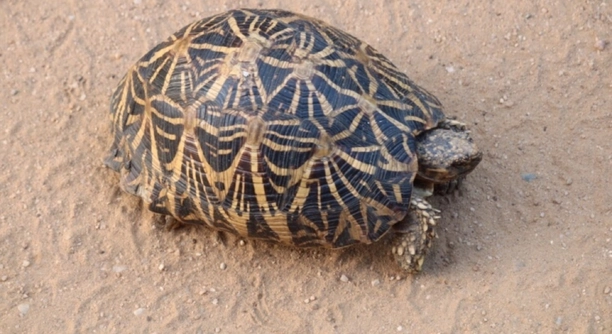
A healthy, comfortable habitat is key to your turtle’s well-being. One important factor is ensuring your turtle has enough space to thrive. If you’ve been noticing certain behaviors or changes in your turtle’s environment, it might be time for an upgrade.
Turtles require ample space to move, explore, and grow. When their tank is too small, they may experience stress, reduced activity, and other health issues. Recognizing the signs that your turtle needs a bigger tank can prevent these problems.
Recognizing the signs early on can make a big difference in your turtle’s quality of life. It’s essential to provide the right environment for their growth and well-being.
Tank Looks Overcrowded
When your turtle’s tank looks cramped, it’s a clear sign that it’s time for more space. Turtles naturally enjoy exploring, swimming, and basking. If the tank feels crowded, they may not have enough room to engage in these essential activities. This can lead to stress, frustration, and even health issues. Overcrowding can cause turtles to fight over territory, increasing their risk of injury. If you find your turtle constantly bumping into decorations or other turtles, it’s time to evaluate the size of their tank.
If you observe your turtle not using all areas of its tank, it’s likely a sign that the space isn’t meeting their needs. This could mean it’s too small for the number of turtles or the types of accessories you’ve added.
Remember that turtles grow. What seemed like a spacious tank when they were small may no longer suit them as they grow in size. It’s crucial to upgrade to a larger tank, one that allows for swimming, basking, and having their own space to roam freely. The bigger the space, the better their chances for a healthy, active lifestyle.
Water Quality Deteriorates Quickly
A smaller tank often means water quality drops faster. In a cramped environment, waste builds up quicker than a turtle can handle it. This can lead to unhealthy water conditions, which can stress out your turtle and cause illness.
When your turtle has more space, it becomes easier to maintain clean water. The tank has more room for a proper filtration system, which means water stays healthier for longer. Regular water changes also become less demanding with a larger tank, making it simpler to manage overall.
In smaller tanks, waste doesn’t get filtered properly. The high concentration of bacteria and toxins can harm your turtle’s health, potentially leading to shell rot or respiratory infections. Larger tanks allow for a more balanced ecosystem, which supports your turtle’s health. If you notice frequent algae growth or water becoming murky quickly, it could be a sign your turtle’s tank is too small for them. A bigger tank makes a significant difference in maintaining clean, healthy water, which is vital for your turtle’s well-being.
Your Turtle is Less Active
If your turtle is spending more time hiding or lounging than swimming, it may be a sign that the tank is too small. Lack of space can make turtles feel trapped, leading them to become less active.
A turtle needs space to swim freely and explore its environment. A cramped tank limits its movement, making it harder for the turtle to maintain a healthy level of activity. Activity is important not only for their physical health but also for their mental stimulation. Turtles in smaller tanks often become lethargic, and you may notice they eat less or become more prone to illness.
Providing a larger tank gives your turtle the room it needs to remain active and engaged. With more space, your turtle can move around freely, stay healthy, and enjoy its habitat. This not only improves their health but also ensures that they live a more fulfilling life.
Growth Outpaces Tank Size
Turtles grow steadily, and their needs will change as they do. A tank that worked for your turtle as a baby might no longer be suitable once it matures.
If you’ve noticed your turtle growing faster than expected, it’s likely time to upgrade the tank. Turtles can reach impressive sizes, depending on their species, and a small tank can quickly become overcrowded. When they outgrow their space, they can feel stressed, which affects their overall health. If your turtle seems cramped or unable to move comfortably, their size is outgrowing their living conditions.
Upgrading to a bigger tank helps ensure that your turtle has enough room to grow without compromising its health. A larger tank can support its physical development, offering enough space for swimming, basking, and moving around. The right tank size will help your turtle thrive, not just survive.
Tank Furniture Takes Up Too Much Room
If your turtle’s tank is filled with large decorations, plants, or rocks, it could be taking up valuable space. This can make the tank feel overcrowded and uncomfortable for your turtle.
Large tank accessories can limit your turtle’s ability to swim freely, reducing their quality of life. Overcrowding the tank with items also makes it harder to keep the water clean and can increase the risk of injury. Keep tank accessories minimal to provide more space for your turtle.
Inadequate Swimming Space
Turtles need enough swimming area to stretch out and move comfortably. A small tank can restrict their movement and cause stress.
Without adequate swimming space, your turtle may not exercise enough, leading to health problems such as obesity or shell deformities. Providing a bigger tank allows your turtle to move more freely, promoting better health and overall well-being.
FAQ
How big should my turtle’s tank be?
The size of your turtle’s tank depends on its species and size. A general guideline is to provide 10 gallons of water for every inch of shell length. For example, if your turtle is 4 inches long, it needs at least a 40-gallon tank. As your turtle grows, the tank size should increase accordingly to ensure it has enough space to swim and bask comfortably. Keep in mind that larger tanks are always better for your turtle’s health. A spacious tank helps maintain water quality and gives your turtle room to move freely, which supports a more active lifestyle.
Can I keep multiple turtles in the same tank?
It’s possible to keep multiple turtles together, but there are several factors to consider. First, ensure that the tank is large enough to accommodate all of them without overcrowding. For every additional turtle, you’ll need to add at least 10 more gallons to the tank. Turtles can be territorial, so you may need to monitor their behavior for signs of aggression. If aggression occurs, it might be necessary to separate them. Also, providing enough basking spots, hiding spaces, and decorations can reduce competition for space and resources.
How can I tell if my turtle is stressed?
Turtles show several signs when they’re stressed, including hiding more than usual, not eating, or swimming erratically. Stress can be caused by overcrowding, poor water quality, or inadequate tank size. If you notice these signs, it’s important to evaluate your turtle’s environment. Ensure they have enough space to swim, bask, and explore. Additionally, check the water temperature, filtration, and cleanliness, as poor water conditions can lead to stress. Making adjustments to the tank can help reduce stress and improve your turtle’s overall health.
Is it better to have a larger tank or a smaller one?
A larger tank is almost always better for your turtle. Turtles need space to swim, explore, and bask in order to stay healthy. A smaller tank can cause your turtle to feel cramped, leading to stress and behavioral problems. Additionally, water quality in a smaller tank deteriorates faster, which can lead to illness. A larger tank offers more room for swimming and helps maintain better water conditions. It also gives you more options for decorations, hiding places, and basking areas. Investing in a larger tank will provide your turtle with a more comfortable and healthier environment.
How often should I clean my turtle’s tank?
The frequency of tank cleaning depends on the size of the tank, the number of turtles, and the filtration system. Generally, you should do a partial water change (about 25-30%) every 1-2 weeks. In addition, clean the tank thoroughly every month to remove waste and prevent the build-up of harmful bacteria. It’s important to monitor the water’s condition regularly and perform spot cleanings when necessary, especially if you notice debris or excess algae. Keeping the tank clean helps maintain a healthy environment for your turtle, preventing health issues caused by dirty water.
What is the best way to set up a turtle tank?
Setting up a turtle tank involves more than just filling it with water. First, choose an appropriately sized tank. Add a reliable filtration system to keep the water clean. Include both a swimming area and a basking area with a heat lamp for your turtle to dry off and regulate its body temperature. Include decorations like rocks, logs, or plants to provide hiding spots and exploration opportunities. Make sure to maintain the proper water temperature and pH level for your specific turtle species. Finally, monitor water quality with a testing kit to ensure your turtle’s habitat is optimal.
Can I use a glass tank for my turtle?
Yes, glass tanks are commonly used for turtles and can be a good option. They are easy to clean, durable, and allow you to easily see your turtle. However, make sure the tank is large enough to meet the needs of your turtle. Glass tanks are also prone to scratching, which can be unsightly over time. If using a glass tank, be sure to use a reliable filter system to prevent water quality from deteriorating too quickly. You should also consider the tank’s weight and accessibility for cleaning.
What type of filter should I use for my turtle tank?
The type of filter you need depends on the size of the tank and the number of turtles. Canister filters are often recommended for larger tanks as they provide powerful filtration and help keep the water clean. For smaller tanks, a hang-on-back filter may be sufficient. The filter should be able to handle the volume of water in the tank, so it’s important to select one rated for a tank size that is appropriate for your turtle. Regular maintenance of the filter is also essential to keep it functioning properly and ensure clean water for your turtle.
How can I maintain water temperature in a turtle tank?
Maintaining the right water temperature is essential for your turtle’s health. Most turtles require water between 75°F and 85°F (24°C to 29°C). You can use a submersible aquarium heater to regulate the temperature. Be sure to place the heater in an area with good water circulation. Additionally, consider using a thermometer to regularly check the water temperature and make adjustments if needed. Avoid drastic temperature changes, as sudden shifts can stress your turtle. Having a heat lamp for the basking area will also help maintain the right temperature for both water and air.
How can I prevent my turtle from escaping?
Turtles are surprisingly skilled at escaping, especially if the tank is not properly secured. To prevent this, make sure the tank has a secure, tightly fitting lid. If you use a basking platform, make sure it’s not easily climbable for your turtle. Some turtles can climb smooth surfaces, so it’s important to ensure that the tank’s walls are high enough or have a lid with no gaps. Additionally, check regularly for signs that your turtle might be attempting to escape, such as trying to climb out or pushing against the sides.
When caring for a turtle, one of the most important things to consider is the size of their tank. A proper tank provides enough space for your turtle to swim, bask, and explore, which are essential for its health. Turtles naturally enjoy moving around, and a cramped environment can cause stress and hinder their overall well-being. It’s important to pay attention to signs like inactivity, poor water quality, and overcrowding, as these are all indicators that your turtle may need a bigger space to thrive.
Choosing the right tank size depends on the type and size of your turtle. As they grow, their space needs will change, so be prepared to upgrade the tank over time. For example, smaller species may start in a 20-gallon tank, but they’ll eventually need a 40-gallon or larger tank as they grow. Providing a bigger tank early on can help avoid stress and health problems down the road. The extra space will also help maintain cleaner water, which is crucial for preventing illnesses and keeping your turtle active.
In the long run, creating a spacious and comfortable tank for your turtle will benefit both of you. A happy, healthy turtle is more likely to be active, engaged, and easier to care for. By ensuring that your turtle’s environment is spacious enough, you’re not just addressing immediate needs but also providing a solid foundation for their future health. It’s always better to err on the side of a larger tank, as it gives your turtle the freedom to grow and live comfortably.

Hello,
If you enjoy the content that we create, please consider saying a "Thank You!" by leaving a tip.
Every little bit helps us continue crafting quality advice that supports the health, happiness, and well-being of pets around the world, for pets of all shapes, sizes, and species.
We really appreciate the kindness and support that you show us!