
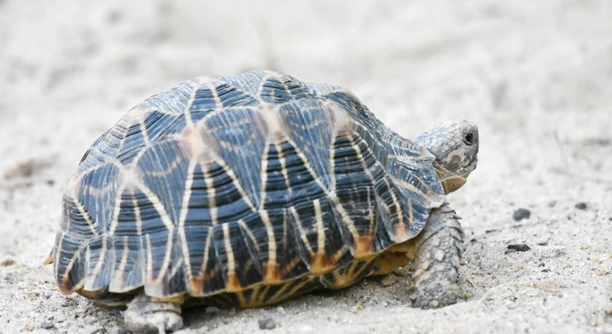
If your turtle isn’t growing as expected, there may be underlying factors at play. Understanding these factors can help ensure your turtle thrives and develops properly. Identifying the root cause of the issue is essential.
The main reasons your turtle may not be growing properly include poor nutrition, inadequate habitat conditions, or a health issue. A balanced diet, appropriate lighting, temperature, and access to clean water are essential for your turtle’s growth and well-being.
Ensuring proper care for your turtle can make a significant difference in its growth. Identifying and addressing the issue early can lead to a healthier and happier turtle.
Nutrition and Diet: Key Factors for Growth
A well-balanced diet is essential for your turtle’s proper growth. Turtles need a mix of proteins, vegetables, and vitamins to grow at a healthy rate. Common mistakes include overfeeding or underfeeding, which can slow growth or lead to obesity. Without the proper nutrients, your turtle may struggle to develop. A diet that lacks variety, such as only feeding commercial pellets, can also prevent your turtle from getting the necessary vitamins and minerals. Offering a wide range of foods such as leafy greens, small fish, and occasional insects is a great way to keep your turtle healthy.
A lack of vitamins, especially vitamin A and calcium, can hinder growth. These nutrients are critical for your turtle’s shell and bone development. Ensure your turtle’s diet includes foods rich in these vitamins or consider supplements if needed.
Adjusting your turtle’s diet is a simple yet effective way to support its growth. Changing what it eats can help it thrive and grow at the right pace. Always keep track of the foods you offer to avoid deficiencies.
Habitat Conditions: Temperature and Lighting
Habitat conditions play a big role in your turtle’s growth. Turtles are cold-blooded animals, so they depend on external heat sources to regulate their body temperature. Without proper basking spots and UV lighting, your turtle may not grow as expected. Turtles require a specific temperature range, typically between 75°F and 85°F in their habitat, with a warmer basking area around 90°F.
Providing proper UVB light is just as crucial. UVB light helps turtles absorb calcium from their diet, which is vital for bone and shell health. Lack of UVB exposure can lead to weakened bones and stunted growth. Always make sure the light source is positioned correctly and replace it regularly to ensure proper UVB output.
Maintaining the right environment with heat and lighting helps create the conditions necessary for your turtle’s growth. Monitoring the temperature and light can prevent many common growth issues. Make these changes to see improvements in your turtle’s health.
Health Issues to Look For
If your turtle isn’t growing, it might be dealing with a hidden health problem. Common issues include parasites, infections, or metabolic bone disease. These conditions can seriously hinder growth and affect overall well-being. It’s important to observe any signs of illness, such as lethargy, lack of appetite, or abnormal shell growth. Early detection is crucial for a proper treatment plan.
If you notice any unusual behavior or symptoms, consult a vet who specializes in reptiles. They can help diagnose the issue and recommend a treatment plan. Delaying treatment for any health problems can lead to more severe complications. Regular check-ups and monitoring your turtle’s condition will help keep it healthy.
A healthy turtle will grow consistently. Any signs of illness should not be ignored. Addressing health concerns early ensures your turtle’s growth is not disrupted. Make sure to seek professional help if you notice anything unusual about your turtle’s behavior or appearance.
Overcrowding and Space Limitations
Turtles need adequate space to thrive. An overcrowded tank can lead to stress, which can impact your turtle’s growth rate. A small, cramped environment prevents them from getting enough exercise and can even cause fighting among tank mates. Stress from overcrowding can lead to poor feeding habits and a weakened immune system.
To avoid overcrowding, make sure your turtle has enough space in its tank. A 40-gallon tank is often recommended for one adult turtle. Make sure there’s plenty of room for your turtle to move freely, bask, and swim. A well-maintained tank is essential for your turtle’s health and growth. Keeping the tank clean and providing hiding spots can help reduce stress and encourage healthy growth.
Stress-free living conditions are crucial for your turtle’s well-being. A spacious tank will allow it to grow properly. If your turtle seems sluggish or unhappy, consider evaluating its living space to ensure it has the room it needs.
Poor Water Quality
Clean water is essential for a turtle’s growth. Contaminated or dirty water can lead to infections and poor health. Turtles rely on their environment for hydration and cleanliness. Regular water changes and proper filtration are necessary for maintaining a healthy habitat.
Water that’s too dirty can stress your turtle, leading to a lack of appetite or lethargy. A clean tank helps to prevent diseases and supports healthy growth. Keeping water at the right temperature is just as important, as cold or hot water can also harm your turtle. Make sure to regularly monitor and clean the water.
Inadequate Exercise
Turtles need exercise to develop strong muscles and grow properly. A lack of space or stimulation can hinder their physical development. Turtles naturally swim, climb, and explore, and these activities help them stay active.
Providing an environment where your turtle can move around freely encourages natural behaviors. Exercise is not only important for physical health but also for mental stimulation. Regular activity helps maintain muscle strength and overall well-being. Keep your turtle engaged by offering different environments to explore and swim in, helping to boost its growth and health.
Temperature Fluctuations
Turtles rely on specific temperatures for proper growth. If the tank temperature fluctuates too much, it can cause stress or hinder metabolism. Maintaining a stable environment is essential to your turtle’s health.
Constant temperature changes can result in poor digestion, loss of appetite, and even illness. It’s important to monitor both water and air temperatures in the tank. Keeping them within the recommended range ensures that your turtle can regulate its body temperature and remain healthy.
FAQ
Why is my turtle not eating?
A turtle not eating can be caused by a number of factors. Stress from changes in the environment, such as water temperature or new tank mates, can reduce appetite. Illness or improper diet can also lead to a lack of interest in food. If your turtle refuses food for more than a few days, it’s important to check its habitat conditions and ensure everything is in order. Sometimes, offering a variety of foods can spark their interest. If the problem persists, a vet visit is recommended to rule out health issues.
How much should I feed my turtle?
The amount you should feed your turtle depends on its age, size, and species. Generally, adult turtles can be fed every two to three days, while younger turtles need daily feedings. A good rule of thumb is to feed your turtle an amount that it can consume within 10-15 minutes. Avoid overfeeding as it can lead to obesity, which can cause health problems. Make sure to provide a balanced diet with a variety of proteins, vegetables, and vitamins. Adjust portion sizes if you notice weight changes in your turtle.
Can I use tap water for my turtle tank?
Tap water can be used, but it may need treatment first. Tap water often contains chlorine or chloramine, which can be harmful to your turtle. You can either use a water conditioner to remove these chemicals or let the water sit for 24 hours to allow chlorine to dissipate. Make sure to monitor water quality regularly and perform frequent water changes. A good filtration system is also important to keep the water clean and safe for your turtle.
How do I know if my turtle is sick?
Signs of illness in turtles include lethargy, loss of appetite, floating or sinking abnormally, and changes in shell appearance (such as soft spots or discoloration). If you notice any of these symptoms, it’s crucial to take your turtle to a reptile vet for a proper diagnosis. Other signs include swollen eyes, respiratory issues (bubbling or wheezing), or a shell that’s developing an odd texture. Early detection is key to preventing more serious issues, so don’t delay seeking help if you see something unusual.
What temperature should my turtle tank be?
Turtles are cold-blooded, meaning they rely on external heat sources to regulate their body temperature. The water temperature should be kept between 75°F and 85°F, and the basking area should be about 90°F. If the temperature in the tank is too low or too high, it can stress your turtle and affect its digestion and immune system. A thermometer in both the water and the basking area will help ensure the temperature is stable and suitable for your turtle’s needs.
Can turtles live with other pets?
Turtles can live with other pets, but it requires careful consideration. For example, other turtles or reptiles can be kept together, but aggression or territorial behavior might arise, so make sure the tank is large enough and provides hiding spots. If you want to keep turtles with fish or other aquatic pets, make sure the fish are large enough not to be viewed as food by your turtle. Never introduce animals that might harm the turtle, and keep an eye on the interactions to ensure they remain peaceful.
How often should I change the water in my turtle’s tank?
Water changes depend on the size of the tank and the number of turtles in it. Generally, it’s a good idea to change 25-50% of the water every 1-2 weeks. If you have a filtration system, you can go longer between water changes, but regular cleaning is still necessary. Always check the water quality with a test kit to ensure it’s safe for your turtle. Dirty water can cause stress, infections, and other health problems for your turtle, so keeping the tank clean is essential for its well-being.
Why is my turtle’s shell soft?
A soft shell can be a sign of metabolic bone disease, often caused by a lack of calcium or improper lighting. Turtles need a proper UVB light source to metabolize calcium properly, and without it, their bones and shells can become weak and soft. Ensure your turtle has access to UVB light for 10-12 hours a day and that it’s eating calcium-rich foods like leafy greens or supplements. If the shell is significantly soft or the turtle shows other signs of illness, take it to a vet for further evaluation.
How long do turtles live?
Turtles can live for a very long time, often 20 to 50 years depending on the species. Some turtles, like the box turtle, can live over 100 years. Proper care, including a balanced diet, proper lighting, and regular vet check-ups, can help ensure your turtle lives a long and healthy life. Remember, owning a turtle is a long-term commitment, so be prepared to care for it for many years.
What do I do if my turtle is basking too much?
Basking is an important behavior for turtles, as it helps them regulate body temperature and absorb UVB light. However, excessive basking could be a sign of an underlying issue, such as improper water temperature or a health problem. Check the water temperature to ensure it’s within the appropriate range. If your turtle continues to bask excessively, it may be a good idea to consult with a vet to rule out any health concerns.
Final Thoughts
Turtle care requires attention to detail and consistency. Many factors contribute to a turtle’s growth, including its diet, water quality, temperature, and overall habitat. By ensuring that your turtle has a clean and well-maintained environment, you can help it grow to its full potential. Regularly monitoring these aspects of its care will prevent issues that may hinder growth or cause health problems. It’s essential to remember that turtles are sensitive creatures, and even small changes in their habitat can affect their well-being. Staying informed about proper care practices is the key to a healthy and thriving turtle.
As you continue to care for your turtle, consider its long-term needs. Turtles are not short-term pets and can live for many years with the right care. Providing proper lighting, nutrition, and space is crucial for their physical and mental health. Keeping track of its behavior and growth over time can help you spot any potential issues early on. If you notice signs of poor health, take action right away. Early intervention is often the difference between a minor issue and a more serious problem that requires medical attention. Consistent care and attention are key to maintaining a healthy environment for your turtle.
While it might take time and effort to get everything just right, the reward of seeing your turtle grow and thrive is worth it. Whether you’re a new turtle owner or have had one for years, maintaining a stable, clean, and comfortable habitat is essential. Don’t hesitate to ask for help if you’re unsure about something or if your turtle shows signs of illness. The more you learn about their needs, the better care you can provide. With patience and attention, your turtle will have the best chance at a long, healthy life.

Hello,
If you enjoy the content that we create, please consider saying a "Thank You!" by leaving a tip.
Every little bit helps us continue crafting quality advice that supports the health, happiness, and well-being of pets around the world, for pets of all shapes, sizes, and species.
We really appreciate the kindness and support that you show us!