
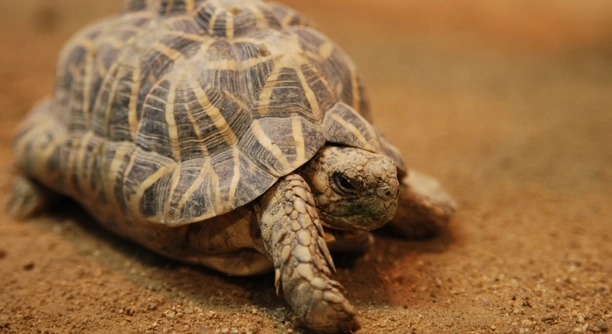
Turtles are fascinating pets that bring a unique charm to your home. They may not demand constant attention, but they certainly enjoy interaction in their own special way. Engaging with your turtle can strengthen your bond.
There are various ways to engage with your pet turtle, from interactive feeding sessions to creating enriching environments. These activities can promote healthy behavior, stimulate their minds, and allow you to enjoy a deeper connection with your pet.
Exploring these activities will help you keep your turtle happy and healthy, creating fun moments for both of you.
Create a Stimulating Habitat
Turtles need an environment that keeps them both physically and mentally active. A well-designed tank or enclosure can make a huge difference. Adding items like rocks, plants, and water features provides opportunities for exploration and exercise. Turtles are naturally curious creatures, so giving them a space that encourages movement and exploration will keep them engaged. It’s important to make sure their habitat is both safe and stimulating. The right environment will help your turtle thrive.
Creating a habitat full of places to hide or climb will prevent boredom. These activities mimic the turtle’s natural behavior.
Adding a variety of textures such as sand, rocks, or smooth surfaces will allow your turtle to explore different environments. Ensure your pet has a clean area to bask, too, as it’s important for their health. A few plants, both real and artificial, will give your turtle something to interact with while adding beauty to their enclosure. A water feature such as a shallow pond is also a great option. Regularly cleaning and adjusting the environment is key to maintaining a healthy space for your turtle.
Offer a Variety of Foods
Turtles enjoy variety when it comes to food. Offering different types of foods will keep mealtime exciting for them.
While it’s essential to feed your turtle a balanced diet, adding variety can prevent monotony. Mixing in fresh vegetables, fruits, and protein will make feeding time enjoyable. Be sure to avoid feeding them unhealthy or toxic foods.
Try introducing a mix of leafy greens like kale or collard greens, and add fruits like berries or melons as treats. Some turtles also enjoy protein sources like earthworms or insects, which provide extra stimulation and variety. The key is to offer fresh, nutrient-rich options while avoiding overfeeding. Keep a routine for meal times to ensure your turtle stays healthy. Regularly changing their food keeps them interested and satisfied, making meal times more fun for both of you.
Let Them Swim
Turtles need swimming time to stay healthy. Fresh water and regular access to a clean, spacious pool help them maintain proper health. The water should be kept at the correct temperature for your turtle’s species to stay active.
Turtles naturally enjoy the water, and it’s important to provide them with enough space to swim freely. A larger tank or pond encourages exercise, which keeps their muscles and joints strong. For turtles in tanks, ensure the water is deep enough for them to dive, and make sure they can easily get in and out. Regular cleaning of the tank water will prevent bacteria growth and ensure they have a safe environment to swim in.
Remember that turtles also need a basking area, where they can dry off and soak up some heat. A proper basking spot is necessary to regulate their body temperature. Balancing swimming and basking time is essential for your turtle’s well-being. It creates a routine that keeps them comfortable.
Interact Through Training
You can train your turtle using simple tricks. Turtles are smarter than they often get credit for and respond well to positive reinforcement. Training them can help strengthen your bond.
Start with basic tasks like coming to the edge of the tank when called. Use treats to encourage your turtle to associate the sound of your voice with something positive. Over time, your turtle may learn to follow commands or come closer for meals. It’s important to stay patient, as turtles take their time to process information.
Training also encourages mental stimulation, helping prevent boredom. Simple tasks, such as gently guiding your turtle with your finger or using a toy to move them around, can be fun and beneficial. Keep sessions short and enjoyable so that your turtle doesn’t get stressed.
Give Them a Safe Space
Turtles enjoy having a place to retreat to when they need peace. A hiding spot in their enclosure allows them to rest and feel secure. It helps them avoid stress.
A small cave or sheltered area in the tank provides the perfect refuge. This spot allows your turtle to hide and feel safe when they’re not swimming or basking. It’s essential for your turtle to have a quiet place where they can relax away from the noise and movement around them. A safe space helps keep your turtle calm and balanced.
Offer Interactive Toys
Turtles like to engage with objects in their environment. Using safe, floating toys can encourage your turtle to play and explore.
You can provide floating toys like plastic balls or soft objects that won’t harm them. These toys are perfect for turtles to nudge and move around, stimulating both their mind and body. Toys can also help with natural behaviors like foraging or investigating. Make sure the toys are non-toxic and easy for your turtle to interact with.
Provide Natural Sunlight
Turtles need natural sunlight to stay healthy. Exposure to sunlight helps them produce vitamin D3, which is essential for their shell and bone health.
Placing your turtle in a sunny spot for a short period each day can help maintain its overall well-being. A sunny windowsill or outdoor enclosure can provide the right amount of UV light. Be cautious not to leave your turtle in direct sunlight for too long to avoid overheating or dehydration.
FAQ
How often should I feed my pet turtle?
The frequency of feeding depends on the age and species of your turtle. For young turtles, feed them daily, while adult turtles typically need feeding every other day. It’s important to offer a balanced diet consisting of leafy greens, protein, and occasional treats. Monitor your turtle’s weight and health to adjust feeding schedules if necessary.
What temperature should the water in my turtle’s tank be?
Turtles need water temperature specific to their species. Generally, a temperature range of 75°F to 80°F (24°C to 27°C) is ideal for most species. The basking area should be warmer, around 85°F to 90°F (29°C to 32°C). Be sure to use a reliable aquarium heater to maintain consistent temperature levels.
Can I take my turtle outside?
Yes, you can take your turtle outside, but only if it’s safe and the weather is appropriate. Ensure the area is secure, with no predators or escape routes. Outdoor time offers natural sunlight, which is great for your turtle’s health. Keep the time short and supervise them to avoid overheating.
How can I tell if my turtle is stressed?
Signs of stress in a turtle include decreased appetite, lethargy, and excessive hiding. If your turtle is swimming in circles or scratching at the tank walls, this could also indicate stress. It’s important to create a comfortable environment with enough space, clean water, and hiding spots to reduce stress.
How long can turtles live?
Turtles can live a long time, with some species living for decades. On average, most turtles live between 20 to 40 years, while some can reach 50 years or more. Factors such as diet, habitat, and species determine their lifespan. Providing a healthy, enriched environment will help extend their life.
What kind of tank do I need for my turtle?
A turtle’s tank should be spacious enough for it to swim freely and have a basking area. A general rule is to have 10 gallons of water per inch of shell length for smaller species. The tank should have both water and dry areas, a filter, and UVB lighting for proper health.
Do turtles need a basking light?
Yes, turtles need a basking light to regulate their body temperature and promote healthy shell growth. The basking area should have a heat lamp that provides warmth and UVB light to help with vitamin D3 production. Make sure the light is positioned to allow your turtle to get the right amount of heat.
What should I do if my turtle isn’t eating?
If your turtle stops eating, it could be due to stress, illness, or improper water temperature. Check the tank’s water conditions and temperature to make sure they’re within the ideal range. If your turtle continues to refuse food for an extended period, consult a vet to rule out health issues.
Can I keep multiple turtles together?
Yes, but it depends on the species and their temperament. Some turtles can coexist peacefully, while others may become territorial. If you’re housing multiple turtles, make sure there’s enough space and hiding spots to prevent aggression. You should monitor their behavior and separate them if necessary.
Do turtles need to be cleaned regularly?
Yes, turtles need regular cleaning to prevent bacteria and algae buildup. Change the water in the tank regularly, at least once a week or more often if necessary. Clean the basking area, filter, and any decorations to maintain a healthy environment for your turtle.
What should I do if my turtle has a shell injury?
Shell injuries in turtles should be taken seriously. If you notice cracks, chips, or wounds on your turtle’s shell, consult a vet as soon as possible. Keep the injured turtle in a clean, quiet environment to avoid further stress. The vet will determine the best course of treatment.
Is it okay to feed my turtle insects?
Yes, many turtles enjoy insects, and they can be a great source of protein. Offer insects such as crickets, mealworms, or earthworms, but make sure they’re appropriately sized for your turtle. Always source insects from a reputable supplier to avoid feeding them harmful chemicals or pesticides.
How can I tell the gender of my turtle?
Telling the gender of a turtle can be tricky, especially when they are young. In many species, males have longer tails and their claws are often more prominent. Females tend to have shorter tails and rounder, broader bodies to accommodate eggs. However, these differences become clearer with age.
Do turtles need a companion?
Turtles are solitary animals, and while they can tolerate the presence of other turtles, they don’t require companionship. In fact, some turtles prefer to be alone. If you decide to keep more than one turtle, be mindful of their behavior and ensure that each one has enough space to avoid aggression.
How do I keep my turtle’s shell healthy?
A turtle’s shell health is crucial. Make sure your turtle is exposed to UVB light to aid in shell and bone development. Offering a balanced diet and ensuring proper hydration also play a role in maintaining shell health. If you notice any abnormalities, consult a vet.
Can turtles live in a pond?
Yes, many species of turtles thrive in outdoor ponds, as long as the water is clean and there are places for them to bask. The pond should be deep enough for swimming and have a secure area for basking. Be cautious of predators like raccoons or birds that could harm your turtle.
What is the best way to handle my turtle?
Turtles can be handled gently, but they don’t always enjoy it. It’s best to avoid unnecessary handling, as it can stress them out. When you do need to move your turtle, support their body from underneath, holding them firmly but gently. Never grab them by the shell.
Final Thoughts
Caring for a pet turtle can be a rewarding experience. They may not be as interactive as some other pets, but they have their own unique personalities and enjoy certain forms of interaction. By creating the right environment, offering them a balanced diet, and providing plenty of opportunities for mental and physical stimulation, you can ensure your turtle stays happy and healthy. With the proper care, turtles can live for many years, becoming a long-term companion in your home.
Remember that turtles are relatively low-maintenance pets, but they do require specific care. Regular cleaning of their tank, adjusting the temperature to suit their needs, and offering a safe space to rest are just some of the important tasks in caring for them. Their habitat should mimic their natural environment as much as possible, with a balance of water and dry areas, a basking spot, and enough room for swimming. As they are curious creatures, giving them things to explore can prevent boredom and keep them engaged.
Finally, while turtles may not demand constant attention, they still benefit from a close bond with their owners. Whether it’s through simple training sessions or watching them interact with their environment, these small moments can strengthen the connection you have with your pet. By providing a proper environment and focusing on their health, you’ll help ensure your turtle enjoys a long and fulfilling life in your care.

Hello,
If you enjoy the content that we create, please consider saying a "Thank You!" by leaving a tip.
Every little bit helps us continue crafting quality advice that supports the health, happiness, and well-being of pets around the world, for pets of all shapes, sizes, and species.
We really appreciate the kindness and support that you show us!