
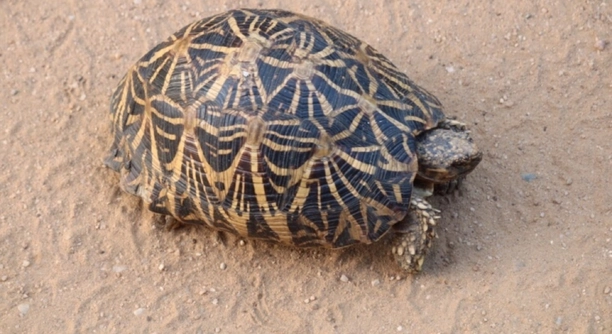
Turtles are wonderful pets, but like all animals, they can face health challenges. Shell rot is a common issue among turtles that can cause serious harm if not properly addressed. Understanding its causes is crucial for keeping your turtle healthy.
Shell rot in turtles can be caused by poor living conditions, such as unclean environments or inadequate basking areas. Other factors include poor diet, untreated injuries, or fungal and bacterial infections. Proper care can help prevent shell rot.
Taking care of your turtle’s environment and health is key to preventing shell rot. We’ll explore the top causes so you can take the right steps to protect your turtle’s well-being.
Poor Water Quality
Turtles are aquatic creatures, and they spend a lot of time in the water. If the water they live in is dirty or not properly filtered, it can lead to various health problems, including shell rot. Stagnant water is especially harmful because it breeds bacteria and fungus. This can get into the turtle’s shell, causing infections. When the water isn’t clean, the bacteria can also weaken the shell’s structure over time, making it more vulnerable to rot. Regular water changes and a good filtration system are essential to keep the environment healthy and safe for your turtle.
Keeping water clean should be a priority. A simple filtration system can help keep the water clear and free of harmful bacteria.
If you notice that the water in your turtle’s tank is cloudy or has a foul smell, it’s time to clean it thoroughly. Regular maintenance of the water quality, along with using safe, non-toxic cleaning products, will help prevent the growth of harmful microorganisms. This will keep your turtle’s shell healthy and free from infection. Additionally, setting up a water heater can help maintain the right temperature, as cold water can also affect your turtle’s immune system and make it more susceptible to diseases. Always test the water for any changes in pH or chemical balance to ensure a safe environment.
Inadequate Basking
Turtles need time to bask in the sun or under a UV light to stay healthy. Without enough basking, their shells can become weak and prone to infections. Basking allows them to dry off, which is important for preventing the growth of bacteria and fungi. If your turtle’s basking area is too small or not positioned correctly, they may not get enough exposure to the heat or UV rays, which are necessary for their health.
Proper basking is key to your turtle’s overall well-being.
Ensure that your turtle has access to a dry, warm basking spot where it can rest and dry its shell. This area should be kept at a temperature between 85-90°F (29-32°C) for most species. If the turtle cannot fully dry off, moisture can get trapped on the shell, making it more likely to develop fungal or bacterial infections. UVB lighting is also crucial, as it helps your turtle produce vitamin D3, which is needed for calcium absorption and shell health. Without adequate UV light, turtles can develop soft or malformed shells. So, provide them with a proper basking area, with both heat and UV light, for their well-being.
Poor Diet
A poor diet can lead to health problems in turtles, including weak shells. Turtles need a balanced diet rich in calcium, vitamins, and minerals to maintain a strong shell. Without the proper nutrients, their shells may become soft and susceptible to infections. Feeding them too much protein, while neglecting vegetables and calcium-rich foods, can also cause health issues over time. It’s important to offer a variety of foods that mimic their natural diet.
A diet high in calcium is crucial for shell health.
Turtles require foods like leafy greens, vegetables, and calcium supplements to keep their shells strong. Calcium is particularly important for shell growth and repair. Without enough calcium, a turtle’s shell can become soft, brittle, and more prone to infection. Providing fresh greens such as kale or collard greens and supplementing with calcium powder can help prevent deficiencies. A diet that lacks variety and essential nutrients can lead to serious health issues like shell rot. Additionally, avoid overfeeding your turtle, as obesity can also lead to shell problems. A balanced and varied diet ensures that your turtle gets the proper nutrition for a healthy and sturdy shell.
Injuries and Trauma
Turtles are prone to getting injured, especially if they are handled roughly or kept in environments where they can hurt themselves. Small injuries can lead to infection, and untreated wounds on the shell can quickly develop into rot. Even minor scrapes can create entry points for harmful bacteria or fungi, which thrive in moist conditions.
It’s important to check your turtle regularly for any signs of injury. Look for cracks, scrapes, or areas where the shell appears soft or discolored. Injuries can sometimes go unnoticed if they’re small, but they can worsen over time. If you notice any damage, clean the area carefully with a mild antiseptic, and seek veterinary care if the injury seems severe. Keeping your turtle in a safe, secure environment with minimal risk of injury will help prevent future problems. Additionally, avoid dropping or causing your turtle to fall from high places, as this can cause serious damage to their shell.
Fungal and Bacterial Infections
Fungal and bacterial infections are common causes of shell rot. When turtles are exposed to bacteria or fungus, they can cause damage to the outer layer of the shell. Infected areas might appear discolored, soft, or have a foul odor. Wet environments with poor ventilation are often breeding grounds for these infections, making it easier for your turtle to contract them.
Infections often start as small, unnoticed areas on the shell. These can grow and spread if left untreated. It’s crucial to monitor the turtle’s shell for any changes in color or texture. If you notice any soft spots or the shell becomes pitted or discolored, it’s time to act. Bacterial infections, like those caused by poor water quality or a lack of proper basking, can progress quickly, leading to significant damage. Fungal infections, often triggered by excessive moisture or humidity, also need immediate attention. Using antifungal or antibacterial treatments, as prescribed by a veterinarian, can help prevent the spread of the infection and keep the shell in good condition.
Improper Humidity Levels
Humidity plays a big role in your turtle’s health. If the humidity is too low or too high, it can stress the turtle and contribute to shell rot. Turtles need the right balance of humidity to maintain healthy skin and a strong shell.
Too much moisture can cause bacterial or fungal infections, especially in areas that don’t get enough airflow. Conversely, dry environments can lead to dehydration and make the turtle’s shell more vulnerable to cracking or infections. Regularly checking the humidity levels in your turtle’s tank is important. Use a hygrometer to monitor and adjust as needed.
Inadequate Tank Size
A small tank can lead to many health problems for your turtle, including shell rot. Turtles need enough space to swim and bask properly, and a cramped tank prevents them from getting the proper exercise or exposure to heat and UV light.
An appropriately sized tank helps ensure that your turtle has enough room to move around and maintain a healthy shell. If the tank is too small, it also causes poor water quality, which can lead to infections. A larger tank with clean water, proper basking spots, and enough room to swim promotes the overall well-being of your turtle.
FAQ
What are the signs of shell rot in turtles?
Shell rot can appear as soft spots, discoloration, or holes in the shell. Infected areas may feel mushy or have a foul odor. You may also notice swelling around the damaged part of the shell or scabs. Early signs can be subtle, so regular checks are important to catch it early. If left untreated, shell rot can spread and become more severe, causing long-term damage to the shell.
How can I prevent shell rot in my turtle?
Preventing shell rot starts with providing a clean, healthy environment. Regularly clean your turtle’s tank, making sure the water stays filtered and free from bacteria. Ensure that your turtle has access to clean, fresh water and the proper basking area with UV light. Proper diet and regular checkups are also key to preventing infections.
Can shell rot heal on its own?
Shell rot typically won’t heal on its own. If you suspect your turtle has shell rot, immediate action is necessary. Treatment often involves cleaning the infected area, using antifungal or antibacterial solutions, and possibly providing veterinary care. Ignoring it can lead to worsening damage, so early intervention is critical.
What should I do if my turtle’s shell is cracked?
If your turtle’s shell is cracked, it’s important to clean the area gently and apply a mild antiseptic. Keep the turtle in clean, dry conditions to prevent infection. For larger or more severe cracks, seek veterinary help. A cracked shell can lead to infections if not treated properly, so prompt care is important.
How often should I clean my turtle’s tank?
You should clean your turtle’s tank at least once a week. However, if the water is getting cloudy or dirty faster, it might need cleaning more often. A good filtration system can help maintain the water quality, but regular water changes and tank cleaning are still necessary to avoid bacterial growth and ensure a safe environment.
What temperature should my turtle’s basking area be?
The basking area should be kept at a temperature between 85-90°F (29-32°C). This allows the turtle to dry off properly and bask in warmth, which helps with digestion and overall health. Too hot or too cold can cause stress and lead to health problems. Proper heat lamps and UVB lighting are essential for a healthy basking environment.
What is the best diet for a turtle?
Turtles need a balanced diet that includes a mix of vegetables, leafy greens, and protein sources. They also need calcium to maintain a strong shell. Offer a variety of foods like collard greens, dandelion greens, and dark leafy vegetables, along with occasional protein such as insects, fish, or specially formulated turtle pellets. Supplement with calcium powder to ensure they get enough of this essential nutrient.
How do I know if my turtle has an infection?
Signs of infection in a turtle can include swelling, pus, or discharge from wounds, cuts, or shell damage. Infected areas may appear soft, discolored, or have an unpleasant odor. If your turtle is lethargic, refuses food, or seems to be in pain, these can also be signs of infection. It’s crucial to act quickly to prevent the infection from spreading and causing more damage.
Can I treat my turtle’s shell rot at home?
Minor cases of shell rot can sometimes be treated at home by cleaning the infected area with a mild antiseptic, keeping the turtle in a dry, clean environment, and applying any necessary antifungal or antibacterial treatments. However, for more severe cases, or if you’re unsure about the proper treatment, it’s best to consult a veterinarian. They can provide specific treatment plans based on your turtle’s condition.
How long does it take for shell rot to heal?
Healing time for shell rot can vary depending on the severity of the infection. Mild cases might improve within a few weeks, while more serious cases may take several months to heal. Regular cleaning, proper treatment, and ensuring a clean living environment are key factors that can help speed up recovery. It’s important to be patient and monitor your turtle closely during this time.
Can humidity cause shell rot in turtles?
Yes, improper humidity levels can contribute to shell rot. Excess moisture in the tank can create an environment for bacteria and fungi to thrive, leading to infections. On the other hand, if the humidity is too low, it can cause dehydration, making the shell more vulnerable to cracks and rot. Maintaining the proper humidity levels in the tank is essential for your turtle’s health and shell integrity.
Why is my turtle’s shell soft?
A soft shell is often a sign of a calcium deficiency or an improper diet. Turtles need enough calcium to build and maintain a strong shell. Without enough calcium, the shell becomes weak, soft, and prone to damage or infection. Offering a calcium supplement or calcium-rich foods like leafy greens is important to help maintain a healthy shell.
Can a turtle’s shell grow back after it’s been damaged?
A turtle’s shell does not regenerate like other parts of the body. If the shell is cracked or damaged, it can heal, but the damaged area may remain visible and weaker than the rest of the shell. Proper care and treatment can help the shell repair itself over time, but it’s essential to avoid further damage and prevent infections during the healing process. Regular checkups with a vet can ensure the best care for the damaged shell.
Final Thoughts
Taking care of a turtle requires attention to detail and commitment. Understanding what can cause shell rot is the first step in ensuring your turtle stays healthy. From water quality and humidity to diet and environment, every factor plays a role in your turtle’s overall health. If you take the time to create a clean, safe, and enriching environment for your turtle, many of the common causes of shell rot can be prevented. Regular checks and proper care can go a long way in keeping your turtle’s shell strong and free from infection.
If you notice any signs of shell rot, it’s important to act quickly. Early treatment can make a big difference in the recovery process. Shell rot does not typically heal on its own, and ignoring the problem can lead to more serious issues. Whether it’s adjusting water conditions, improving your turtle’s diet, or treating any injuries, taking the right steps early on can prevent long-term damage. A veterinarian can help guide you through treatment if needed, and they will provide the expertise necessary to address any concerns you may have about your turtle’s health.
Ultimately, the key to a healthy turtle is a combination of proper care, monitoring, and a suitable environment. Regular cleaning of the tank, maintaining proper humidity and temperature levels, and providing a balanced diet are essential. Keep an eye on your turtle for any signs of stress or illness, and always take action if something seems off. With the right care and attention, your turtle can live a long, healthy life free from the risks of shell rot.

Hello,
If you enjoy the content that we create, please consider saying a "Thank You!" by leaving a tip.
Every little bit helps us continue crafting quality advice that supports the health, happiness, and well-being of pets around the world, for pets of all shapes, sizes, and species.
We really appreciate the kindness and support that you show us!