
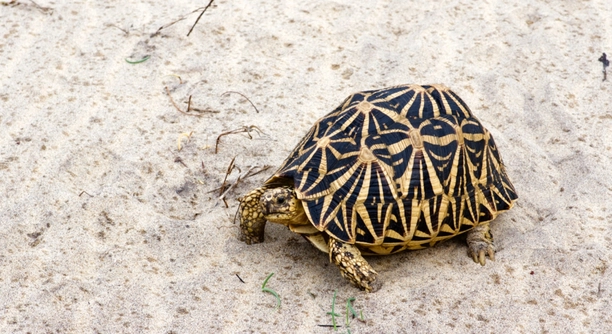
Are you struggling with algae in your turtle tank and want to keep it clean and clear for your pet? Keeping your turtle’s environment healthy and algae-free can be a challenge, but it’s possible with the right steps.
To keep your turtle tank algae-free, focus on proper filtration, regular cleaning, reducing light exposure, and monitoring the water’s chemical balance. Limiting feeding time and adding algae-eating creatures can also help maintain a cleaner environment.
Understanding how to manage these factors will help you maintain a healthier tank and a happier turtle for the long run.
Use Proper Filtration to Control Algae
A good filtration system is one of the most important tools for keeping your turtle tank algae-free. A quality filter will remove waste, uneaten food, and debris, preventing the water from becoming murky and ideal for algae growth. Look for a filter that matches the size of your tank to ensure effective filtration. It’s also helpful to clean or replace the filter media regularly. Make sure the filter is strong enough to handle both the turtle’s waste and any organic buildup in the water. Remember that if the water stays clean, it’ll discourage algae from taking hold.
Regular maintenance of your filter will keep your tank water clear. If your filter becomes clogged, it can reduce its effectiveness.
To complement your filter, consider adding a sponge filter. These are gentle on aquatic life and can help keep the water oxygenated. They also prevent algae by limiting the nutrients in the water that algae need to thrive. Keeping the filter clean ensures it works efficiently, especially if you have multiple turtles or other aquatic creatures in the tank.
Reduce Light Exposure
Light can promote algae growth, so it’s important to manage the light in your turtle’s tank. Avoid placing the tank in direct sunlight or using overly bright aquarium lights.
Keep your lighting system on a timer. This way, your turtle gets a regular day-night cycle, and you can control how much light the tank receives. Algae thrive in constant light, so limiting exposure can slow its growth. Even if your tank has plants, it’s important to balance the light exposure to avoid excess algae.
By reducing the amount of light in your tank, you create an environment that is less inviting for algae. If your tank has a lot of natural sunlight, you may need to add a curtain or reposition the tank to control light.
Clean Your Tank Regularly
Keeping the tank clean is crucial in preventing algae growth. Regular water changes, ideally once a week, can help maintain the balance of chemicals and reduce the chances of algae buildup.
Be sure to scrub the sides of the tank during each water change. Use a soft brush or sponge to remove any algae that may have started to grow on the glass. Avoid using harsh chemicals that could harm your turtle. If you notice algae buildup on the decorations or substrate, scrub them gently too. Keeping surfaces clear of algae prevents it from spreading quickly.
Regular tank cleaning also helps maintain the overall health of your turtle by reducing harmful bacteria. If the water becomes too dirty, it can cause stress and illness. A clean tank promotes a happier, healthier turtle in the long run.
Control Feeding Time
Overfeeding your turtle can lead to extra nutrients in the water, which encourages algae growth. Feed your turtle only what it can eat in 10 to 15 minutes.
Remove any uneaten food after feeding to prevent it from breaking down in the water. Leftover food adds organic matter, which algae feed on. By managing the amount of food and cleaning up after meals, you reduce the chances of algae getting a boost.
Control the feeding schedule too. Offer meals at regular intervals and avoid overfeeding just because your turtle seems hungry. The key is finding a balanced routine that keeps your turtle healthy without creating an environment that promotes algae growth.
Add Algae-Eating Creatures
Introducing algae-eating creatures to your turtle tank can help naturally reduce algae. Fish like plecos, snails, and certain species of shrimp are great for this job.
These creatures will graze on algae, keeping it under control without harming your turtle. Just make sure they are compatible with your turtle and won’t become a snack.
Use Chemical Treatments Sparingly
Chemical algae treatments should only be used as a last resort. Excessive use can harm both your turtle and the tank’s ecosystem.
If you do choose to use an algae treatment, follow the instructions carefully. Make sure the product is safe for aquatic life, and always test the water afterward to ensure the chemicals haven’t upset the balance.
Maintain Proper Water Chemistry
Keeping your water’s chemistry in check is vital to prevent algae growth. Monitor pH levels, nitrates, and phosphates regularly.
When the water is too nutrient-rich, algae thrive. By adjusting the levels and keeping the water clean, you can help maintain a balanced environment where algae can’t grow quickly.
FAQ
How often should I clean my turtle tank?
It’s best to clean your turtle tank once a week. This includes changing about 25-30% of the water to maintain water quality. During each cleaning, remove any visible algae from the tank walls, decorations, and substrate. Clean the filter and replace the filter media when needed. If you have a smaller tank, more frequent water changes may be required to keep algae under control. Keeping a regular cleaning schedule ensures a healthier environment for your turtle.
Can I use algae-eating fish to help control algae?
Yes, algae-eating fish, like plecos or snails, can help reduce algae in your tank. However, they should be used as part of a larger algae control strategy and not the sole solution. Some species of fish and invertebrates are better at algae removal than others. Be mindful of the species’ compatibility with your turtle to avoid any issues. Additionally, keep in mind that these creatures won’t eliminate algae completely, so regular tank maintenance and proper water conditions are still important.
What type of filter is best for preventing algae?
A good quality filter is crucial to prevent algae by maintaining proper water flow and removing waste. Canister filters or hang-on-back (HOB) filters are good choices, depending on your tank size. These filters help to remove organic matter that algae feed on, like leftover food and waste. The key is ensuring the filter is strong enough for the size of your tank. Regularly cleaning or replacing the filter media will help it run efficiently and keep the water clean.
Can algae harm my turtle?
Algae itself isn’t usually harmful to your turtle, but it can indicate poor water quality. Excessive algae growth can block light and reduce oxygen levels in the tank, which may affect your turtle’s health. Additionally, if algae starts to rot, it can release toxins into the water. Keeping algae growth under control ensures your turtle lives in a clean and healthy environment.
How can I reduce algae without using chemicals?
There are several natural ways to reduce algae growth without resorting to chemicals. First, limit light exposure by avoiding direct sunlight and using a timer for your aquarium lights. Regular cleaning of the tank, filter, and decorations also helps. Introducing algae-eating creatures like snails or fish can help as well. Maintaining a balanced diet for your turtle and controlling feeding time is another simple way to reduce excess nutrients in the water that can lead to algae.
Is it okay to let my turtle eat algae?
Turtles sometimes nibble on algae, especially if it grows on the rocks or decorations in their tank. While this is generally safe, it shouldn’t be the primary source of their diet. Algae might not provide all the nutrients your turtle needs, so it’s important to continue offering a balanced diet with commercial turtle food, leafy greens, and occasional treats like insects or fish.
How can I keep algae from growing on tank decorations?
Algae grows on decorations when the tank has excess nutrients, light, or poor water circulation. To prevent this, clean your decorations regularly, especially if you notice algae starting to form. You can scrub them gently with a soft brush or use a special algae-cleaning sponge. Keeping the tank clean and maintaining proper water conditions will reduce the chances of algae attaching to your decorations. You can also consider using algae-eating creatures to help manage any growth.
Do I need special lights to prevent algae?
It’s important to choose the right lighting for your tank. Use low-wattage lights or LED lights with a timer to create a consistent day-night cycle. Avoid placing your tank in areas that receive direct sunlight, as it will encourage algae growth. If your tank has live plants, make sure to balance the light exposure to benefit both plants and turtles while preventing excessive algae growth. Proper lighting will help maintain a healthy tank environment.
How can I tell if my water has too many nutrients for algae to grow?
If your tank has an abundance of nutrients, algae will likely thrive. High levels of nitrates and phosphates are key indicators of an overabundance of nutrients. You can test these levels using aquarium water test kits available at pet stores. High nutrient levels often result from overfeeding your turtle, not cleaning the tank often enough, or having too many organic materials in the water. Keeping your water chemistry in check will help prevent excessive algae growth.
What should I do if my tank is overrun with algae?
If your tank has been overrun with algae, start by cleaning the tank thoroughly. Remove as much algae as possible from the walls, decorations, and substrate. Change the water and clean or replace the filter media. You may also want to reduce the amount of light the tank receives and lower feeding amounts to cut down on excess nutrients. Consider adding algae-eating fish or snails to help control future growth. Regular maintenance will help prevent algae from coming back.
Can I use natural sunlight for my turtle tank?
While natural sunlight might seem like a good way to provide light, it can cause algae to grow quickly. If your tank is placed in direct sunlight, the heat and light will encourage algae growth, especially if the water is nutrient-rich. Instead, try using aquarium lights with a timer to create a consistent day-night cycle. If you must use natural light, try to position the tank in a place where it receives indirect sunlight to prevent excessive algae growth.
Keeping your turtle tank algae-free doesn’t have to be difficult, but it does require consistent effort. By maintaining a regular cleaning schedule and using the right tools, you can prevent algae from taking over the tank. Regular water changes, proper filtration, and controlling light exposure are some of the key steps that will keep the water clear and healthy for your turtle. It’s important to remember that a clean tank doesn’t just look better, but it also promotes the well-being of your pet by providing a more stable and safe environment.
Using natural methods like introducing algae-eating creatures or controlling the amount of light in your tank can be effective in managing algae growth. By adding snails or fish that naturally consume algae, you create a natural balance in the tank that will help reduce the need for constant intervention. At the same time, monitoring your turtle’s diet and not overfeeding will prevent extra nutrients in the water that algae thrive on. These simple steps can make a big difference in how well you control algae in your turtle’s habitat.
Finally, while chemical treatments may be tempting, they should only be used as a last resort, as they can sometimes harm your turtle and the overall tank ecosystem. A combination of good practices like water testing, algae control through maintenance, and the careful introduction of algae-eating creatures will go a long way in keeping your turtle’s tank clear. Consistent attention to the tank’s needs will not only keep the algae at bay but also ensure your turtle’s health for years to come. With a bit of patience and regular care, your turtle’s home will be clean, safe, and enjoyable for both of you.

Hello,
If you enjoy the content that we create, please consider saying a "Thank You!" by leaving a tip.
Every little bit helps us continue crafting quality advice that supports the health, happiness, and well-being of pets around the world, for pets of all shapes, sizes, and species.
We really appreciate the kindness and support that you show us!