
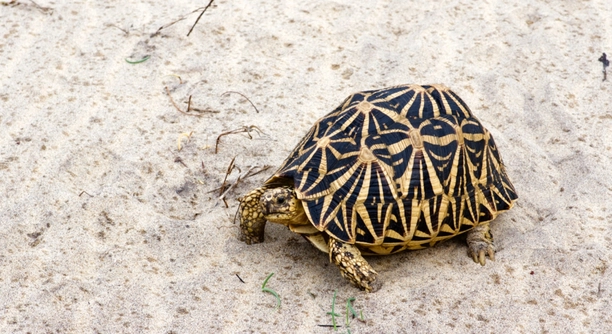
Turtles are fascinating pets that can bring joy to any home. However, if you notice your turtle sneezing, it could raise some concerns. Understanding why this happens is essential to ensure your turtle’s health and well-being.
The most common causes of sneezing in turtles include respiratory infections, poor living conditions, or even stress. It’s important to observe their behavior closely to identify other symptoms that may indicate a more serious issue.
There are several factors that could be contributing to your turtle’s sneezing. Knowing these causes can help you take the right steps to improve their living environment and health.
Respiratory Infections and Illnesses
Respiratory infections are one of the most common causes of sneezing in turtles. These infections can be caused by bacteria, viruses, or fungi, and they typically affect the upper respiratory tract. Turtles may sneeze as a way to clear their airways or to expel excess mucus. Along with sneezing, you might notice other symptoms like lethargy, wheezing, or nasal discharge. If the infection is not treated promptly, it can lead to more severe health issues, including pneumonia.
Infections can spread quickly if not properly addressed, so it’s essential to monitor your turtle’s behavior and seek veterinary help if symptoms worsen.
To reduce the risk of respiratory infections, it’s crucial to maintain a clean habitat and provide your turtle with a proper diet. Additionally, keep their tank temperature stable, as cold or fluctuating temperatures can weaken their immune system, making them more susceptible to illnesses. Ensure that their living environment is free from any drafts or humidity that could aggravate respiratory issues.
Poor Tank Conditions
A dirty or poorly maintained tank is another major factor in causing sneezing. If a turtle’s tank is overcrowded or lacks proper filtration, bacteria and debris can build up in the water. This polluted environment can lead to respiratory irritation, resulting in sneezing.
Turtles need a clean and stable environment to stay healthy. Regular tank maintenance, including water changes and proper filtration, is crucial for their overall well-being. Make sure the tank is large enough for your turtle to move around comfortably and avoid overcrowding.
Stress and Anxiety
Stress can cause your turtle to sneeze, especially if they feel threatened or uncomfortable in their environment. Stress factors like sudden changes in temperature, loud noises, or the presence of other pets can cause your turtle to react physically.
Stress affects the turtle’s immune system and can make them more prone to infections. In addition to sneezing, stressed turtles may also become less active or eat less. It’s important to keep their environment calm and stable to help reduce stress.
To minimize stress, ensure your turtle has a quiet and safe place to hide when needed. Avoid placing them in areas with a lot of foot traffic or sudden loud noises. Regularly check their habitat to ensure everything is comfortable and familiar.
Poor Diet and Nutrition
A poor diet can lead to sneezing and other health problems in turtles. If they’re not getting the right balance of nutrients, it weakens their immune system and makes them more susceptible to infections, including respiratory issues.
Providing your turtle with a varied diet rich in vitamins and minerals is essential. Include a mix of leafy greens, vegetables, and protein to help boost their immune system. Over time, a poor diet can lead to long-term health problems, so it’s important to adjust their meals accordingly.
Make sure you’re feeding your turtle the right food for their species. Some turtles require more protein, while others need a higher amount of plant-based foods. Offering the right food will support their overall health and may help prevent sneezing caused by nutritional deficiencies.
Mites and Parasites
Mites and parasites can cause sneezing in turtles by irritating their respiratory system. These tiny pests can attach themselves to the skin or inside the turtle’s nasal passages, leading to discomfort and sneezing. It’s important to check your turtle regularly for signs of external parasites.
If you suspect mites or parasites, consulting a veterinarian is essential. They can identify the type of parasite and recommend treatments, such as medication or changes to the turtle’s habitat, to eliminate the problem. Keeping the turtle’s environment clean and free from pests can help prevent these issues from occurring.
Tank Temperature Issues
The wrong water temperature can also lead to sneezing. Turtles are cold-blooded, meaning their body temperature is regulated by the environment. If the water is too cold or too hot, it can stress the turtle’s body and trigger sneezing.
Ensure your turtle’s tank is maintained at the correct temperature, usually between 75-85°F (24-29°C) for water and 85-90°F (29-32°C) for the basking area. Using a reliable thermometer can help you monitor the temperature and make necessary adjustments to keep your turtle comfortable.
FAQ
What should I do if my turtle keeps sneezing?
If your turtle keeps sneezing, it’s important to observe for other symptoms like nasal discharge, lethargy, or changes in appetite. These could indicate a respiratory infection or another health issue. If the sneezing persists or is accompanied by other symptoms, take your turtle to a veterinarian for a proper diagnosis and treatment plan. In the meantime, maintain a clean and comfortable environment to reduce any external stressors or irritants.
Can stress cause my turtle to sneeze?
Yes, stress is a known factor that can lead to sneezing in turtles. Stress can occur from changes in the environment, such as new tank mates, improper tank temperature, or loud noises. Stress weakens the turtle’s immune system, making them more susceptible to respiratory issues and other health problems. Reducing stress by providing a stable and quiet environment will help prevent sneezing caused by anxiety.
How can I prevent my turtle from getting a respiratory infection?
To prevent respiratory infections in turtles, maintain their habitat with proper water temperature, filtration, and cleanliness. Avoid sudden changes in temperature, and keep the tank free of drafts. Ensure your turtle gets a proper diet with enough vitamins and minerals to support their immune system. Regularly check for signs of illness and visit a vet if needed.
What temperature should my turtle’s tank be to avoid sneezing?
The tank temperature plays a critical role in preventing sneezing. For most turtles, the water temperature should be between 75-85°F (24-29°C), and the basking area should be kept at 85-90°F (29-32°C). If the temperature is too cold or too hot, it can stress the turtle and lead to respiratory issues like sneezing. Use reliable thermometers to monitor these conditions regularly.
Can a dirty tank make my turtle sneeze?
Yes, a dirty tank can contribute to sneezing. When the water becomes polluted with bacteria, debris, or waste, it can irritate the turtle’s respiratory system. This irritation can cause sneezing as the turtle tries to clear their airways. Regular water changes, good filtration, and routine tank cleaning will help prevent respiratory issues and reduce the risk of sneezing.
How can I tell if my turtle has a respiratory infection?
Signs of a respiratory infection in turtles include persistent sneezing, nasal discharge, wheezing, lethargy, and loss of appetite. If you notice these symptoms, it’s important to consult with a veterinarian who can determine if the turtle has a respiratory infection and suggest appropriate treatment. Prompt treatment is essential to avoid more serious complications.
Is it normal for my turtle to sneeze occasionally?
Occasional sneezing is generally normal for turtles, especially if they are trying to clear their nostrils of water or debris. However, frequent or persistent sneezing is not normal and may indicate an underlying health issue, such as a respiratory infection, poor tank conditions, or stress. Monitoring your turtle’s behavior and environment will help you spot any problems early.
Can diet affect my turtle’s sneezing?
Yes, a poor diet can affect your turtle’s immune system, making them more prone to respiratory issues and sneezing. Providing a balanced diet with the proper mix of vegetables, fruits, and protein is essential for your turtle’s overall health. Nutritional deficiencies can weaken their immune system and lead to health problems like sneezing. Be sure to feed them the appropriate food for their species.
How do I treat my turtle if it has a respiratory infection?
Treating a respiratory infection in turtles usually involves medication prescribed by a veterinarian. The vet may recommend antibiotics, antifungals, or other treatments depending on the type of infection. It’s crucial to follow the vet’s instructions carefully and ensure the turtle’s environment is clean and free from stress. Keeping the tank temperature stable and providing a nutritious diet will support recovery.
Can parasites cause sneezing in turtles?
Yes, external parasites like mites or internal parasites can irritate a turtle’s respiratory system, leading to sneezing. These pests may attach to the skin or nasal passages, causing discomfort and sneezing. If you notice signs of parasites, such as unusual behavior or visible pests on the turtle, a veterinarian can provide treatment options. Regular tank maintenance and habitat cleanliness can help prevent parasites from infesting your turtle.
How often should I clean my turtle’s tank to avoid sneezing?
To prevent sneezing and other health issues, it’s important to clean your turtle’s tank regularly. Perform partial water changes every week to maintain clean water, and clean the tank thoroughly every few weeks. Make sure the filtration system is working properly to remove waste and debris from the water. Regular cleaning reduces the buildup of harmful bacteria and toxins that can irritate your turtle’s respiratory system.
Final Thoughts
Turtles are generally hardy creatures, but like any pet, they can encounter health issues from time to time. Sneezing is one symptom that can indicate something is wrong, but it’s important to look at the bigger picture. If your turtle sneezes occasionally, it may not be cause for concern. However, if the sneezing persists, it’s a good idea to pay attention to other signs, like lethargy, loss of appetite, or nasal discharge. These symptoms could suggest a more serious issue, such as a respiratory infection or a problem with their habitat.
Proper tank care is one of the most important factors in keeping your turtle healthy. Maintaining the right water temperature, proper filtration, and cleanliness are essential. If any of these elements are off balance, it can lead to stress, poor health, and sneezing. Make sure to monitor the water conditions and provide your turtle with a comfortable and stable environment. Keeping the tank clean and ensuring that it’s the right size for your turtle can help prevent many of the issues that lead to sneezing or other health problems.
Diet and stress are also key factors to consider. A well-balanced diet supports a strong immune system, while excessive stress can make your turtle more vulnerable to health problems, including respiratory infections. It’s important to ensure your turtle is fed the proper food for their species and given a peaceful environment. This means reducing environmental stress, avoiding overcrowding, and providing hiding spots for your turtle to feel safe. Addressing these factors can go a long way in preventing sneezing and ensuring the overall health and happiness of your turtle.

Hello,
If you enjoy the content that we create, please consider saying a "Thank You!" by leaving a tip.
Every little bit helps us continue crafting quality advice that supports the health, happiness, and well-being of pets around the world, for pets of all shapes, sizes, and species.
We really appreciate the kindness and support that you show us!