
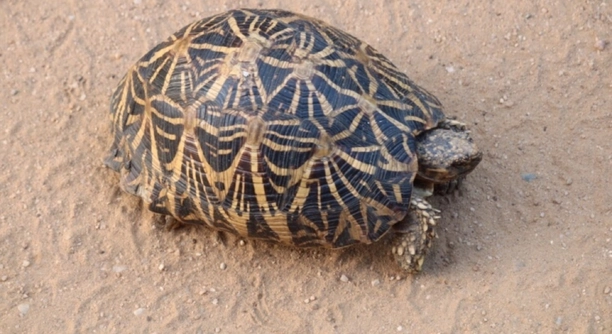
Do you ever find yourself wondering if all fruits and vegetables are safe for your pet turtle? Many owners assume that anything natural is harmless, but some foods can be dangerous. Knowing what to avoid can help keep your turtle healthy.
Certain foods can harm your turtle by causing digestive issues, toxicity, or malnutrition. Items like dairy, processed meats, and certain vegetables contain harmful substances that can affect their health. Understanding these risks is essential for providing a balanced and safe diet.
While some foods may seem harmless, they can cause serious problems over time. Knowing what to avoid will help you make better choices for your pet’s well-being.
Dairy Products
Turtles cannot digest dairy because they lack the necessary enzymes to break it down. Milk, cheese, and yogurt can lead to stomach pain, bloating, and diarrhea. While some animals can tolerate small amounts, turtles should never consume dairy. Their bodies are designed to process natural foods like leafy greens, insects, and aquatic plants. Giving them dairy-based treats can disrupt their digestive system and make them feel unwell. Instead of dairy, focus on foods that provide essential nutrients without causing harm. Sticking to a diet that mimics what they eat in the wild will help them stay healthy.
Even if your turtle seems interested in dairy, it is best to avoid it. The discomfort they experience after eating it is not always visible right away, but it can negatively impact their health over time. Keeping dairy out of their diet will prevent unnecessary issues.
If you want to offer something nutritious, consider feeding your turtle leafy greens, fruits in moderation, or protein sources like earthworms and insects. These options provide valuable vitamins and minerals without any harmful effects. Many turtles enjoy a varied diet, and choosing the right foods will help them thrive. A healthy diet is one of the best ways to support your pet’s well-being.
Processed Meats
Processed meats contain high amounts of salt, preservatives, and artificial ingredients that are not suitable for turtles. These additives can cause dehydration, kidney problems, and digestive discomfort. Turtles thrive on a natural diet, so it is best to avoid feeding them any processed meats.
Unlike fresh protein sources, processed meats lack the proper nutrients turtles need. Sausages, deli meats, and bacon contain excessive fat and sodium, which can strain their organs over time. A turtle’s diet should be based on fresh, whole foods that promote good health. Even small amounts of processed meats can disrupt their system, leading to long-term complications. Feeding them natural proteins like insects, fish, and boiled eggs in moderation is a much safer option.
Providing a balanced diet is essential for keeping your turtle healthy. While it may be tempting to offer them human food, processed meats do more harm than good. Prioritizing natural, unprocessed options will ensure they receive the right nutrients without unnecessary risks. Simple dietary changes can make a big difference in your turtle’s overall well-being.
Raw Meat
Raw meat can carry harmful bacteria like Salmonella, which can make your turtle sick. Feeding raw meat also increases the risk of an unbalanced diet, as it lacks important nutrients turtles need. Cooked, unseasoned protein sources are a safer choice for your pet.
Feeding raw meat may seem like a good protein source, but it lacks the vitamins and minerals turtles get from their natural diet. In the wild, they eat insects, small fish, and plants, which provide a balanced mix of nutrients. Raw meat is high in protein but does not offer the same benefits. Over time, relying on raw meat can lead to deficiencies. A varied diet with safe protein options will ensure your turtle stays healthy.
Bacteria from raw meat can not only harm your turtle but also spread to your home. Handling raw meat increases the risk of contamination, putting you and your family at risk. If you want to include protein in your turtle’s diet, choose safer options like cooked fish, shrimp, or insects. These choices provide the necessary nutrients without the dangers of bacteria. Keeping your turtle’s diet clean and balanced will help prevent unnecessary health issues.
Onions and Garlic
Onions and garlic contain compounds that can be toxic to turtles. Even small amounts can cause digestive upset, weakness, and long-term health problems. These ingredients may be found in many foods, so it is important to check what you are feeding your pet. Avoiding them completely is the safest option.
These vegetables contain thiosulfates, which can damage red blood cells and lead to anemia in turtles. Unlike humans, turtles cannot process these compounds effectively, making them more vulnerable to their harmful effects. Eating onions or garlic regularly can cause gradual health decline, affecting their energy levels and overall well-being. Even if your turtle accidentally eats a small piece, it is best to monitor them for any signs of discomfort. Keeping their diet free from these ingredients will prevent serious health risks.
Turtles thrive on fresh, natural foods that provide the right balance of nutrients. While some vegetables are safe, onions and garlic should never be included in their meals. If you are looking for healthy options, consider leafy greens, bell peppers, or carrots. Making small changes to their diet can significantly improve their health, ensuring they stay active and happy for years to come.
Avocado
Avocado contains persin, a substance that is toxic to turtles. Even a small amount can cause serious health issues, including digestive problems and breathing difficulties. Every part of the avocado, including the skin and pit, should be completely avoided to prevent harm.
The high fat content in avocados can also be harmful to turtles. Their bodies are not designed to process large amounts of fat, which can lead to obesity and organ strain. Offering healthier alternatives like leafy greens or berries will keep your turtle safe and well-nourished.
Rhubarb
Rhubarb contains high levels of oxalates, which can be toxic to turtles. These compounds interfere with calcium absorption, leading to weak bones and other health problems. Even a small amount can be dangerous, so it is best to keep rhubarb out of their diet entirely.
Chocolate
Chocolate contains theobromine, a compound that turtles cannot digest properly. This can cause serious health problems, including heart issues and nervous system damage. Even small amounts can be harmful, so keeping chocolate away from your turtle is essential for their safety.
FAQ
Can turtles eat bread?
Bread is not a suitable food for turtles. It lacks the necessary nutrients they need and can be difficult to digest. Most bread contains preservatives, salt, and sugar, which can lead to digestive issues. Feeding bread regularly may cause malnutrition, as it does not provide essential vitamins or minerals. It is best to stick with natural foods like leafy greens, fruits in moderation, and protein sources such as insects or cooked fish. A balanced diet will help your turtle stay healthy and active.
Is it safe for turtles to eat rice?
Cooked and uncooked rice are both unsuitable for turtles. Uncooked rice is too hard for them to digest, while cooked rice can be too starchy and offer little nutritional value. Feeding rice regularly can cause digestive discomfort and may lead to bloating. Turtles thrive on whole, unprocessed foods that provide essential nutrients. Instead of rice, offer them vegetables like bell peppers, zucchini, or carrots. Providing a variety of healthy options will ensure they get the proper nutrition without unnecessary fillers.
Can turtles eat dog or cat food?
Dog and cat food are not recommended for turtles. These foods are formulated for mammals and often contain high amounts of protein and fat that can be harmful to turtles. While occasional small amounts may not cause immediate harm, long-term feeding can lead to kidney problems and obesity. Some brands also contain artificial additives and preservatives that are not safe for reptiles. It is always best to provide a diet that closely resembles what turtles eat in the wild. Fresh vegetables, insects, and safe protein sources are much better choices.
What fruits are safe for turtles?
Many fruits are safe for turtles but should only be given in moderation. Safe options include strawberries, blueberries, bananas, apples (without seeds), and melons. These fruits provide vitamins and hydration but should not replace their main diet of vegetables and proteins. Fruits with high sugar content, such as grapes or mangoes, should only be offered occasionally. Citrus fruits should be avoided, as their acidity can cause stomach irritation. Sticking to a balanced diet will ensure your turtle stays healthy without unnecessary health risks.
Can turtles eat peanut butter?
Peanut butter is not a good food for turtles. It is high in fat, salt, and sugar, which can lead to digestive issues and weight gain. Turtles have sensitive digestive systems that are not designed to process processed foods like peanut butter. Even in small amounts, it can be difficult for them to digest. If you want to offer a treat, consider natural options like small pieces of fruit or dark leafy greens. These alternatives provide nutrients without any harmful additives.
Are mushrooms safe for turtles?
Some mushrooms are toxic to turtles, making them an unsafe food choice. Even non-toxic varieties can be difficult for turtles to digest. Wild mushrooms, in particular, pose a serious risk, as they may contain harmful compounds that can cause poisoning. Since it is hard to determine which mushrooms are safe, it is best to avoid them altogether. Instead, stick to vegetables that are known to be safe, such as squash, bell peppers, and leafy greens. A well-balanced diet is key to keeping your turtle in good health.
Can turtles eat eggs?
Turtles can eat eggs in moderation, but they should be cooked and unseasoned. Boiled or scrambled eggs provide protein, which is beneficial for their growth and health. However, eggs should not be a staple in their diet. Feeding too many can lead to an unbalanced diet with excessive protein. It is important to mix protein sources, such as insects and small fish, to provide a well-rounded diet. Offering eggs occasionally can be a good treat, but they should always be served plain without added salt or butter.
Is lettuce a good food for turtles?
Not all types of lettuce are beneficial for turtles. Iceberg lettuce, in particular, has little nutritional value and mostly consists of water. While it is not toxic, it does not provide essential vitamins and minerals. Dark leafy greens like romaine, kale, collard greens, and dandelion greens are much better options. These vegetables are rich in nutrients and promote good health. Feeding a variety of greens ensures your turtle gets the right balance of vitamins and minerals. Avoiding nutrient-poor foods will help maintain their overall well-being.
Can turtles eat fish?
Many turtles enjoy eating fish, but it is important to choose the right type. Small, fresh fish like guppies or minnows are good protein sources and mimic what they eat in the wild. However, processed fish products like canned tuna or salted fish should be avoided, as they contain high levels of sodium and preservatives. Feeding live fish occasionally can provide enrichment and a natural hunting experience, but it should not be the only protein source. A balanced diet with a mix of proteins and vegetables is the best way to keep your turtle healthy.
Should turtles eat human food?
Most human foods are not suitable for turtles. Many contain seasonings, preservatives, and high amounts of fat or sugar, which can be harmful. Processed foods, dairy products, and sugary snacks should always be avoided. Turtles thrive on a natural diet of vegetables, fruits in moderation, and protein sources like insects or fish. Offering human food may seem like a treat, but it can cause digestive problems and long-term health issues. Sticking to natural, whole foods will help ensure your turtle stays healthy and active.
Final Thoughts
Feeding your turtle the right foods is essential for their health and well-being. While some foods may seem harmless, they can cause digestive issues, toxicity, or long-term health problems. Avoiding harmful foods like dairy, processed meats, onions, and chocolate will help prevent unnecessary risks. A balanced diet should include fresh vegetables, safe protein sources, and occasional fruits. Providing the right nutrients will support their growth, energy levels, and overall quality of life. Understanding what is safe and what is dangerous will help you make better choices for your pet’s diet.
A proper feeding routine is just as important as choosing the right foods. Overfeeding or offering too many treats can lead to obesity and nutritional imbalances. It is best to follow a schedule that mimics their natural eating habits. Fresh water should always be available, as hydration is important for digestion and overall health. If you are unsure about a specific food, it is always safer to research before feeding it to your turtle. Consulting a veterinarian who specializes in reptiles can also help you make informed decisions. Taking the time to understand their dietary needs will ensure they live a long and healthy life.
Caring for a turtle requires patience and attention to detail, especially when it comes to their diet. By avoiding harmful foods and focusing on nutritious options, you can help your pet thrive. Turtles rely on their owners to provide them with safe and healthy meals, so making informed choices is essential. Every small change in their diet can make a big difference in their overall health. Providing a natural, well-balanced diet will keep them active, happy, and strong for years to come.

Hello,
If you enjoy the content that we create, please consider saying a "Thank You!" by leaving a tip.
Every little bit helps us continue crafting quality advice that supports the health, happiness, and well-being of pets around the world, for pets of all shapes, sizes, and species.
We really appreciate the kindness and support that you show us!