
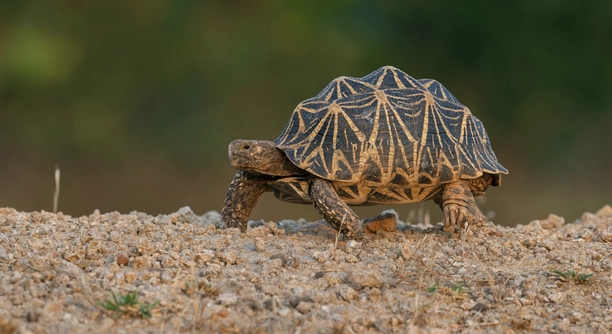
Turtle shell peeling can be concerning for pet owners. This condition may arise for various reasons, from improper care to environmental factors. Understanding what causes it can help ensure your turtle’s health and well-being.
The peeling of a turtle’s shell in large pieces can be due to several factors. These include improper humidity, lack of UVB lighting, poor diet, or a fungal or bacterial infection. Addressing these issues can prevent further damage to the shell.
Taking action early can help prevent serious health problems for your turtle. Identifying the root cause of shell peeling is essential for proper care and recovery.
Causes of Turtle Shell Peeling
Turtles are vulnerable to shell peeling when their environment is not ideal. Improper humidity can cause their shells to dry out, leading to peeling. The lack of UVB lighting is another major factor. UVB is essential for vitamin D3 production, which helps turtles metabolize calcium. Without proper calcium levels, their shells weaken and peel. Additionally, a poor diet lacking essential nutrients like calcium and vitamin A can result in peeling. Infections, whether bacterial or fungal, can also affect the shell’s integrity, causing it to shed in large pieces. All these factors can contribute to shell issues if not managed.
Shell care is essential to a turtle’s overall health. Identifying environmental and dietary shortcomings is the first step in resolving the issue.
Preventing shell peeling requires the proper balance of light, temperature, humidity, and nutrition. Regular cleaning and maintaining an optimal environment will help turtles thrive, reducing the chances of peeling or other health problems.
Humidity and Shell Health
Humidity plays a significant role in maintaining a turtle’s shell. Low humidity can cause the shell to become dry and brittle, leading to peeling. Turtles need a moisture-rich environment to stay healthy, especially if they live in terrestrial setups. A humidity level between 70-80% is ideal for most turtle species.
If the humidity is too low, the shell may not retain moisture, causing it to shed in large patches. Adding a humidity gauge can help monitor the environment, ensuring it stays within the proper range. Using a water dish or a misting system can also boost the humidity, promoting healthier shell growth.
Too much humidity can also be a problem, potentially leading to fungal infections that cause the shell to peel. It’s essential to find the right balance to maintain a stable environment for your turtle’s overall health.
The Importance of UVB Lighting
UVB lighting is crucial for turtles to metabolize calcium and maintain healthy shells. Without sufficient UVB light, turtles cannot produce enough vitamin D3, which is necessary for calcium absorption. This deficiency leads to soft, weakened shells that are more prone to peeling.
A UVB bulb should be placed within the turtle’s enclosure to mimic natural sunlight. Be sure to replace the bulb regularly, as UVB output diminishes over time, even if the light still appears functional. The light should be positioned about 12-18 inches above the turtle’s basking area for optimal exposure.
In addition to shell health, UVB lighting helps turtles maintain proper bone density and overall well-being. Regular exposure to UVB light prevents metabolic bone disease, a condition that can affect the shell’s strength and structure.
Diet and Shell Care
A proper diet is essential for maintaining a turtle’s shell. Turtles need a balanced diet with adequate calcium and vitamins A and D. Without these nutrients, their shells can become weak and prone to peeling.
Offering a variety of leafy greens, vegetables, and occasional protein can help ensure they receive the right nutrients. Avoid feeding them too much high-fat food, as it can lead to imbalances. A calcium supplement may also be necessary for some turtles to keep their shells healthy and strong.
Fungal and Bacterial Infections
Fungal and bacterial infections are common causes of shell peeling in turtles. These infections can weaken the shell, causing it to shed in large chunks. Bacteria can enter through cracks or damaged areas, while fungi thrive in damp conditions.
Proper care, including cleaning the enclosure and offering a dry area for basking, can help reduce the risk of infection. If an infection is suspected, consulting a vet for proper treatment is essential to prevent further damage to the shell. Keeping the tank clean and ensuring your turtle’s environment is dry when necessary will help avoid these issues.
FAQ
Why is my turtle’s shell peeling in large pieces?
Large pieces of shell peeling are often due to improper care, such as low humidity, lack of UVB light, or nutritional deficiencies. Poor diet, fungal, or bacterial infections can also contribute to the peeling. It’s important to identify and address the root cause to prevent further damage. Ensuring proper humidity levels, providing UVB lighting, and offering a balanced diet can help keep the shell healthy.
How can I prevent my turtle’s shell from peeling?
To prevent shell peeling, maintain optimal humidity levels and provide UVB lighting. A humidity level of 70-80% is ideal, while UVB light should be used regularly to help with calcium absorption. A well-balanced diet, including sufficient calcium and vitamins A and D, is also essential.
Can I use a heat lamp instead of UVB lighting?
While a heat lamp can provide warmth for your turtle, it does not replace the need for UVB lighting. UVB light is critical for turtles to synthesize vitamin D3 and metabolize calcium, which helps maintain strong shells. Always use a UVB-specific light in addition to a heat lamp.
What type of food should I feed my turtle to keep its shell healthy?
A balanced diet is essential for shell health. Leafy greens like kale and collard greens, along with vegetables such as carrots and squash, should be staples in your turtle’s diet. Protein, such as insects or fish, should be provided in moderation. A calcium supplement can also help prevent shell issues.
How often should I feed my turtle?
Feeding frequency depends on the turtle’s age and species. Hatchlings and juveniles typically require daily feeding, while adult turtles can be fed every other day. Be sure to adjust the amount of food based on the turtle’s size and activity level to prevent overfeeding or underfeeding.
Can shell peeling indicate a serious health issue?
In some cases, shell peeling can point to a health issue like an infection or metabolic bone disease. If the peeling is accompanied by other symptoms such as lethargy, loss of appetite, or visible sores, a visit to the vet is recommended for a thorough checkup.
How can I tell if my turtle has an infection?
Signs of infection include a soft, discolored shell, swollen or oozing areas, or a foul odor coming from the shell. Infected turtles may also appear lethargic, lose their appetite, or develop abnormal behavior. If you notice any of these symptoms, seek veterinary care immediately.
Is it normal for a turtle’s shell to shed in pieces?
Turtles naturally shed small pieces of their outer shell as part of their growth process, but large patches of shell shedding are not typical. If this happens frequently, it may indicate a problem with your turtle’s care, such as insufficient humidity, poor diet, or infection.
How can I treat my turtle’s peeling shell at home?
For mild peeling, ensure that your turtle’s habitat is correctly set up with proper humidity and UVB lighting. Adjust the diet to include more calcium-rich foods or supplements. Keep the tank clean and provide areas for your turtle to bask. However, if peeling persists or worsens, consult a vet.
Should I remove the peeling pieces of shell?
It’s generally not necessary to remove peeling shell pieces. Turtles naturally shed their outer layers, and removal could cause injury or infection. If you notice any exposed or raw areas, consult a vet for advice on proper treatment and care.
What is metabolic bone disease (MBD), and does it cause shell peeling?
Metabolic bone disease is a condition caused by calcium deficiency, often due to insufficient UVB exposure or poor diet. It can lead to weakened bones and a soft, fragile shell that may peel. Ensuring proper calcium intake and UVB lighting is key to preventing MBD and shell problems.
How long does it take for a turtle’s shell to heal after peeling?
Healing time for a turtle’s shell depends on the cause of the peeling. If the peeling is due to nutritional deficiencies or environmental factors, it may take a few weeks for the shell to recover. Infections or injuries may take longer and require veterinary treatment.
Can my turtle’s shell grow back after it peels?
Turtles’ shells can regenerate over time, but it’s a slow process. If the peeling is due to injury or infection, the shell may take months to fully heal. Providing a proper diet, habitat, and care can help speed up the recovery process.
What should I do if my turtle’s shell is cracked or damaged?
If your turtle’s shell is cracked or damaged, it’s important to seek immediate veterinary care. Shell injuries can lead to infection or further damage if left untreated. The vet may use specialized techniques to repair the shell and prevent complications.
How can I keep my turtle’s environment clean to prevent shell issues?
Regular tank cleaning is essential for preventing shell problems. Remove waste, uneaten food, and algae frequently. Clean the substrate and any equipment in the tank to maintain a healthy environment. Regular water changes will also help reduce the risk of infections and shell damage.
Can I use a regular aquarium filter for my turtle’s tank?
While you can use an aquarium filter, it’s important to choose one designed for turtles. Turtles produce more waste than fish, so a more powerful filter may be needed. The filter should be able to handle the high volume of waste and keep the water clean and clear.
Final Thoughts
Turtles are resilient creatures, but they rely on proper care to stay healthy. If you notice large pieces of shell peeling, it’s essential to assess their environment and diet. Issues such as low humidity, lack of UVB light, or an imbalanced diet can contribute to shell problems. Identifying the cause is the first step in making sure your turtle remains healthy and comfortable.
Maintaining a clean habitat, providing a balanced diet, and ensuring proper lighting are some of the basic steps to prevent shell peeling. Regularly checking for signs of infections or injuries is also important. While shell shedding is natural, large-scale peeling can indicate an underlying issue that needs attention. In such cases, it’s always advisable to consult with a veterinarian to rule out infections or other serious health concerns.
By keeping your turtle’s environment stable and following proper care routines, you can help your pet thrive. This includes providing a proper diet, maintaining clean water, and ensuring proper basking areas. When done correctly, these steps will support your turtle’s shell health and overall well-being. If issues persist, don’t hesitate to reach out to a professional for further advice.

Hello,
If you enjoy the content that we create, please consider saying a "Thank You!" by leaving a tip.
Every little bit helps us continue crafting quality advice that supports the health, happiness, and well-being of pets around the world, for pets of all shapes, sizes, and species.
We really appreciate the kindness and support that you show us!