
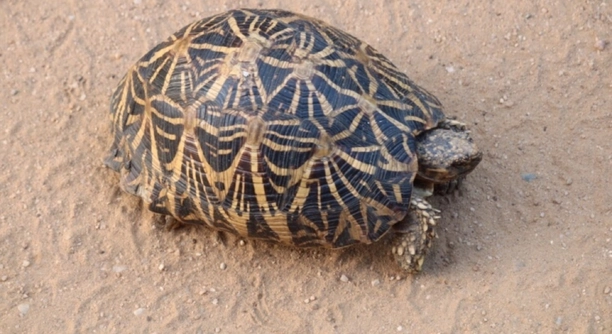
Turtles are fascinating creatures, but their rough shell can sometimes be a cause for concern. Understanding the reasons behind it can help ensure their health and well-being.
A rough turtle shell can be attributed to factors such as improper diet, lack of hydration, environmental stress, or underlying health conditions. Regular care and proper habitat maintenance can help prevent or alleviate the issue.
Taking the right steps can improve your turtle’s shell condition and overall health. Ensuring the proper environment is key to their well-being.
Improper Diet
Turtles require a balanced diet to maintain a healthy shell. If they’re not getting the right nutrients, their shells can become rough or even malformed. A diet lacking in calcium, essential fats, and other nutrients can lead to shell problems. Commercial turtle food is often insufficient for long-term health, especially if it doesn’t include the necessary vitamins and minerals. It’s important to supplement their diet with fresh greens, fruits, and the occasional protein source, depending on the species. Over time, a well-balanced diet can support shell health, making it less likely to develop rough patches.
A poor diet not only affects their shell but also their overall health. Vitamin and mineral deficiencies can weaken their immune system, making it harder for them to recover from other issues. Adding a variety of foods will help ensure they are getting the nutrients they need.
Taking a more active role in feeding your turtle, choosing quality food, and offering them fresh options can help avoid rough shell problems. A well-fed turtle tends to have better skin, a stronger shell, and more energy.
Lack of Hydration
Turtles rely on proper hydration for various bodily functions, including shell health. When they don’t get enough water, their shells can start to feel rough or dry out. This is especially common in species that live in aquatic environments but may not have constant access to clean water. Dehydration can cause their shells to lose moisture and become brittle.
Ensuring that your turtle has access to fresh water at all times is vital. It’s equally important to make sure their living space is clean, as dirty water can lead to infections or irritate the shell. A humid environment also helps keep their shells hydrated and flexible.
If you notice your turtle’s shell becoming rough, it might be a sign they’re not drinking enough. Providing a deeper water area or a water fountain can encourage them to stay hydrated. If their shell is still rough despite access to water, it could be worth considering other factors like diet or habitat conditions.
Environmental Stress
Turtles are sensitive to environmental changes, and stress can take a toll on their shell health. Factors like sudden temperature fluctuations, loud noises, or overcrowding in their enclosure can lead to a rough shell. Stress weakens the immune system, leaving turtles vulnerable to infections and skin issues.
A stable, calm environment is essential for your turtle’s well-being. They need consistent temperatures, proper lighting, and a peaceful atmosphere to thrive. Too much noise or movement around them can increase stress levels, which will show on their shell.
Maintaining a routine and a comfortable habitat helps reduce stress. If possible, avoid sudden changes in their environment. Make sure they have enough space to move freely and access to places where they can rest without feeling threatened.
Poor Shell Care
Neglecting proper shell care can result in rough patches. Turtles naturally shed layers of their shell, but if they don’t have enough opportunities to bask or soak in clean water, the shedding process can become irregular. Shell rot or fungal infections can also develop from poor hygiene.
Regular shell cleaning is important. When turtles have access to a clean living space and basking areas, they shed their outer shell layers more naturally. Use soft brushes or cloths to gently clean the shell, avoiding harsh scrubbing that can cause damage.
It’s also important to keep an eye on any cracks, scabs, or discolored spots on their shell. Early detection can prevent issues from getting worse, and a trip to the vet may be necessary if signs of infection appear. Healthy shell care will keep your turtle in top condition.
Health Issues
Underlying health conditions can cause your turtle’s shell to become rough. Infections, parasites, and diseases often show early signs through changes in shell texture. If your turtle’s shell is rough and other symptoms, like lethargy or appetite loss, appear, a visit to the vet is needed.
Shell-related health issues can be complicated and might require medical attention. Infections such as shell rot can make the surface feel rough, and untreated conditions may cause lasting damage. Parasites, metabolic bone disease, or fungal infections can all lead to shell abnormalities.
It’s crucial to monitor your turtle’s behavior closely and seek professional advice if symptoms worsen. Regular check-ups ensure that any potential health problems are addressed early, keeping your turtle’s shell in good condition.
Shell Damage
Accidental shell damage is common and can result from rough handling or impacts with hard surfaces. Even minor injuries can lead to rough patches if not treated properly. Damaged areas might not heal smoothly without the right care and can cause permanent roughness.
Protecting your turtle from harm by providing a safe and secure environment is essential. Avoid placing them in areas where they could fall or bump into sharp objects. If the shell is damaged, clean the area gently and keep it dry to prevent infection.
In case of severe damage, seek help from a vet. Proper treatment and care can help reduce the impact of shell injuries and prevent further roughness.
Poor Lighting Conditions
Turtles need proper lighting for their overall health. Without the right balance of UVB light, they can develop a variety of issues, including rough shells. UVB light helps them metabolize calcium, which is crucial for maintaining a healthy shell.
Turtles need exposure to UVB rays to produce vitamin D3, which supports calcium absorption. A lack of proper lighting or inadequate basking areas can lead to weakened shells. Over time, a deficiency can cause the shell to feel rough and underdeveloped.
Invest in high-quality UVB lighting for your turtle’s habitat. Regularly check the light source to ensure it is working effectively and providing the necessary benefits to their shell health.
FAQ
Why is my turtle’s shell feeling rough?
A rough shell can be caused by various factors, including poor diet, lack of hydration, stress, or health issues. Turtles require a balanced diet, access to fresh water, and a stable environment. If the shell is rough despite these conditions, it might be due to an infection or underlying health condition. Regular check-ups with a vet can help identify any health issues. Ensuring proper shell care, cleaning, and maintaining a comfortable habitat will also contribute to shell health.
What should I feed my turtle to help with its shell condition?
A balanced diet is essential for your turtle’s shell health. Offer a mix of leafy greens, such as kale and collard greens, along with other vegetables like carrots, squash, and dandelion greens. Protein sources like crickets or fish can also be included, but they should not be overfed. Some species require additional calcium, which can be provided through calcium supplements or by offering cuttlebone. Avoid feeding them processed or low-quality food, as it lacks essential nutrients that support shell growth.
How often should I clean my turtle’s shell?
Cleaning your turtle’s shell is an important part of shell maintenance, but it should be done carefully. Using a soft brush, gently scrub the shell once a week or as needed to remove dirt and debris. Be sure not to scrub too hard, as this can cause damage. Regular cleaning helps prevent infections, shell rot, and other issues. Keep in mind that your turtle’s environment should also be kept clean to prevent the buildup of bacteria or fungi.
Can a turtle’s rough shell be fixed?
In many cases, a rough shell can be improved with the right care. Providing a balanced diet, ensuring proper hydration, and maintaining a stress-free environment can help restore the shell’s smoothness. If there are signs of infection or severe damage, it’s important to consult a vet. Some conditions may require medical intervention to heal, but with proper care, your turtle’s shell can improve.
Is it normal for a turtle’s shell to shed?
Yes, shedding is a natural process for turtles. They regularly shed the outer layers of their shell to allow for growth. During this time, the shell may look rough or uneven, but this is temporary. However, if shedding becomes excessive or uneven, it may be a sign of an underlying issue. Ensure your turtle has access to clean water and a suitable basking area to promote healthy shedding.
How do I keep my turtle hydrated?
Hydration is crucial for your turtle’s health, especially for their shell. Always provide access to fresh, clean water in their enclosure. Aquatic turtles need water deep enough to submerge themselves, while land turtles should have shallow dishes that they can drink from. In addition, a humidity-controlled environment helps to maintain their hydration. If your turtle is not drinking enough, consider offering water through misting or using a water fountain to encourage drinking.
What temperature should my turtle’s habitat be?
Turtles require a specific temperature range to thrive. A basking spot should be around 85-90°F (29-32°C), while the water temperature for aquatic turtles should be around 75-80°F (24-27°C). Nighttime temperatures should be cooler, but never below 70°F (21°C). Providing a proper temperature gradient in their enclosure allows them to regulate their body temperature, which is vital for their overall health, including the condition of their shell.
Can my turtle’s shell get worse over time?
If the underlying cause of a rough shell is not addressed, the condition can worsen over time. For example, improper diet or inadequate hydration can lead to further shell deterioration. Additionally, infections or diseases that affect the shell can progress without proper treatment. Regular care, such as maintaining a proper diet, hydration, and environment, can prevent long-term damage to the shell. Monitoring for changes in your turtle’s behavior or shell appearance is important for early detection of any issues.
How can I prevent shell problems in my turtle?
Prevention starts with providing a suitable environment for your turtle. Ensure they have access to clean water, proper lighting, and a balanced diet. Regular shell cleaning and observation for any signs of damage or infection are also essential. Avoiding stress, such as sudden changes in their habitat or overcrowding, will help keep your turtle’s shell healthy. Proper shell care, along with regular vet check-ups, can prevent potential problems from becoming more serious.
When should I take my turtle to the vet?
If your turtle’s shell remains rough despite proper care, or if you notice symptoms such as swelling, discoloration, or soft spots, it’s time to consult a vet. Additionally, if your turtle is showing signs of illness such as lethargy, loss of appetite, or abnormal behavior, a vet visit is necessary. Early intervention is key to preventing more serious health issues. Regular check-ups can help ensure your turtle stays in good health and its shell remains strong and smooth.
Final Thoughts
Caring for your turtle’s shell requires attention to several factors. A balanced diet, proper hydration, and a stable living environment are all essential for shell health. While some roughness may be a natural part of growth, other issues can arise from environmental or health factors. Ensuring that your turtle has access to the right nutrients and is kept in a clean, stress-free environment helps prevent shell problems. Regular check-ups with a vet are also important for detecting any underlying issues that may need professional treatment.
In addition to proper care, understanding the signs of health problems is crucial. If your turtle’s shell becomes unusually rough, shows signs of infection, or if other symptoms like lethargy or loss of appetite are present, it’s important to seek veterinary advice. Many conditions, such as shell rot or calcium deficiencies, can be addressed early with proper intervention. Keeping an eye on your turtle’s behavior and shell condition can help you take prompt action if any issues arise. This proactive approach contributes to the overall well-being of your pet.
Lastly, remember that turtle care is an ongoing commitment. By providing the right environment, diet, and regular care, you can help your turtle maintain a healthy and strong shell throughout its life. While some shell roughness may be normal, proper attention to their health and habitat can minimize any discomfort or long-term issues. Maintaining your turtle’s health ensures that it lives a long, happy life with a well-maintained shell.

Hello,
If you enjoy the content that we create, please consider saying a "Thank You!" by leaving a tip.
Every little bit helps us continue crafting quality advice that supports the health, happiness, and well-being of pets around the world, for pets of all shapes, sizes, and species.
We really appreciate the kindness and support that you show us!