
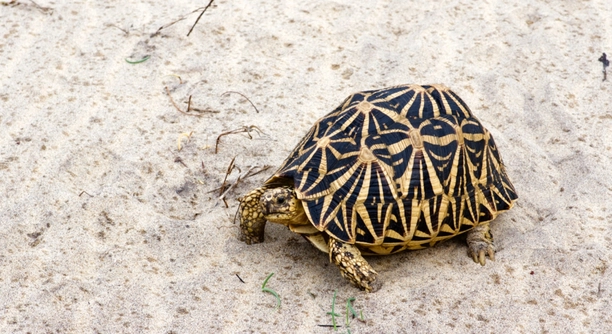
Turtles are known for their curious behavior, and one common action is trying to climb on their owners. Understanding why this happens can help strengthen the bond between you and your pet.
Turtles may attempt to climb on their owners due to their instinctual behavior or because they seek attention. This action is often linked to exploration, curiosity, and a desire to be close to their caretaker for comfort.
This behavior can reveal more about your turtle’s needs and preferences, providing insight into how to better care for your pet.
Understanding Turtle Behavior
Turtles often try to climb on their owners as part of their natural instincts. This action is linked to their need for exploration and a sense of security. In the wild, turtles climb on objects or other creatures for a variety of reasons, including resting or seeking warmth. When a turtle attempts to climb on you, it could simply be a sign of curiosity. They may be exploring their environment and view you as a familiar and safe figure. This behavior might also indicate that they are looking for interaction, whether it’s petting or simply your presence.
Turtles are social creatures that enjoy attention. If your turtle tries to climb on you, it’s a way for them to get closer to you and possibly to seek warmth. They don’t mean any harm but might feel more secure when physically closer to their caretaker.
Understanding why your turtle climbs on you helps ensure their needs are met. You can create a safe and interactive environment that encourages them to express their natural behaviors in positive ways.
Addressing the Behavior
Turtles are naturally curious animals, and when they try to climb on you, it may simply be because they are interested in their surroundings. It’s a part of their instinctual behavior to explore and investigate.
If your turtle frequently climbs on you, it could be a sign they need more interaction. Turtles may seek warmth and comfort, so providing a heated area within their enclosure could reduce this behavior. Sometimes, they just want to feel close to you. Regularly spending time with your turtle helps establish a bond and can reduce their need to climb. A warm, safe, and engaging environment is key to keeping your turtle content and active.
Why Turtles Climb on Their Owners
Turtles climb on their owners because they see them as a source of comfort and security. They may also climb as a way to interact or explore their environment. The behavior is natural and usually harmless.
When a turtle climbs on you, it might be seeking warmth, a sense of closeness, or simply testing its environment. Turtles are curious creatures and will try to climb objects they feel safe around. While some might find it endearing, others may wonder if this behavior could indicate a deeper issue. It’s important to understand that this is part of their instinctual nature.
By providing a secure space and ensuring they have enough stimuli in their habitat, you can help minimize the urge to climb on you frequently. However, a healthy bond formed through interaction is important for your turtle’s well-being. Your turtle likely sees you as a part of its safe zone.
How to Manage the Behavior
To reduce your turtle’s tendency to climb on you, focus on offering a suitable environment. They may try to climb as a sign they are seeking attention, warmth, or a more comfortable place.
Provide them with a heated area within their enclosure. This can help meet their natural need for warmth, especially if they feel cold or exposed. Additionally, placing items such as rocks or logs in the tank can help them satisfy their climbing instincts without resorting to climbing on you. These small adjustments help manage the behavior and maintain a healthy living environment for your turtle. By setting up the right space, you can make your turtle’s exploration feel more secure.
Encouraging them to climb on appropriate objects will also strengthen the bond you have with your pet. By understanding their needs and acting accordingly, you can create a comfortable, engaging, and safe space.
The Role of Interaction in Turtle Behavior
Turtles may climb on their owners simply to seek more interaction. They can view you as a source of comfort, affection, or stimulation. Spending time with them helps fulfill these needs.
Your turtle’s need for social engagement may lead them to climb on you. Even though they’re independent creatures, they still crave interaction. You can make this behavior more manageable by offering physical touch and attention regularly. This helps reassure your turtle and strengthen the bond between you both. The more your turtle feels secure, the less likely they are to climb on you out of need for comfort.
Offering Alternative Climbing Opportunities
If your turtle continues to climb on you, providing alternative climbing structures in its enclosure can help. Items such as logs or ramps give them a chance to explore safely. These items offer them the climbing experience without needing to approach you for it.
Adding variety to their environment not only satisfies their climbing instincts but also keeps them mentally stimulated. They’ll enjoy exploring new spaces, and you can rest easier knowing they’re getting their exercise and engagement in a healthy way. The right environment can limit the need for climbing on you.
FAQ
Why does my turtle climb on me?
Turtles climb on their owners for various reasons, mainly due to their instinct to explore and seek comfort. They might climb on you because they view you as a safe, familiar presence in their environment. It could also be a sign they are looking for warmth or closeness, as they naturally seek heat to regulate their body temperature. This behavior is often linked to their curiosity and need for interaction. Turtles are social animals and may try to climb to engage with you in a more personal way.
Is it normal for my turtle to climb on me often?
Yes, it’s quite normal for a turtle to climb on you occasionally. If it’s happening frequently, however, it could be a sign they are seeking more interaction or comfort. Some turtles are naturally more curious or social, leading them to explore their surroundings, including their owners. However, if it becomes excessive or disruptive, consider examining their habitat. Ensuring they have enough space, warmth, and stimulation may reduce the need to climb on you as much. Offering alternative climbing objects within their tank can also help redirect this behavior.
How can I stop my turtle from climbing on me all the time?
To reduce your turtle’s climbing behavior, you need to ensure that they feel comfortable in their own space. Providing ample climbing opportunities in their enclosure, such as logs, ramps, or rocks, can help meet their need for exploration. A heated basking area is also crucial, as turtles are drawn to warmth and may climb on you for that reason. If the behavior continues, make sure you’re giving your turtle enough attention and handling them gently to reduce any anxiety that may prompt this behavior. You can also create a more engaging environment that meets their natural needs.
Should I be worried if my turtle climbs on me?
In most cases, no, it’s not something to be worried about. Turtles climb on their owners as part of their normal behavior. It’s an instinctual act of exploration or seeking warmth. However, if your turtle is climbing on you excessively or in a way that seems aggressive or uncomfortable for either of you, it might be worth considering their overall health and environment. A well-maintained habitat with proper lighting, temperature, and stimulation can help manage such behaviors. If you’re concerned about other signs like lethargy or abnormal behavior, it’s a good idea to check with a vet.
Does climbing on me mean my turtle likes me?
Yes, climbing on you can be a sign that your turtle feels comfortable around you. Turtles often form bonds with their caretakers and may seek proximity or affection. By climbing on you, your turtle may be looking for warmth, attention, or simply a closer connection with you. While turtles aren’t as affectionate as some other pets, they can form trusting relationships with their owners. The act of climbing could be a demonstration of trust and comfort.
Can climbing on me be harmful to my turtle?
Climbing on you isn’t likely to cause harm to your turtle, but it can lead to accidents if not carefully monitored. Turtles have hard shells that help protect them, but they are not always able to control their movements as well as some other animals. If your turtle tries to climb too high on you or falls, it could injure itself. It’s important to supervise your turtle during these interactions to ensure their safety. Providing stable climbing surfaces in their habitat can reduce the need for them to climb on you.
Is my turtle climbing on me a sign of stress?
It’s possible, though not necessarily. If your turtle climbs on you more often than usual, it could be due to stress or anxiety. This could be related to changes in its environment, improper tank conditions, or not enough stimulation. In this case, the climbing behavior might be a way for the turtle to seek comfort. Stress can also manifest in other ways, like changes in appetite or behavior. If you notice signs of stress beyond climbing, you should investigate your turtle’s living conditions or consult a veterinarian to ensure everything is okay.
How can I tell if my turtle is stressed?
Stressed turtles often show signs like a lack of appetite, lethargy, or excessive basking. They may also act more aggressively or become less responsive to you. A stressed turtle might retreat into its shell more frequently, avoiding interaction or exploring. Monitoring their behavior and looking for changes in eating habits or activity levels is key. Poor water quality, inadequate lighting, and temperature imbalances can all contribute to stress, so it’s important to maintain optimal tank conditions to avoid these issues.
Can I encourage my turtle to stop climbing on me by ignoring it?
Ignoring your turtle when it climbs on you might not be the most effective method to discourage the behavior. Instead, focus on providing alternative activities and environments that satisfy your turtle’s need for exploration and comfort. While ignoring the behavior could reduce the attention-seeking aspect, it’s better to ensure their habitat is properly set up to limit the need for climbing on you. A balanced approach, offering both attention and appropriate enrichment, is more likely to help manage the behavior in the long run.
Does my turtle need to be handled often?
Turtles are not as social as some pets, and they don’t require as much handling. However, gentle interaction can help build trust and strengthen the bond between you and your turtle. Too much handling can stress them out, especially if they are not accustomed to it. It’s best to handle your turtle for short periods, especially when they show interest in interacting. When done properly, occasional handling can be beneficial, but overdoing it may lead to unwanted behavior, such as climbing on you for attention.
Final Thoughts
Turtles may climb on their owners for a variety of reasons, including seeking comfort, warmth, or simply out of curiosity. It is a natural behavior that most turtles display as part of their exploration process. Whether your turtle is looking for affection, warmth, or just engaging with you, this behavior is often harmless. Understanding why your turtle climbs can help in managing the situation and finding a solution that works for both you and your pet.
Providing a comfortable and stimulating environment is key to reducing unwanted climbing behaviors. If your turtle frequently climbs on you, it might be a sign that their habitat lacks enough climbing opportunities or mental stimulation. Offering ramps, logs, and other climbing structures can give them a way to explore safely within their own space. Ensuring the right temperature and lighting is also essential, as turtles are drawn to warmth. A well-maintained environment can reduce their need to seek out human interaction for warmth or attention.
Handling your turtle gently and appropriately can help build trust, but it’s important to remember that turtles are not as social as other pets. They don’t require constant interaction and may prefer more independent activities. If your turtle’s climbing behavior is frequent or disruptive, providing alternative ways for them to engage with their surroundings can help. By creating an environment that meets their natural needs, you can help manage their behavior in a way that feels comfortable for both you and your turtle.

Hello,
If you enjoy the content that we create, please consider saying a "Thank You!" by leaving a tip.
Every little bit helps us continue crafting quality advice that supports the health, happiness, and well-being of pets around the world, for pets of all shapes, sizes, and species.
We really appreciate the kindness and support that you show us!