
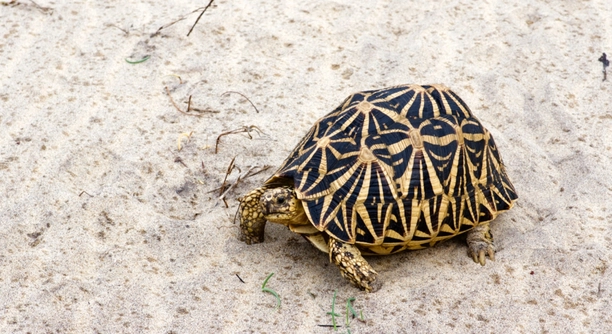
Is your turtle’s habitat set up for long-term health and comfort? Choosing the right substrate is essential for maintaining a clean, safe, and natural environment. The right choice supports your turtle’s well-being and helps create a thriving enclosure.
The best substrates for a healthy turtle habitat include coconut fiber, river sand, cypress mulch, and crushed coral. These materials provide proper moisture retention, drainage, and burrowing opportunities while minimizing the risk of impaction or bacterial growth in your turtle’s enclosure.
Providing a suitable substrate ensures a comfortable and enriching space for your turtle. Understanding the benefits of different options will help you create a habitat that promotes both physical and mental well-being.
Coconut Fiber for Moisture Retention
Coconut fiber is an excellent substrate for turtle habitats, especially for species that need a humid environment. It holds moisture well, preventing excessive dryness that can lead to health problems. This material is also soft, making it comfortable for turtles to walk and burrow in. Additionally, coconut fiber is resistant to mold and helps control odors. It is a natural and eco-friendly option that promotes a healthy enclosure. Regular misting keeps it from drying out, ensuring the habitat remains at an optimal humidity level. Spot cleaning and occasional full replacements maintain cleanliness and prevent bacterial buildup.
Coconut fiber is ideal for turtles that need high humidity levels. It helps maintain moisture without becoming overly soggy, reducing the risk of shell and skin issues. This makes it a reliable choice for species that thrive in warm, damp conditions.
When setting up coconut fiber, ensure it is evenly spread across the habitat. A layer of at least two inches provides enough depth for burrowing. Misting the substrate lightly each day keeps it from drying out. Avoid soaking it, as excessive moisture can cause bacterial growth. Regularly check for any soiled areas and remove them promptly. With proper maintenance, coconut fiber creates a safe, comfortable, and natural environment for your turtle.
River Sand for a Natural Look
River sand is a great choice for turtle habitats, offering a natural aesthetic while supporting natural behaviors. It is soft, allowing turtles to dig and move comfortably, while also promoting proper drainage.
One of the main benefits of river sand is its ability to prevent water pooling. Unlike compacted substrates, it allows excess moisture to drain away, keeping the habitat clean and dry. This is particularly important for semi-aquatic turtles that need a balance between wet and dry areas. River sand also encourages natural foraging behaviors, providing mental stimulation. However, not all types of sand are safe. Fine, dusty sand can cause respiratory issues, while sharp or coarse varieties may irritate a turtle’s skin.
To set up river sand correctly, choose a high-quality, natural option that is free of dyes and chemicals. Rinse it thoroughly before use to remove any dust or debris. A layer of about two to three inches is ideal, giving your turtle enough depth to dig while ensuring proper drainage. Cleaning is simple—regularly sifting through the sand removes waste, and occasional deep cleaning prevents bacterial growth. River sand provides a natural and functional substrate that enhances your turtle’s habitat.
Cypress Mulch for a Soft and Absorbent Base
Cypress mulch is a great option for turtle enclosures, offering a soft texture that makes it comfortable for walking and burrowing. It retains moisture well, helping to maintain humidity levels without becoming overly damp. This substrate also has natural antimicrobial properties, reducing the risk of bacterial buildup.
One of the biggest advantages of cypress mulch is its ability to prevent mold growth. Unlike other organic materials, it resists decomposition, making it a long-lasting choice. It also provides insulation, keeping temperatures stable in the enclosure. However, it’s essential to choose pure cypress mulch without added chemicals or dyes. Treated wood chips can be harmful to turtles, leading to respiratory and digestive issues.
To keep cypress mulch clean, remove waste daily and replace soiled areas as needed. Every few weeks, a full substrate change helps prevent bacterial buildup. Light misting keeps the humidity balanced, ensuring a comfortable and safe environment. With proper maintenance, cypress mulch creates a natural and healthy habitat.
Crushed Coral for Maintaining pH Balance
Crushed coral is a beneficial substrate for turtle tanks, especially for species that require alkaline water conditions. It naturally buffers pH levels, preventing acidity from building up. This helps create a stable aquatic environment, reducing stress and health risks for turtles.
One of the main reasons to use crushed coral is its ability to slowly release calcium into the water. This mineral supports shell health, promoting strong and healthy growth. It also improves water clarity by reducing acidity, which helps prevent algae overgrowth. While it is most commonly used in aquatic setups, it can be mixed with other substrates for semi-aquatic species. However, crushed coral should be used in moderation, as excessive amounts can make the water too hard, leading to mineral buildup.
To use crushed coral effectively, rinse it thoroughly before adding it to the habitat. A thin layer on the bottom of the tank is usually enough to maintain pH stability. If using it in a land-based enclosure, mix it with softer substrates to provide a balanced texture. Regularly monitor water parameters to ensure optimal conditions. With proper use, crushed coral helps maintain a clean and healthy turtle habitat.
Topsoil for a Natural and Burrow-Friendly Environment
Topsoil is a simple and effective substrate for turtles that enjoy digging. It provides a natural texture, allowing turtles to engage in instinctive burrowing behaviors. Unlike some commercial mixes, pure topsoil is free of harmful chemicals or additives that could be dangerous for your pet.
Moisture retention is another key benefit of topsoil. It helps maintain humidity levels without becoming too compact or dusty. Mixing it with sand improves drainage, preventing excess moisture buildup. When choosing topsoil, ensure it is free from fertilizers, pesticides, or added organic matter. Regular spot cleaning and occasional full replacements keep it fresh.
Reptile Carpet for Easy Maintenance
Reptile carpet is a reusable substrate that simplifies enclosure cleaning. Unlike loose substrates, it prevents accidental ingestion, making it a safer choice for some turtles. It also provides a soft surface, reducing the risk of shell and skin irritation. Cleaning involves regular washing and drying to prevent bacterial buildup.
FAQ
What is the best substrate for a turtle tank?
The best substrate depends on your turtle species and habitat setup. For aquatic turtles, crushed coral or river sand works well for water clarity and pH balance. Semi-aquatic turtles benefit from cypress mulch or coconut fiber, as these retain moisture and promote burrowing. Consider each turtle’s specific needs for moisture, pH balance, and comfort when choosing a substrate.
Can I use sand as a substrate for turtles?
Yes, sand can be used for turtles, but it should be the right type. River sand or play sand is ideal, as it is softer and allows for proper drainage. Fine sand should be avoided, as it can cause respiratory issues if inhaled. Too much sand can also lead to impaction if ingested, so moderation is key.
How often should I change the substrate in my turtle’s habitat?
Substrate changes depend on the type used. For coconut fiber, cypress mulch, and topsoil, partial changes every few weeks help maintain cleanliness, while a full substrate replacement is recommended every 1-2 months. For sand or gravel, spot cleaning works well, but it’s still important to change it entirely every 3-6 months to prevent bacteria buildup.
Can I use regular soil for my turtle habitat?
Regular soil can be used, but it’s crucial to ensure it’s free of pesticides, fertilizers, or chemicals. Topsoil is a better option because it’s cleaner and designed for reptiles. When using soil, ensure it has good drainage and moisture retention, and consider mixing it with sand for better texture.
Is it safe to use gravel as a substrate for turtles?
Gravel can be used, but it’s not the best option for all turtles. It can be too hard on their shells and may cause injuries. Turtles may also accidentally ingest it, leading to impaction. If you choose gravel, opt for larger, rounded pieces to minimize these risks.
Do I need to add calcium to my turtle’s substrate?
Adding calcium to your turtle’s habitat can be beneficial, especially for species that need strong shells. Crushed coral is a natural source of calcium and can be added to the substrate for this purpose. However, be cautious not to add too much, as excessive calcium can alter water hardness and pH levels.
Can I mix different substrates together for my turtle’s habitat?
Yes, mixing substrates is often a good idea, as it combines the benefits of different materials. For example, mixing sand with topsoil improves drainage while maintaining moisture retention. However, make sure the mixture suits your turtle’s needs and doesn’t create an overly dry or wet environment.
How do I clean the substrate in my turtle tank?
Cleaning the substrate depends on the material used. For organic substrates like cypress mulch or coconut fiber, spot clean waste daily and replace soiled areas. For sand, use a fine mesh sieve to remove waste, and rinse it periodically. Reptile carpets should be washed regularly with reptile-safe cleaners.
Is there a substrate that helps with odor control?
Some substrates, like cypress mulch and coconut fiber, naturally help control odors by absorbing moisture and reducing bacterial growth. Activated carbon or a filter can also be used in the tank to help manage odors. Regular cleaning and maintenance are essential for keeping odors under control.
Can I use pine or cedar shavings in my turtle’s habitat?
Pine and cedar shavings are not recommended for turtles. These woods contain oils that can be toxic and cause respiratory problems. They also break down too quickly and can lead to poor substrate quality. Stick to safer options like cypress, coconut fiber, or play sand.
How do I maintain the humidity level in my turtle’s habitat?
Maintaining the right humidity level depends on the type of substrate used and your turtle’s needs. Substrates like coconut fiber and cypress mulch retain moisture well, but you may still need to mist the habitat regularly to keep humidity levels consistent. A hygrometer can help you monitor the humidity, and a small water dish or humidifier can also help maintain the balance.
Can I use moss as a substrate for turtles?
Moss can be used in small amounts, especially as a supplement to other substrates. It helps maintain moisture and provides an enriching environment for turtles that enjoy burrowing. However, moss should not be the primary substrate, as it doesn’t offer enough support or structure for all turtle species.
Do I need to worry about substrate and water temperature?
Yes, the substrate can influence water temperature. For aquatic turtles, substrates like gravel and sand may trap heat and affect the overall water temperature. Ensure your tank has a good heating system, and monitor the temperature regularly. Avoid using materials that insulate the water too much, as this can make it harder to regulate.
How can I prevent my turtle from eating the substrate?
To prevent your turtle from ingesting the substrate, avoid using small, fine materials like sand that can easily be consumed. Instead, opt for larger, softer substrates like coconut fiber or cypress mulch. You can also provide plenty of food and stimulation, which may reduce the likelihood of your turtle nibbling on its habitat.
Is it necessary to add a heat source when using certain substrates?
Some substrates, like cypress mulch or topsoil, can absorb heat, so you may need to monitor the overall temperature of the habitat. Adding a heat source, like a basking lamp or heat pad, ensures the substrate and overall environment stay at an appropriate temperature for your turtle’s needs. Regular monitoring of the habitat will help maintain the right balance.
Final Thoughts
Choosing the right substrate for your turtle’s habitat is crucial to their health and well-being. Each type of substrate offers different benefits, so it’s important to understand what works best for your turtle species. For aquatic turtles, substrates like river sand or crushed coral can help maintain water quality, while semi-aquatic turtles may prefer something more natural, such as coconut fiber or cypress mulch. The substrate should support their natural behaviors, such as burrowing, and help maintain the right humidity and temperature. Consider how much time you’re willing to spend on maintenance, as some substrates require more frequent cleaning and replacement than others.
The health of your turtle’s environment depends on the substrate’s ability to retain moisture and support proper temperature regulation. Substrates that retain too much moisture, like certain types of soil, can lead to issues with mold and bacteria. Conversely, materials that dry out too quickly may make it difficult to keep the humidity levels stable. Be sure to choose a substrate that matches the natural habitat of your turtle to ensure they stay comfortable and healthy. Regular cleaning and maintenance are necessary to avoid harmful bacteria buildup, no matter what substrate you choose.
Ultimately, there’s no one-size-fits-all substrate for turtles. It’s important to do your research based on your turtle’s species, size, and the type of environment you want to create. Whether you choose sand, soil, reptile carpet, or another option, each substrate will have its own pros and cons. Monitoring your turtle’s behavior and the overall tank environment will help you determine if changes are needed. A little effort goes a long way in ensuring your turtle has a comfortable, safe, and healthy habitat.

Hello,
If you enjoy the content that we create, please consider saying a "Thank You!" by leaving a tip.
Every little bit helps us continue crafting quality advice that supports the health, happiness, and well-being of pets around the world, for pets of all shapes, sizes, and species.
We really appreciate the kindness and support that you show us!