
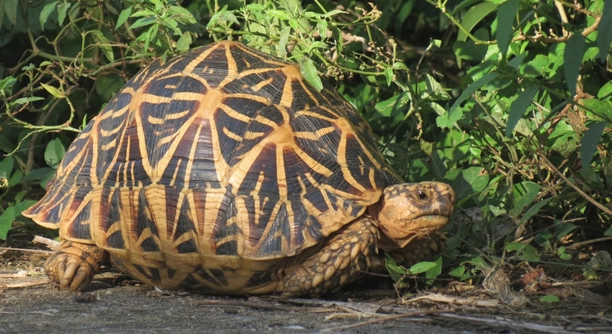
If you own a turtle, you know how important it is to keep them healthy. One often overlooked factor is UVB lighting, which plays a crucial role in their well-being. It’s important to know the signs that your turtle may need more UVB light.
Turtles require UVB light to synthesize vitamin D3, which helps them absorb calcium and maintain healthy shells and bones. Without enough UVB exposure, they can develop health problems like metabolic bone disease or a weakened immune system.
Understanding these signs can prevent health issues and improve your turtle’s quality of life. By making adjustments to their lighting, you can ensure they thrive in their habitat.
1. A Turtle’s Shell Starts to Look Dull
When your turtle’s shell loses its natural shine and appears dull or discolored, it could be a sign of inadequate UVB exposure. UVB light helps maintain the health of your turtle’s shell by promoting calcium absorption. Without proper UVB lighting, your turtle may have trouble absorbing essential nutrients. Over time, this can lead to shell issues like softness, deformities, or discoloration.
A healthy shell should be smooth and shiny, not dry or faded. If you notice these changes, it’s worth evaluating the UVB lighting in your turtle’s enclosure. Make sure the light source is the right intensity and positioned properly for your turtle to bask under it.
Besides UVB lighting, water quality and diet are also essential factors that affect shell health. If your turtle’s shell continues to look poor despite correcting the lighting, it might be worth looking into other aspects of its care routine. Regular check-ups with a vet can ensure that your turtle is getting the proper care it needs.
2. Lack of Basking Behavior
When a turtle stops basking or spends significantly less time basking, it could be due to insufficient UVB light. UVB is necessary for turtles to regulate their metabolism and energy levels. If the UVB light is not strong enough, your turtle may feel less inclined to bask in the warmth, leading to low energy and overall lethargy.
The basking area should always be a place where your turtle feels safe and comfortable, with the proper amount of heat and light. If the light source is outdated or poorly positioned, your turtle may not be able to absorb the benefits it needs.
Proper basking not only helps your turtle maintain a healthy body temperature but also ensures it gets enough UVB exposure. Without basking, your turtle is at risk of developing health issues that may not be immediately obvious but can become serious over time.
3. Swollen or Soft Limbs
If your turtle’s legs appear swollen or soft to the touch, it’s a clear sign that they might not be getting enough UVB light. This issue often stems from calcium deficiencies, which are caused by improper UVB exposure. Over time, the lack of UVB prevents the body from properly absorbing calcium, leading to weakened bones.
Swollen limbs, soft shells, and weakened muscles are common signs of metabolic bone disease. This condition occurs when a turtle doesn’t get enough UVB to synthesize vitamin D3, leading to poor calcium absorption. It is essential to monitor the light levels and exposure to prevent this from happening.
A healthy turtle should have firm limbs and a strong shell. If your turtle’s legs feel soft or swollen, it’s a sign to take action. You may need to increase the UVB exposure or switch to a higher-quality UVB light source. Consult with a vet to determine the best solution.
4. Loss of Appetite
Turtles who are not getting enough UVB light might also stop eating or show a significant decrease in appetite. UVB exposure is essential for digestion and overall energy levels. Without enough light, turtles often experience fatigue or discomfort, which can make them reluctant to eat.
A turtle’s digestive system depends on a proper balance of UVB light and calcium. Without this, the turtle might not feel well enough to eat or may lose interest in food altogether. You might notice that your turtle is not as active and isn’t responding to food.
If this occurs, check your turtle’s light source, making sure it’s powerful and positioned correctly. Also, ensure your turtle’s tank is kept at the right temperature and that its diet includes all necessary nutrients. If the loss of appetite continues, a vet consultation is a good next step.
5. Unusual Behavior or Lethargy
A turtle that shows unusual behavior, like becoming less active or more sluggish than usual, may be lacking proper UVB light. This can lead to lethargy or changes in how your turtle interacts with its environment. Proper UVB light is essential for maintaining a turtle’s energy and activity levels.
Turtles need UVB light to stay active and healthy. Without enough exposure, they may become lethargic, staying hidden more often or refusing to interact. This change can be subtle at first, so it’s important to regularly monitor your turtle’s behavior for signs of reduced energy.
6. Difficulty Shedding Skin
Turtles rely on UVB light for proper skin health, including the process of shedding. If your turtle has trouble shedding its skin or the skin looks unhealthy, it could be a sign of UVB deficiency. UVB promotes the shedding process by helping the turtle produce vitamin D3.
Inadequate UVB can cause the skin to become thick, dry, or patchy. This might make it harder for your turtle to shed properly, leading to skin buildup. Proper UVB exposure encourages a healthier shedding cycle, which is important for your turtle’s overall well-being.
FAQ
How long should I keep the UVB light on for my turtle?
UVB lights should be on for about 10-12 hours a day, mimicking natural daylight hours. This gives your turtle enough time to bask and absorb the necessary UVB radiation. Keep in mind that UVB lights do not last forever. Be sure to replace them every 6-12 months, depending on the type of bulb you use.
Turtles thrive on a natural day-night cycle, so it’s helpful to have a timer for the light to ensure consistent lighting periods. This consistency helps regulate their sleep and activity cycles. Avoid leaving the UVB light on for too long or keeping it on during the night, as this can interfere with your turtle’s natural rhythms.
What type of UVB light should I use for my turtle?
There are a few options for UVB lights, but the most common are fluorescent bulbs or mercury vapor bulbs. Fluorescent bulbs are more affordable but need to be replaced more frequently. Mercury vapor bulbs, though more expensive, last longer and provide both heat and UVB.
For most turtles, a fluorescent UVB bulb with a 5.0 to 10.0 UVB rating works well. However, it’s important to make sure the bulb is suitable for the size of your turtle’s tank and its species’ specific needs. Check the packaging or the manufacturer’s recommendations to choose the correct bulb type.
Can my turtle get enough UVB light from natural sunlight?
While natural sunlight is a great source of UVB, it’s not always reliable, especially if your turtle lives indoors. Even if you let your turtle bask in the sun, the UVB rays can be blocked by windows. Turtles should receive UVB exposure every day, and relying solely on sunlight might not provide the needed consistency.
A good rule of thumb is to give your turtle access to both natural sunlight and artificial UVB lighting. When taking your turtle outdoors, be cautious of temperature changes or unsafe environments. UVB bulbs can ensure your turtle is getting the required exposure even when natural sunlight isn’t an option.
How close should the UVB light be to my turtle?
The distance between the UVB light and your turtle depends on the type of bulb you’re using. For fluorescent bulbs, the light should be placed 6-12 inches above the basking area. For mercury vapor bulbs, they should be 12-18 inches away.
The closer the light is, the more intense the UVB exposure. However, keep in mind that the intensity of UVB decreases with distance, so it’s essential to follow the recommended distance to ensure your turtle receives adequate exposure. Be sure the light is not too far or too close, as this could either reduce its effectiveness or cause overheating.
Do turtles need UVB light at night?
No, turtles do not need UVB light at night. UVB light mimics the natural sunlight cycle, which means it should be on during the day and off at night. Having the UVB light on during the night could disrupt your turtle’s circadian rhythm, potentially affecting its health and behavior.
At night, your turtle needs a period of rest in a dark, quiet environment. Avoid using UVB lighting after dark, and if your turtle needs warmth at night, consider a heat lamp that doesn’t emit UVB radiation.
Can too much UVB light harm my turtle?
Yes, too much UVB light can harm your turtle. Prolonged exposure to high levels of UVB can cause skin damage, burns, or even eye problems. UVB light should be used correctly, with the proper duration and distance, to avoid overexposure.
It’s essential to monitor the amount of time your turtle is basking under the light. While UVB is necessary for their health, moderation is key. If you notice any signs of skin redness, irritation, or lethargy, check your lighting setup to make sure it’s not too intense.
How can I tell if my turtle is getting enough UVB light?
Signs that your turtle is getting enough UVB light include healthy shell growth, active behavior, and proper shedding. If your turtle is still basking regularly and appears energetic, it’s likely getting the necessary UVB exposure.
If your turtle shows signs like lethargy, loss of appetite, or soft shell, it might not be getting enough UVB. In such cases, adjust the lighting setup and seek advice from a vet. Consistent, proper UVB lighting is essential to keep your turtle healthy.
How do I set up a basking area with UVB light?
To create the best basking area, place the UVB light directly over a designated spot where your turtle can bask. The area should be dry and easy for your turtle to climb onto. Ensure there is a heat source nearby, as UVB light alone won’t raise the temperature.
The basking area should be positioned within the recommended distance from the UVB light. Make sure your turtle has access to both UVB and heat at the same time to regulate body temperature. Adding a floating dock or a smooth platform gives your turtle a safe place to rest and absorb UVB.
Is there a way to check if the UVB light is working properly?
Yes, you can check if the UVB light is working by using a UVB meter, which measures the amount of UVB radiation emitted from the bulb. These meters can help ensure your light is providing adequate UVB exposure.
If you don’t have a UVB meter, keep track of the bulb’s age and replace it every 6-12 months, as the UVB output decreases over time. Regularly inspecting the light’s condition and placement can also help maintain effective UVB exposure for your turtle.
Final Thoughts
UVB light is a crucial part of your turtle’s overall care, impacting everything from its shell health to energy levels. Ensuring that your turtle has proper UVB exposure is essential to its well-being. Without enough UVB light, your turtle may experience health issues, such as a weakened shell, loss of appetite, or lethargy. These problems are preventable by simply providing the right lighting and ensuring that it’s used properly in your turtle’s habitat. Regular monitoring of the light’s effectiveness and positioning is key to avoiding these issues.
Besides UVB light, other factors like diet and water quality play important roles in your turtle’s health. A balanced diet with enough calcium and a clean environment are just as necessary as UVB light. However, without UVB exposure, even the best diet and water conditions may not be enough to keep your turtle healthy. This is why it’s important to focus on providing both proper lighting and the right care. A combination of UVB light, proper heat, and a clean tank can lead to a happier and healthier turtle.
Remember, turtles are creatures of habit, and changes in their environment can affect them more than we realize. Small signs like a change in behavior or a dull shell could indicate that your turtle’s UVB needs are not being met. By staying consistent with lighting, monitoring your turtle’s activity, and adjusting as needed, you’ll help ensure a long, healthy life for your pet. Regular check-ups with a vet can also be helpful, particularly if you’re noticing health changes. Taking care of your turtle’s lighting needs will go a long way in preventing future health problems and keeping your turtle content.

Hello,
If you enjoy the content that we create, please consider saying a "Thank You!" by leaving a tip.
Every little bit helps us continue crafting quality advice that supports the health, happiness, and well-being of pets around the world, for pets of all shapes, sizes, and species.
We really appreciate the kindness and support that you show us!