
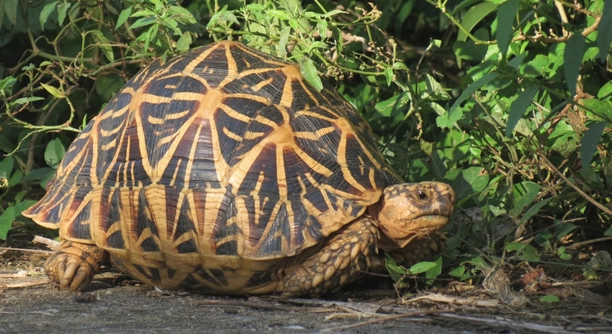
If your turtle is losing its balance, it could be a sign of something that needs attention. This behavior can often be linked to a number of health or environmental factors that need to be addressed promptly.
The most common causes of balance issues in turtles include ear infections, neurological disorders, and poor living conditions. Stress from inappropriate water temperature or improper diet can also contribute to this problem. A proper diagnosis is crucial.
Addressing your turtle’s balance problems involves understanding these potential causes. Identifying the right treatment plan will help restore your pet’s stability and overall health.
Common Health Issues That Affect Your Turtle’s Balance
Turtles can experience balance issues due to a variety of health problems. One of the most common is an ear infection. These infections can occur when water enters the ear canal, leading to swelling and difficulty swimming. Symptoms include tilting their head or having trouble keeping balance in water. Another potential issue is neurological disorders. These conditions can be caused by a variety of factors, including infections or vitamin deficiencies. If a turtle suffers from such a disorder, it may have problems with coordination and walking. It’s essential to recognize these signs early on to provide treatment before the issue worsens.
Ear infections are often treated with medication from a vet, while neurological conditions may require more extensive care. Proper care, including offering a well-balanced diet and ensuring clean water, can help prevent these issues. Addressing these health concerns quickly can ensure your turtle regains its balance and health.
Keeping your turtle’s living environment clean is key to preventing health issues. Regular vet visits will help catch any problems early.
Environmental Factors Impacting Your Turtle’s Balance
Sometimes, a turtle’s balance issues stem from the environment it lives in. Water temperature, lighting, and habitat size can all have an impact. When the water is too cold, it can make a turtle sluggish and lead to problems with movement. On the other hand, excessively warm water can cause stress, affecting balance and overall health. Additionally, turtles need access to both dry land and water, as improper habitat setup can result in weakness and disorientation. Without a proper basking spot, they can develop shell problems or become more prone to infections.
Maintaining an optimal habitat with the right water conditions and basking areas is vital. The temperature should stay between 75°F and 85°F in the water, with a basking area reaching 90°F. Proper UVB lighting is also essential for your turtle’s overall well-being. Regular cleaning and ensuring the habitat is free from contaminants will create a comfortable environment, reducing the risk of stress and health issues.
Regularly checking the water temperature and filtration system can go a long way in maintaining your turtle’s balance. Ensuring your turtle is well taken care of will promote better stability and a healthier lifestyle.
Vitamin Deficiencies and Imbalances
Turtles require a specific balance of vitamins to stay healthy. A lack of essential nutrients, such as vitamin A and calcium, can lead to balance problems. These deficiencies often result in weakness, disorientation, or even partial paralysis. Ensuring a proper diet is vital to prevent these issues.
Vitamin A plays an important role in maintaining a turtle’s immune system and skin health. Without it, a turtle can develop eye and respiratory problems, which may affect its coordination. Calcium is another critical nutrient, especially for shell development. A calcium deficiency can cause problems with bone health, leading to weakness and difficulty moving.
A balanced diet including leafy greens, protein, and occasional supplements can help address these issues. Consult a vet about the right foods and supplements to make sure your turtle gets all the nutrients it needs.
Stress and Overcrowded Environments
Turtles can also suffer from balance issues due to stress. Overcrowding in a tank, improper temperature, or too much handling can create anxiety for your turtle. Stress weakens the immune system and can affect coordination. It’s important to monitor your turtle’s behavior closely.
Too many turtles in one tank can lead to aggression and competition for space. This can cause stress, which, in turn, may affect your turtle’s ability to balance and move properly. If you have multiple turtles, make sure they have enough space to feel secure.
In addition to giving your turtle room, ensuring their habitat is calm, clean, and stable is essential. Reduce unnecessary handling, and provide a peaceful environment with consistent care. A low-stress space will help your turtle thrive and keep its balance in check.
Poor Diet and Nutritional Imbalance
A poor diet can directly affect a turtle’s ability to maintain balance. If they aren’t getting the proper nutrients, their coordination can suffer. A lack of variety in their meals can lead to nutrient deficiencies, making them more prone to health issues that impact their movement.
To maintain balance and health, turtles need a diet that includes leafy greens, protein, and calcium. Without a well-rounded meal plan, they can develop various health problems. Supplements may also be needed to fill in any nutritional gaps that may be present. Consult a vet for advice on proper feeding.
Infections and Parasites
Infections and parasites are often overlooked but can contribute significantly to balance issues in turtles. Bacterial, fungal, and parasitic infections can affect their neurological and overall health. These infections might make them lethargic or disoriented, causing them to lose their balance.
Symptoms of infection or parasites include unusual swimming behavior, lethargy, and abnormal postures. If you notice any of these signs, it’s important to take your turtle to the vet. They may need medication to treat the infection or parasite before balance issues can be resolved. Immediate care is key.
Improper Tank Maintenance
If your turtle’s habitat is not kept clean, it can lead to health problems affecting balance. Dirty water and a lack of proper filtration can lead to bacterial growth, which may cause infections. Poor water quality can stress out your turtle and disrupt its ability to move properly.
A proper tank setup includes regular water changes, filtration, and UVB lighting. Clean water promotes overall health and ensures that your turtle stays active and balanced. Taking care of your turtle’s environment is just as important as its diet and health treatments.
Why is my turtle tilting its head?
Head tilting in turtles can indicate an ear infection or neurological issue. An ear infection is a common cause and usually results from water entering the ear canal. This can cause swelling and lead to the turtle tilting its head to one side. If untreated, the infection can worsen and affect their balance. Neurological issues, which may arise from infections, vitamin deficiencies, or other health conditions, can also cause a turtle to tilt its head.
If you notice this behavior, it’s important to act quickly. Schedule a vet appointment to diagnose the issue and determine the proper treatment. In the meantime, ensure your turtle’s environment is clean, and they are receiving proper nutrition to support their immune system.
What can I do if my turtle is losing its balance?
Losing balance can be caused by a variety of issues, including ear infections, neurological disorders, or environmental stress. First, ensure your turtle’s habitat is clean and that the water temperature is within the recommended range. If the temperature is too cold or too warm, your turtle may become lethargic or lose coordination.
Check the turtle’s diet as well. A diet deficient in essential nutrients like vitamin A or calcium can lead to health problems that affect balance. If these factors seem in order, a visit to the vet is needed. The vet can help identify if there is an underlying health issue such as an infection or vitamin deficiency.
How can I prevent my turtle from getting sick?
Prevention starts with a clean environment, a balanced diet, and proper care. Ensure that your turtle has clean water, the correct water temperature, and access to UVB light. Regularly clean the tank to prevent bacteria or parasites from building up.
Feeding your turtle a varied diet, including leafy greens, proteins, and calcium supplements, is crucial. Calcium helps with shell and bone health, while vitamin A supports immune function and vision. Regular vet check-ups are also recommended to spot any health concerns before they become serious.
What are the signs that my turtle may have a neurological issue?
Neurological issues in turtles can manifest in several ways. These might include loss of balance, difficulty swimming or walking, head tilting, and disorientation. Turtles may also appear lethargic, weak, or unable to coordinate their movements properly. If you notice these signs, it’s important to seek a veterinarian’s advice.
Neurological problems can be caused by infections, parasites, or vitamin deficiencies. Early intervention is key to managing these issues. A vet may run tests to identify the underlying cause and recommend treatment. Without treatment, neurological issues can worsen and severely impact your turtle’s quality of life.
Is it okay for my turtle to live in a tank with other turtles?
Turtles can live with other turtles, but they need enough space to avoid stress. Overcrowding can lead to aggression, and stress can cause balance and health problems. Ensure that each turtle has enough room to swim, bask, and hide. Some turtles are more territorial than others, so it’s important to observe their behavior closely.
If you plan to house multiple turtles, ensure the tank is large enough and has plenty of hiding spots. Additionally, make sure the water is kept clean and at the right temperature for all the turtles. Regular cleaning and monitoring are crucial to keeping everyone healthy and stress-free.
How do I know if my turtle has a vitamin deficiency?
Vitamin deficiencies can be subtle at first, but there are several signs to watch for. If your turtle is not moving as much, seems lethargic, or is having trouble swimming, it might be a sign of a deficiency. Vitamin A deficiency can cause eye problems and respiratory issues, while calcium deficiency can result in weakness and shell deformities.
A balanced diet is the best way to prevent these deficiencies. Include a variety of foods such as leafy greens, proteins, and occasional supplements to make sure your turtle is getting the nutrients it needs. If you’re unsure about their diet, a vet can guide you in providing the right nutrition.
What should I do if my turtle’s water temperature is too high or too low?
Water temperature plays a big role in your turtle’s health. If the water is too cold, your turtle may become sluggish and have difficulty moving. Conversely, if it’s too hot, your turtle may become stressed and dehydrated. It’s important to keep the water temperature within the recommended range of 75°F to 85°F.
If the water is too cold, use a water heater to bring it up to the right temperature. If it’s too warm, adjust the heating system or remove the heater to allow the water to cool. Ensure that the water temperature is monitored regularly, as fluctuations can stress your turtle and cause health issues.
How often should I take my turtle to the vet?
It’s recommended to take your turtle to the vet for a check-up at least once a year. However, if you notice any changes in behavior or health, such as balance issues, lethargy, or changes in appetite, it’s important to visit the vet sooner. Regular check-ups help catch potential health problems early, ensuring your turtle stays healthy.
During a vet visit, the doctor may check for parasites, infections, or other health conditions. Keeping your turtle up to date on vaccinations and other treatments can prevent many common issues. Early detection and treatment are vital for maintaining your turtle’s well-being.
Why is my turtle not eating?
A lack of appetite in turtles can be caused by various factors. Stress, environmental changes, or an unbalanced diet are common reasons. If the tank is overcrowded or the water quality is poor, your turtle may refuse to eat. Temperature changes or improper lighting can also contribute to a lack of appetite.
Infections or illness are also possible causes, especially if your turtle is showing other signs of health issues, such as balance problems or lethargy. If your turtle refuses to eat for an extended period, it’s important to consult with a veterinarian to rule out any underlying health conditions.
Can my turtle get too much UVB light?
Yes, turtles can get too much UVB light, which can lead to overexposure and skin damage. Too much UVB light can cause burns on the turtle’s skin and shell, leading to health problems. It can also stress the turtle out, which could result in balance issues or other health problems.
Make sure the UVB lighting is used appropriately, with the correct wattage and distance from the basking area. Turtles need UVB light to process calcium and maintain healthy bones, but it should be balanced with periods of shade to avoid overexposure.
Taking care of a turtle requires attention to various factors, from its diet to its living environment. When a turtle loses its balance, it can be concerning, but it’s important to remember that there are many potential causes. Whether it’s a health issue like an ear infection or a neurological disorder, or something related to the habitat, understanding the underlying problem is crucial. Proper care can often help address the issue and restore your turtle’s well-being.
Regularly checking your turtle’s living conditions, such as water temperature and cleanliness, is essential for keeping them healthy. If you’re unsure whether your turtle’s habitat is properly maintained, it’s worth doing some research or consulting with a veterinarian. A balanced diet and proper lighting also play a significant role in keeping your turtle in good shape. By providing a well-maintained environment and good nutrition, you can help prevent many issues that could lead to balance problems.
If your turtle continues to have trouble with balance, it’s always a good idea to take them to the vet for a proper diagnosis. They can identify if there’s an infection or other underlying condition that requires treatment. The sooner you address the issue, the better the chances of your turtle making a full recovery. Taking small steps to ensure their health and comfort can go a long way in keeping your turtle happy and healthy.

Hello,
If you enjoy the content that we create, please consider saying a "Thank You!" by leaving a tip.
Every little bit helps us continue crafting quality advice that supports the health, happiness, and well-being of pets around the world, for pets of all shapes, sizes, and species.
We really appreciate the kindness and support that you show us!