
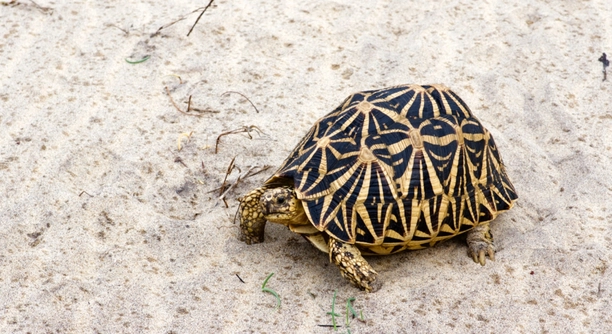
If you’ve noticed that your turtle seems fearful or stressed around you, this can be concerning. Understanding why this happens and how to approach it is key to building trust with your pet.
Turtles are naturally cautious creatures, and their fear may stem from sudden movements, unfamiliar environments, or improper handling. To gain their trust, it is essential to approach them calmly, with patience and consistent positive interactions.
There are several effective strategies you can use to build trust with your turtle and create a safer, more comfortable environment for them.
Understanding Why Your Turtle Is Afraid of You
Turtles are generally shy and reserved animals. Their instinct is to avoid threats, and if they feel scared or threatened by your presence, it can cause them to become anxious. A turtle’s response to fear may appear as them retreating into their shell, staying still, or swimming away. This behavior is simply their way of protecting themselves. Several factors can contribute to a turtle’s fear. One reason could be loud noises, quick movements, or sudden changes in their environment. Turtles can also be startled if they aren’t used to the presence of people or are handled incorrectly.
It’s important to remember that turtles are not accustomed to human interaction in the same way dogs or cats are. Their fear is often a result of unfamiliarity with their environment or the person handling them. Understanding this can help you approach them with more care and patience.
Building trust with your turtle takes time, and consistent positive interaction is key. Try not to rush the process, as forcing them into close contact too quickly can increase their fear. Being calm and gentle in your approach will help them gradually get comfortable around you.
Steps to Earning Your Turtle’s Trust
To gain your turtle’s trust, the first step is to create a calm, secure environment. Avoid loud noises and sudden movements around them.
Let your turtle become familiar with your presence. Spend time near their enclosure without forcing interaction. Over time, they’ll begin to associate you with a safe and non-threatening environment, which will help reduce their fear.
Next, offer treats in a gentle, non-threatening manner. Try placing the treats in their enclosure, but avoid reaching in quickly or grabbing them. You can even let your turtle approach the treats on their own terms. By allowing them to approach you at their own pace, they’ll start to see you as a source of positive experiences.
While your turtle may not immediately show affection, be patient. Over time, they will begin to trust you more, especially if you provide a stable and calm environment. Avoid handling your turtle unless necessary, as too much direct contact can lead to stress. Instead, allow them to explore their space and engage with you on their own. This process may take a while, but with patience, your turtle will feel more comfortable around you.
Give Your Turtle Space
Turtles value their personal space, and overcrowding or constant handling can lead to stress. A turtle will feel more at ease in its own environment without feeling overwhelmed. Allowing them the room to explore and move around freely is crucial.
Keeping their enclosure spacious is important for their comfort. Make sure they have ample space to swim or bask without being disturbed. A cramped environment can cause them to become fearful, especially if they feel cornered or trapped. It’s important to respect their need for space and provide a habitat that suits their natural behaviors. Avoid overcrowding with other pets or constant human interaction, as it may increase their anxiety.
Additionally, the placement of their tank or habitat is key. Keep it in a quiet area with minimal foot traffic to avoid sudden movements or loud noises. A turtle’s fear often comes from the feeling of being constantly watched or intruded upon. Giving them space, both physically and mentally, will help them feel safer and less afraid.
Use Calm, Gentle Movements
Turtles are sensitive to sudden movements. Abrupt actions can startle them, making them more afraid and hesitant to trust you. It’s important to approach your turtle slowly and with calmness to avoid triggering their fear response.
When you interact with your turtle, avoid fast or jerky movements. Gently reach out to them and let them move at their own pace. If you’re handling them, always support their body and allow them to feel secure. Don’t make quick grabs or force them into your hands. Instead, encourage them to come to you or allow them to move around in their environment. Over time, your turtle will become more accustomed to your presence if you consistently move calmly and slowly.
Being mindful of how you move around your turtle will show them that they are not in danger. This will build trust and make them feel more comfortable around you, leading to a more relaxed and secure pet.
Create a Safe, Comfortable Habitat
The environment plays a big role in your turtle’s behavior. Ensure their tank or enclosure is set up to mimic their natural habitat. A comfortable space can help reduce fear and stress.
Provide enough water for swimming, a basking area, and hideouts for security. Turtles feel safer when they have places to retreat and rest. The proper lighting and temperature also help them feel more at ease.
By giving your turtle a well-maintained and safe environment, you’ll encourage relaxation and a sense of security. This helps reduce their fear of you, as they will begin to associate their space with comfort.
Offer Treats to Build Trust
Offering food can be a simple yet effective way to gain your turtle’s trust. Place treats near their habitat and let them approach at their own pace.
Avoid forcing them to take food from you. Allowing them to eat freely while you’re nearby will help create a positive association. Over time, they will begin to see your presence as something good.
This approach will make your turtle feel more comfortable and safe, slowly easing their fear over time. Patience and consistency will help the process along.
Limit Handling to Build Confidence
Handling your turtle too frequently can cause stress. Instead of constantly picking them up, let them move around on their own terms.
Only handle your turtle when necessary, such as for cleaning or checking its health. Allowing them to explore their environment without constant interference helps reduce anxiety. The less you force interaction, the more confident and relaxed your turtle will become.
This will build trust over time and make your turtle feel safe.
FAQ
Why is my turtle hiding all the time?
Turtles are naturally inclined to seek shelter when they feel stressed, afraid, or uncomfortable. If your turtle is constantly hiding, it could be due to factors such as sudden changes in their environment, loud noises, or improper tank conditions. It’s important to make sure their habitat is quiet and secure. If your turtle has a proper hiding spot, like a cave or a sheltered corner, it may simply be seeking comfort and safety. However, if the hiding becomes excessive, it’s essential to check the water temperature, tank size, and overall environment for any stressors.
How can I tell if my turtle is stressed?
A stressed turtle may display a variety of behaviors. They might hide more often, refuse food, or even become more aggressive. Excessive basking or swimming in circles can also signal stress. Additionally, if your turtle pulls its head into its shell frequently or seems lethargic, these could be signs of anxiety or illness. If you notice these behaviors, assess the environment, check for any changes, and ensure they have a proper hiding spot. Stress can also result from handling too much, so try to minimize interaction if your turtle seems particularly anxious.
How do I know if my turtle trusts me?
Trust in turtles is built over time through calm and consistent interactions. If your turtle allows you to approach without retreating into its shell, it’s a good sign of trust. When feeding your turtle by hand or allowing them to crawl on you without displaying fear or trying to run away, it shows they feel safe with you. However, each turtle is different, and some may take longer to develop trust. Be patient and avoid forcing interactions, as this can hinder trust-building.
Can turtles become attached to their owners?
Turtles are not known for forming strong emotional bonds in the same way some pets do. However, they can become familiar with their caretakers and may show preference for certain people, especially if they consistently associate them with positive experiences such as feeding and care. Turtles do recognize their owners by sight and smell, and over time, they can become more comfortable and accustomed to human interaction, but the attachment may not be as intense as it is with more social pets like dogs or cats.
Why does my turtle eat only certain foods?
Turtles can be picky eaters, and their preferences may vary depending on their species and environment. If your turtle is refusing certain foods, it could be due to a lack of interest, or they may prefer specific textures, tastes, or even colors. Offer a variety of food options, such as vegetables, fruits, and protein sources like worms or fish, to see what your turtle enjoys. Ensure that their diet is balanced to meet their nutritional needs. If refusal to eat persists, it may indicate stress or an underlying health issue that should be addressed.
How often should I handle my turtle?
Turtles do not enjoy frequent handling and can get stressed with too much interaction. It’s best to limit handling to when it is necessary, such as for cleaning their tank or checking for any health issues. You can interact with your turtle by feeding it, allowing it to explore its habitat, or gently coaxing it with food, but avoid picking it up too often. Handling should be minimal to prevent stress and help your turtle feel comfortable in its environment.
Can a turtle’s fear be reduced with time?
Yes, a turtle’s fear can be reduced over time, especially if you create a safe and calm environment. Consistent and gentle interactions will help your turtle become more familiar with you and its surroundings. Be patient and avoid forcing your turtle into uncomfortable situations. Building trust takes time, but with the right approach, your turtle will gradually feel less fearful and more secure. Offering treats, creating a peaceful habitat, and minimizing sudden movements will all contribute to reducing your turtle’s anxiety.
Why does my turtle hide from the light?
Turtles need both light and dark periods to maintain a healthy lifestyle. If your turtle is hiding from the light, it could be due to the light being too bright or uncomfortable for them. Turtles need a balance of UVB light for proper shell and bone health, but too much direct light or heat can make them seek shelter. Ensure that your turtle has a shaded area where they can retreat to escape excessive light, especially during the hottest parts of the day.
Can I put my turtle in a bigger tank to reduce its fear?
A larger tank can certainly help reduce your turtle’s stress, especially if it feels cramped in a smaller one. Turtles need ample space to swim, bask, and explore. A cramped environment can make them feel trapped or unsafe, which contributes to their fear. A larger, properly equipped tank can provide more hiding spots, better water quality, and the space they need to feel comfortable. Just make sure that the tank is properly maintained, and the water temperature is optimal for your turtle’s needs.
How do I calm my turtle down during handling?
If your turtle becomes anxious or stressed when you handle it, calm and gentle movements are essential. Speak softly and approach slowly to avoid startling it. Always support its body properly when picking it up. Place your turtle on a flat surface and let it move freely if it seems uncomfortable. Avoid holding your turtle for too long, as this can increase anxiety. If your turtle is particularly scared, it may help to simply let it relax in its tank for a while before trying again.
Final Thoughts
Building trust with your turtle requires patience and understanding. Every turtle is unique, and they respond to different environments, handling methods, and interactions. The key is to create a calm and safe space where your turtle feels comfortable. A well-maintained habitat with proper water quality, temperature, and lighting will go a long way in helping your turtle feel secure. It’s also important to observe their behavior closely. If your turtle is stressed, it will show signs such as hiding, not eating, or being more aggressive. By recognizing these behaviors early, you can make changes to reduce stress and help them feel more at ease.
In addition to environmental factors, your interactions with your turtle are just as crucial. While turtles are not as social as other pets, they can still learn to trust you over time. Offering food, allowing them to approach you on their own, and avoiding excessive handling can help create positive associations. It’s important not to rush this process; forcing interaction can actually make the situation worse. The more you respect their space and let them come to you, the more likely your turtle will feel safe around you. Over time, your turtle will recognize you as a provider of care, and their fear will gradually lessen.
If you’re patient and consistent, your turtle will begin to show signs of comfort. Whether it’s approaching you for food or simply basking in your presence, these moments of connection are small victories. Every turtle will take its own time to trust and feel comfortable in its surroundings, so don’t be discouraged by slow progress. Trust-building is a gradual process, and the more effort you put into understanding your turtle’s needs, the better the bond you will form.

Hello,
If you enjoy the content that we create, please consider saying a "Thank You!" by leaving a tip.
Every little bit helps us continue crafting quality advice that supports the health, happiness, and well-being of pets around the world, for pets of all shapes, sizes, and species.
We really appreciate the kindness and support that you show us!