
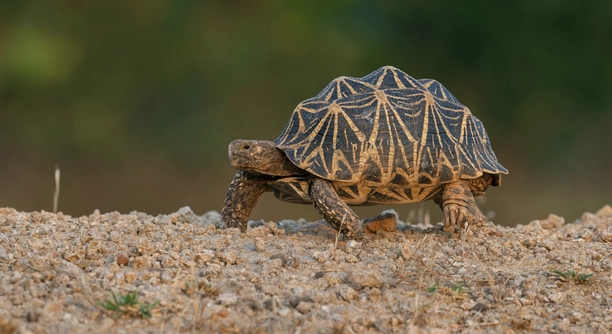
Turtles are fascinating creatures, but if you notice your turtle sleeping all the time, it may raise some concerns. It’s natural to wonder why they spend so much of their time resting. Understanding their behavior is key.
Turtles sleep a lot due to various factors, such as their natural sleep cycle, environmental conditions, or even health issues. Lack of proper light, improper water temperatures, or poor diet can contribute to increased sleep patterns.
Knowing the causes behind your turtle’s sleep habits will help you provide better care and ensure their well-being.
Light and Temperature Affect Sleeping Patterns
A turtle’s sleep is heavily influenced by the amount of light it receives and the temperature of its environment. In the wild, turtles naturally follow a day-night cycle, and exposure to sunlight helps regulate their circadian rhythms. Without proper lighting in their habitat, turtles may experience disrupted sleep patterns. If they are not exposed to UVB light, it can also affect their health, leading to lethargy and excessive sleep. Temperature plays a crucial role as well. If the water or the basking area is too cold, your turtle will spend more time resting to conserve energy. On the other hand, if it’s too warm, it may feel overly comfortable and sleepy. Ensure your turtle’s habitat mimics the natural light and temperature patterns of its native environment to maintain a balanced sleep cycle.
Proper lighting and temperature control are essential for your turtle’s health. A consistent day-night cycle, combined with appropriate basking and water temperatures, ensures your turtle stays active and alert.
To help your turtle thrive, set up an appropriate heat source and UVB lighting. If you’re unsure about the right temperature, using a thermometer can guide you in maintaining an ideal environment for your turtle’s activity levels and sleep habits.
Health Issues Can Lead to Excessive Sleep
If your turtle is sleeping more than usual, there could be underlying health issues at play. Like other animals, turtles need proper care and attention to stay healthy. Illnesses such as respiratory infections, parasites, or shell rot can lead to excessive lethargy. These conditions may cause your turtle to become less active and spend more time resting to recover. Additionally, improper diet can contribute to health issues, making it more difficult for your turtle to stay active. If your turtle is sleeping more and showing other signs of illness, such as loss of appetite or difficulty moving, it is essential to consult a vet for proper diagnosis and treatment. Regular health check-ups are crucial for early detection and prevention of potential health problems.
A visit to the vet can help identify any health issues that may be affecting your turtle’s activity levels. Timely intervention will prevent more serious complications down the line.
Keep a close eye on your turtle’s behavior. If its sleeping habits suddenly change and other symptoms appear, act quickly to ensure your turtle remains healthy and active.
Diet and Nutritional Imbalance
A poor diet can cause your turtle to sleep excessively. If your turtle isn’t getting the right nutrients, it may feel lethargic and inactive. Inadequate calcium and vitamin deficiencies are common culprits. Without a balanced diet, your turtle’s energy levels will be affected, and it may sleep more to compensate.
Turtles require a mix of vegetables, protein, and occasional fruits to stay healthy. If they lack proper nutrition, they may become sluggish. For example, a lack of calcium can lead to shell deformities, causing your turtle to rest more than it should. Ensure your turtle’s diet includes the right amounts of nutrients for optimal health and energy.
Feeding your turtle a variety of food items will provide the necessary vitamins and minerals. Calcium-rich foods, like leafy greens and cuttlebone, are essential for bone and shell health. Protein sources like insects or fish can help maintain their energy and activity levels. Regularly reviewing your turtle’s diet and ensuring nutritional balance will help avoid excessive sleep due to diet-related issues.
Stress and Environmental Factors
Stress from an inappropriate living environment can lead to excessive sleep in turtles. Factors like overcrowded tanks, loud noises, and sudden changes in the habitat can cause anxiety, affecting their activity. A stressed turtle may retreat into its shell and sleep more than usual as a defense mechanism.
To reduce stress, it’s important to keep your turtle’s environment calm and consistent. Turtles need space, so ensure their tank is large enough to allow movement and swimming. Avoid sudden changes in lighting or temperature, as these can cause stress, making your turtle more prone to sleep. If your turtle seems stressed, it may be helpful to adjust its surroundings and reduce the stimuli around it.
Turtles also need time to bask and soak in the sunlight or UVB lighting. A stress-free habitat will help your turtle remain more active and alert. Providing them with the right environment will reduce the need for them to retreat into sleep to cope with stress.
Hibernation and Seasonal Changes
As cold-blooded animals, turtles experience a natural hibernation period during colder months. This often leads to longer sleeping hours. If your turtle is in a cooler environment, it may enter a form of dormancy where it sleeps more to conserve energy.
During colder months, a turtle’s metabolism slows down, and it may require less food and activity. You may notice your turtle sleeping more during fall and winter as it adjusts to seasonal changes. If your turtle is not in hibernation, it’s important to ensure proper heating in its environment to prevent lethargy.
Providing your turtle with a warm, consistent environment will help regulate its body temperature and prevent it from becoming overly sleepy. This will also support its immune system and overall health.
Lack of Exercise
Turtles, like all animals, need regular movement to stay healthy. A lack of exercise can lead to weight gain, reduced muscle strength, and excessive sleep. If your turtle is in a small tank with little room to move around, it may become inactive and sleep more often.
To keep your turtle active, ensure its living space allows for swimming and exploring. Provide enrichment activities like obstacles or toys to encourage movement. Regular exercise not only helps maintain a healthy weight but also supports better digestion and overall well-being. Your turtle’s sleep habits may improve with increased physical activity.
Age and Sleep Patterns
Older turtles tend to sleep more than younger ones. As they age, their energy levels decrease, and they require more rest. It is common for senior turtles to sleep for extended periods, especially during the colder months or when not as active.
Turtles, like other animals, experience changes in their sleep patterns as they age. Older turtles may sleep longer and spend more time resting. This behavior is natural and part of the aging process. Be sure to monitor any changes in their health to ensure they’re not experiencing other issues that could contribute to their sleep.
FAQ
Why is my turtle sleeping so much?
Turtles can sleep a lot due to various reasons, such as environmental factors, diet, stress, or health issues. If your turtle is sleeping more than usual, it may be a sign that it’s not getting the proper light, temperature, or nutrition. Ensure your turtle’s habitat is set up correctly with the right lighting and temperature and that it’s eating a balanced diet. If the issue persists, consult a vet to rule out any health concerns.
Can turtles hibernate in captivity?
Yes, turtles can hibernate in captivity, especially if their environment is too cold. When the temperature drops, turtles may enter a state of dormancy, similar to hibernation, where they sleep for extended periods. If you keep your turtle in an outdoor pond or a cooler environment, be sure to monitor the temperature and adjust the conditions to avoid unintentional hibernation.
How long can my turtle sleep without eating?
Turtles can sleep for extended periods without food, especially if they are in a cooler environment or undergoing hibernation. However, if your turtle is regularly refusing food and sleeping excessively in a warm environment, it may be a sign of health issues. Always check their diet and the quality of their living conditions.
How can I tell if my turtle is stressed?
Stress in turtles often shows in changes in behavior, such as excessive hiding, lack of movement, or increased sleep. It may also cause them to stop eating or display defensive behavior, such as retreating into their shell. Environmental stressors like loud noises, too much handling, or changes in the tank can cause this. If you notice stress signs, adjusting their habitat to provide more peace and stability is essential.
Can a turtle’s diet affect its sleeping habits?
Yes, a poor diet can contribute to your turtle sleeping more than usual. If your turtle is not receiving the proper nutrients, especially calcium and vitamins, it can feel lethargic. Offering a balanced diet with the right amount of leafy greens, protein, and calcium-rich foods will help maintain your turtle’s energy levels and avoid excessive sleep.
Should I be concerned if my turtle sleeps all day?
If your turtle is sleeping all day and not eating or moving much, it could be a sign of an issue. However, sleep patterns vary depending on species and age. Turtles generally sleep more during colder months or if they feel stressed. If it seems excessive and is accompanied by other signs, like a lack of appetite or abnormal behavior, consulting a vet is a good idea.
What is the ideal temperature for a turtle’s tank?
The ideal temperature for a turtle’s tank depends on its species, but generally, it should range between 75-80°F for the water and 85-90°F for the basking area. If the water is too cold, your turtle may sleep more to conserve energy, and if it’s too warm, it might become lethargic. Monitoring the temperature with a thermometer is crucial for your turtle’s health.
How much sleep do turtles need?
Turtles typically sleep between 4-8 hours a day, but this can vary depending on the species and environmental conditions. If your turtle is sleeping more than usual, it may be due to temperature changes, diet issues, or stress. Young turtles may need less sleep compared to older ones, and seasonal changes can also affect sleep patterns.
Why is my turtle not eating and sleeping so much?
If your turtle is not eating and sleeping excessively, it could be a sign of an underlying health problem, such as a respiratory infection or an issue with its shell. It could also be related to stress or environmental conditions like improper temperature or light. If these issues persist, it’s important to consult with a vet.
Can turtles sleep underwater?
Yes, turtles can sleep underwater, as they are capable of holding their breath for extended periods. They may sleep at the bottom of their tank or pond, resting for several hours. If they feel safe and secure, they will often sleep underwater, but it’s essential to provide them with an area to bask as well.
How can I encourage my turtle to be more active?
To encourage your turtle to be more active, ensure its habitat is set up correctly with the right lighting, temperature, and space. Turtles need room to swim and explore, so a larger tank can help. You can also introduce enrichment activities, such as providing obstacles or toys to stimulate movement. Additionally, make sure your turtle is getting the proper diet and avoid overfeeding, which can lead to lethargy.
Why is my turtle sleeping with its eyes closed?
Turtles sleep with their eyes closed, just like other animals. If your turtle is simply resting, it’s normal for its eyes to be shut. However, if your turtle keeps its eyes closed all the time, even when awake, it could be a sign of an infection or irritation. Always monitor for other signs, like swelling around the eyes or discharge, and seek veterinary care if needed.
Is it normal for my turtle to sleep at the bottom of the tank?
Yes, it’s normal for turtles to sleep at the bottom of their tank, especially if they feel secure. They are capable of resting underwater for extended periods. However, ensure the water quality is optimal for their health, as poor water conditions can cause stress and other health problems. Always provide a dry basking area for your turtle to ensure it has the option to rest outside of the water.
Can turtles get too much sleep?
While turtles do sleep a lot, it’s important to monitor how much they are sleeping and whether it’s affecting their health. Too much sleep, especially combined with other signs like a lack of appetite or abnormal behavior, could indicate a health issue, stress, or improper environmental conditions. Regularly check their habitat to ensure it’s suitable for them. If they continue to sleep excessively, a vet visit is recommended.
Final Thoughts
Understanding why your turtle is sleeping so much involves considering various factors, including environmental conditions, diet, and health. It’s normal for turtles to sleep more during colder months or if their environment is not ideal. However, if your turtle is consistently lethargic, not eating, or showing signs of illness, it could be a sign that something is wrong. Regularly check your turtle’s habitat to ensure it’s the right temperature and has adequate lighting. A balanced diet is also essential for maintaining their energy levels and overall health. In many cases, making small adjustments to their environment can help resolve issues and prevent excessive sleep.
Turtles are unique creatures, and their sleep patterns can vary greatly depending on species, age, and habitat. While some turtles may sleep more than others, it’s important to recognize when the sleep becomes abnormal. If your turtle is sleeping constantly, this could be a sign of a more significant health issue, such as respiratory problems or a vitamin deficiency. Stress is another factor that can lead to increased sleep, so try to reduce any sources of stress in their environment. Keeping your turtle’s habitat clean, quiet, and comfortable can go a long way in improving their overall well-being.
In conclusion, paying close attention to your turtle’s sleep habits, behavior, and environment is essential in ensuring their health. While sleep is a natural part of their routine, excessive sleep could signal underlying problems. By keeping their environment in check, offering the right food, and providing proper care, you can help your turtle maintain a healthy and balanced lifestyle. If issues persist, always consult with a veterinarian to rule out any serious health concerns. A little extra attention can make a big difference in your turtle’s life.

Hello,
If you enjoy the content that we create, please consider saying a "Thank You!" by leaving a tip.
Every little bit helps us continue crafting quality advice that supports the health, happiness, and well-being of pets around the world, for pets of all shapes, sizes, and species.
We really appreciate the kindness and support that you show us!