
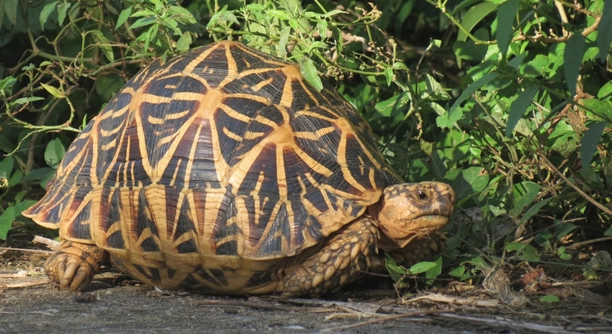
Turtles are fascinating creatures, often providing their owners with joy and companionship. However, if your turtle is shedding more than usual, it can be concerning. Understanding the reasons behind this behavior can help keep them healthy and happy.
Shedding in turtles can result from several factors, such as natural growth cycles, stress, or environmental changes. Increased shedding may also indicate an underlying health issue, like poor diet, humidity imbalances, or shell rot. Regular monitoring is essential.
Proper care and attention to your turtle’s environment and diet are crucial for their well-being. Understanding the causes behind excessive shedding can help you provide a healthier habitat for your turtle and prevent further issues.
Common Causes of Excessive Shedding
Shedding is a natural part of a turtle’s growth process. As they mature, their old skin and scutes (the hard, outer layers of their shell) are replaced by new ones. However, if shedding becomes excessive, it could be a sign of an issue. Turtles often shed more during seasonal changes, especially during warmer months. The change in temperature and humidity levels can impact how much shedding occurs. It’s important to keep their habitat conditions stable to avoid stressing them. A balanced environment helps your turtle’s natural shedding cycle without causing unnecessary skin or shell issues.
Changes in diet can also lead to increased shedding. If your turtle’s food lacks the necessary nutrients, it can affect their overall health, including their skin and shell. A diet high in calcium and vitamins, such as dark leafy greens and properly supplemented pellets, can support a healthy shedding process.
Other causes of shedding include poor water quality and improper lighting. Dirty water and insufficient UVB exposure can stress your turtle, causing them to shed more frequently. Regularly clean your turtle’s habitat and provide proper lighting for their health.
What You Can Do
To prevent excessive shedding, ensure your turtle’s environment remains consistent. Maintain a proper temperature, humidity level, and clean water. Provide a balanced diet that includes calcium-rich foods. Additionally, ensuring your turtle has proper UVB lighting can greatly reduce stress and help with their natural shedding cycle. A few simple adjustments can make all the difference in their well-being.
Excessive shedding in turtles isn’t always a cause for concern, but it’s essential to stay vigilant. If you notice unusual shedding patterns, monitor their environment closely. Ensure the tank is cleaned regularly and that the water remains free from harmful chemicals. Proper UVB lighting also plays a crucial role in maintaining healthy shedding. If the shedding is accompanied by other signs, like loss of appetite or visible wounds, it’s wise to consult with a reptile veterinarian. In some cases, underlying health issues such as shell rot or infections may be the cause. Keep an eye on your turtle’s overall health, and take steps to provide a stable and nourishing environment.
Diet and Nutrition
A proper diet is essential for your turtle’s health and shedding process. If their food lacks important nutrients, like calcium or vitamin A, they may shed more than usual. Ensure their meals are varied, offering leafy greens, vegetables, and specially formulated turtle pellets. Avoid feeding them processed foods or items lacking essential vitamins and minerals. A balanced diet will help maintain healthy skin and shell shedding cycles.
Turtles need calcium for strong shells and skin. Without enough calcium, their shedding can become irregular. Offering cuttlebone or calcium supplements can help meet their needs. Make sure to provide fresh, natural foods that encourage healthy growth and shedding. Healthy food choices also improve their immune system, reducing stress and aiding the natural shedding process. Keep track of their eating habits to spot any changes or deficiencies early on.
Vitamin A is another key factor in shedding. This vitamin supports skin health and immune function, which is crucial during periods of shedding. Vitamin A deficiency may result in your turtle shedding more often or unevenly. You can offer vitamin A-rich foods like carrots, kale, and squash. Ensuring your turtle receives a balanced, nutrient-rich diet can prevent excessive shedding.
Water Quality
Water quality directly affects your turtle’s health and their shedding process. Poor water conditions can lead to skin irritation, infections, and excessive shedding. Regularly clean the tank and replace the water to maintain a healthy environment. A good filtration system will help keep the water clear and free from harmful bacteria.
In addition to cleaning, check the water’s temperature and pH levels. Turtles are sensitive to changes in water conditions, which can lead to stress. This stress may result in more frequent shedding as their body reacts. If the water is too cold or too warm, your turtle’s metabolism could be impacted, affecting their shedding cycle. Ensuring stable water conditions can help minimize shedding caused by environmental stress.
Turtles can also be susceptible to diseases caused by bacteria or parasites found in dirty water. A build-up of waste or uneaten food in the water can introduce these harmful agents. To prevent this, make sure to clean your turtle’s tank regularly and remove any debris. This will create a safer, cleaner environment and support healthier shedding.
Stress and Overcrowding
Stress can trigger excessive shedding in turtles. If your turtle feels threatened or uncomfortable, it may shed more than usual. This stress could come from poor tank conditions, noise, or other animals. Keeping the environment calm and quiet will help reduce stress.
Overcrowding in a tank can also lead to stress. When too many turtles are kept together, it can cause fighting and competition for resources. This stress can lead to more frequent shedding and behavioral issues. Make sure your turtle has enough space to move around freely, which helps prevent overcrowding and stress-related shedding.
Shell Rot
Shell rot is a common issue in turtles and can cause abnormal shedding. If your turtle’s shell becomes soft, discolored, or develops lesions, it could be an indication of shell rot. This condition requires immediate attention. Poor water quality and untreated injuries are often the cause.
If you notice any signs of shell rot, it’s important to consult a veterinarian. Early treatment is essential to prevent further damage to the shell. In some cases, antibiotics or antifungal treatments may be needed. Regularly inspect your turtle’s shell for signs of infection to address any issues before they worsen.
Lighting and UVB Exposure
Proper lighting is crucial for your turtle’s health. Without adequate UVB light, turtles can develop health problems, including excessive shedding. UVB light helps them metabolize calcium and supports their immune system. Without it, their shedding cycles can become irregular.
Ensure that your turtle has access to UVB light for 10-12 hours a day. Use a proper UVB bulb designed for reptiles, as regular bulbs won’t provide the necessary wavelengths. Position the bulb close enough to your turtle’s basking area to give them optimal exposure. Regularly replace the UVB bulb to ensure your turtle receives the correct amount of light.
FAQ
Why is my turtle shedding more than usual?
Excessive shedding can be due to various factors, including changes in temperature, humidity, or diet. Turtles naturally shed as they grow, but if it becomes excessive, stress or health issues may be the cause. Poor water quality or inadequate UVB lighting can also contribute to increased shedding.
How can I prevent my turtle from shedding too much?
To prevent excessive shedding, ensure your turtle’s environment is stable. Maintain proper temperature, humidity, and water quality. Provide a balanced diet with sufficient calcium and vitamins. Ensure they have enough space in their tank to avoid stress. Proper UVB lighting will also help regulate their shedding cycle.
What are the signs of a healthy shed?
A healthy shed will come off in small, thin layers without causing damage to the skin or shell. You may notice a few loose scutes around the tank, which is normal. The new skin or scutes should appear smooth and firm once the shedding is complete.
How do I know if my turtle’s shedding is a sign of illness?
If the shedding is accompanied by other symptoms like loss of appetite, discoloration of the skin or shell, or lethargy, it could be a sign of illness. Shell rot or a bacterial infection might cause abnormal shedding. Consult a vet if these symptoms appear.
Can I help my turtle during the shedding process?
You can help by maintaining a clean tank, ensuring proper water conditions, and providing a well-balanced diet. If your turtle is having trouble shedding, consider offering a shallow water bath to help with the process. Never force shedding, as it should happen naturally.
Is it normal for my turtle to shed in patches?
Yes, shedding in patches is normal for turtles. Unlike snakes, turtles shed gradually in small sections. This helps prevent the risk of infection or injury from shedding all at once. However, if you notice uneven or irregular patches, it may be a sign of a health problem.
What is the role of UVB lighting in shedding?
UVB lighting plays a crucial role in the health of your turtle. It helps them synthesize vitamin D3, which is essential for calcium absorption. Without proper UVB exposure, your turtle’s shedding can become irregular, and they may develop health issues like metabolic bone disease.
Can water temperature affect my turtle’s shedding?
Yes, water temperature has a significant effect on your turtle’s overall health, including shedding. If the water is too cold or too warm, it can cause stress, which may result in excessive shedding. Keep the water temperature between 75-80°F (24-27°C) for optimal health.
How often do turtles shed?
Turtles shed their skin and scutes regularly, but the frequency can vary. Some turtles shed every few weeks, while others may only shed a few times a year. The rate of shedding depends on factors such as age, diet, and environmental conditions.
Can I use chemicals or cleaners to speed up shedding?
Avoid using chemicals or cleaners that are not designed for turtle care. These could irritate your turtle’s skin or contaminate the water, leading to further health problems. Stick to natural methods like keeping the tank clean and ensuring proper lighting and temperature.
How long does the shedding process take?
The shedding process typically takes a few days to a couple of weeks, depending on the turtle’s age, species, and environmental conditions. Turtles will shed in stages, so don’t expect a full shed all at once. It’s a gradual process that should not cause distress.
What should I do if my turtle’s shell is shedding abnormally?
If your turtle’s shell is shedding abnormally, it could be a sign of shell rot or an infection. Check for signs of softness, discoloration, or foul odor. Clean the tank regularly and consider seeking veterinary care to address any underlying issues.
Can shedding cause harm to my turtle?
Generally, shedding is harmless and a part of a turtle’s natural growth process. However, if shedding is accompanied by signs of injury, infection, or illness, it can cause harm. Monitor your turtle closely during the shedding process and consult a vet if necessary.
What is the best diet for a shedding turtle?
A balanced diet rich in calcium and vitamins is essential for healthy shedding. Offer a variety of leafy greens, such as kale and dandelion, and supplement with pellets designed for turtles. Foods like carrots, squash, and small amounts of fruit provide additional nutrients that support healthy skin and shell.
How can I tell if my turtle is stressed from shedding?
Stress from shedding can manifest as changes in behavior, such as hiding, excessive basking, or loss of appetite. If your turtle is stressed, the shedding process may take longer or become more frequent. Ensuring a calm, stable environment can help alleviate stress.
Should I worry if my turtle sheds its entire shell?
If your turtle sheds large portions of its shell, it could indicate a health issue. Shell rot or injury can cause parts of the shell to come off. If this occurs, take your turtle to the vet for an assessment to prevent further damage.
Can shedding affect my turtle’s behavior?
Shedding can sometimes make turtles more irritable or reclusive. They may spend more time basking or hiding to escape the irritation caused by shedding. However, if behavior changes drastically or lasts longer than expected, it may indicate an underlying problem that needs attention.
How can I check my turtle’s health during shedding?
Keep an eye on your turtle’s behavior, appetite, and shell condition. Healthy shedding should not cause significant changes in behavior. If your turtle is lethargic, refusing food, or showing signs of infection or injury, it’s important to consult a vet for further evaluation.
Is it okay to bathe my turtle during shedding?
Giving your turtle a shallow bath can help with the shedding process. Warm water (around 80°F or 27°C) can soften the skin and make shedding easier. Make sure the bath is shallow enough for your turtle to breathe comfortably. Never force the shedding process, as it should happen naturally.
When should I seek veterinary care for my turtle’s shedding?
If your turtle’s shedding is accompanied by signs of infection, shell rot, or abnormal behavior, seek veterinary care. If your turtle is not eating, appears weak, or has difficulty shedding, it may be a sign of a health problem that needs professional attention.
Final Thoughts
Shedding is a natural part of your turtle’s life cycle and can be influenced by various factors such as age, health, and environment. While it is common for turtles to shed their skin and scutes, understanding when shedding is excessive or abnormal can help you determine if there are underlying issues. Regular monitoring of your turtle’s environment, including water quality, temperature, and lighting, plays a key role in ensuring that the shedding process remains normal and healthy.
If your turtle is shedding more than usual, it may be a sign that something is off. Changes in diet, water temperature, or light exposure could all contribute to irregular shedding. It’s essential to provide your turtle with a consistent and comfortable environment. Ensuring proper nutrition and water conditions, along with offering appropriate UVB lighting, will not only help control shedding but also keep your turtle healthy and happy. Stress, poor care, or underlying health conditions can also cause excessive shedding, so addressing these factors promptly is important.
In some cases, shedding may be linked to health issues such as skin infections or shell rot. If you notice other symptoms, like changes in behavior, appetite loss, or a weakened shell, it’s important to seek veterinary care. By staying aware of your turtle’s habits and keeping a close eye on their care, you can ensure that the shedding process remains part of their natural growth cycle. Regular checkups and maintaining a proper environment will help your turtle thrive and keep shedding at a healthy level.

Hello,
If you enjoy the content that we create, please consider saying a "Thank You!" by leaving a tip.
Every little bit helps us continue crafting quality advice that supports the health, happiness, and well-being of pets around the world, for pets of all shapes, sizes, and species.
We really appreciate the kindness and support that you show us!