
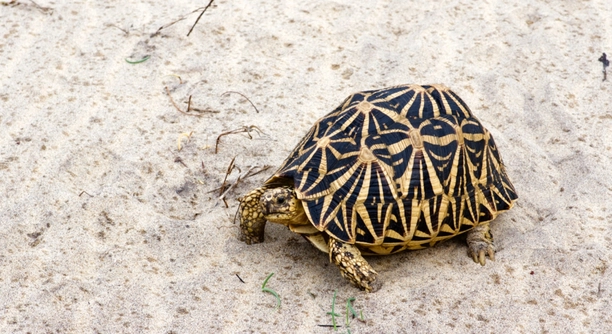
Turtles rely on external temperatures to regulate their body heat, making it important to ensure they are kept in a comfortable environment. Keeping your turtle at the right temperature is essential for its health and well-being.
The ideal temperature for most turtles is between 75°F and 85°F (24°C to 29°C) during the day. If the temperature drops too low, your turtle may show signs of discomfort, such as lethargy, reduced appetite, or even respiratory issues.
Making sure your turtle stays warm can prevent health issues and keep them active. Learn more about the signs that may indicate your turtle is too cold.
Signs Your Turtle Is Not Moving Much
If your turtle is not moving around as much as usual, it could be a sign that it is too cold. Turtles are ectothermic, meaning they depend on external temperatures to maintain their body heat. When the temperature drops too low, turtles may become sluggish and inactive. This lack of movement could be due to the body trying to conserve energy as a result of feeling too cold. If you notice that your turtle is staying in one spot for long periods, it’s a good idea to check the temperature of its habitat.
Even though turtles may appear inactive, they could still be suffering internally from the cold. Without the proper warmth, their metabolism slows down, making them lethargic. This lack of movement can lead to further health issues, such as weakened immune systems and difficulty digesting food. When their body temperature is too low, they also have a harder time processing nutrients, which can cause weight loss and a decline in overall health.
To prevent these problems, make sure your turtle’s environment is within the proper temperature range. Regularly monitor their habitat to ensure it is neither too cold nor too hot. The more active your turtle is, the better its chances of staying healthy and thriving.
Changes in Appetite
A cold turtle might not have much of an appetite.
When turtles are too cold, their digestion slows, which can reduce their desire to eat. A lack of appetite is often one of the first signs that something is wrong.
Shivering or Trembling
If your turtle is shivering or trembling, it is likely trying to warm up. This behavior is common when the surrounding temperature is too cold. When a turtle’s body temperature drops, it will attempt to generate heat through muscle contractions. Shivering is a sign that your turtle is struggling to maintain a comfortable temperature.
Shivering or trembling can also indicate that your turtle is stressed or uncomfortable. This reaction is more likely to happen when the water or basking area is too cold for the turtle to regulate its body temperature. If the turtle’s temperature does not stabilize, prolonged shaking can lead to more serious issues, such as weakened immune function.
Keeping your turtle in a stable, warm environment will help avoid these signs. Make sure there is a proper heat source available, like a heat lamp or a water heater, to maintain the right temperature. It’s essential to address these symptoms immediately to prevent further stress.
Reduced Breathing
A turtle’s breathing may slow down or become shallow when it’s too cold.
When the temperature drops, the turtle’s metabolic rate decreases, leading to slower respiration. This is a survival mechanism as the turtle’s body conserves energy in cooler conditions.
Difficulty in Swimming
If your turtle is having trouble swimming, it may be due to the water being too cold. Cold temperatures can slow down their muscles, making it harder for them to move through the water. You may notice your turtle struggling to stay afloat or moving slowly.
When the water is too cold, it also affects the turtle’s buoyancy. Their metabolism slows, and their energy levels drop, making it difficult to swim normally. Turtles need warmer water to remain agile and healthy. If you observe this behavior, it’s important to check the temperature and adjust it accordingly.
Drooping Eyes or Closed Eyes
If your turtle’s eyes appear droopy or are often closed, this can be a sign of stress from the cold.
Cold temperatures can cause a turtle to feel unwell, leading to eye issues such as swelling or irritation. Make sure the temperature is optimal to avoid further complications.
FAQ
How can I check if my turtle’s tank is too cold?
To check if your turtle’s tank is too cold, use a reliable water thermometer. The water should ideally be between 75°F and 85°F (24°C to 29°C) for most species. If it’s outside this range, it could be too cold for your turtle, and adjustments should be made.
What should I do if my turtle’s tank is too cold?
If you find that your turtle’s tank is too cold, you can increase the temperature by adding a water heater. Make sure the heater is specifically designed for turtles to ensure it’s safe. For basking areas, a heat lamp can help regulate the temperature. Monitor the temperature regularly to ensure it stays within the ideal range.
Can a turtle survive in cold water?
Turtles can survive in cold water for a short period, but prolonged exposure to cold temperatures can be harmful. A turtle’s metabolism slows down in cold water, leading to lethargy, poor digestion, and a weakened immune system. It’s important to keep their habitat within the recommended temperature range for optimal health.
How can I tell if my turtle is stressed from being too cold?
Signs of stress from cold water include lethargy, loss of appetite, and unresponsiveness. A stressed turtle may also spend more time at the bottom of the tank and show little interest in swimming. If you notice these behaviors, check the water temperature immediately.
Should I provide a basking spot for my turtle?
Yes, turtles need a basking area to regulate their body temperature. Basking allows them to warm up after spending time in cooler water. The basking spot should be kept at a temperature of around 85°F to 90°F (29°C to 32°C) to help your turtle stay warm and healthy.
What is the best way to heat my turtle’s tank?
The best way to heat your turtle’s tank is by using a water heater designed for reptiles. These heaters maintain a consistent temperature and are safe for aquatic habitats. For the basking area, use a heat lamp to ensure your turtle has access to both water and land heating.
Can a turtle get too hot in its tank?
Yes, turtles can get too hot if the water or basking area temperature exceeds their tolerance. If the water temperature rises above 85°F (29°C), it can cause stress and dehydration. The basking area should not exceed 95°F (35°C) to avoid overheating your turtle.
What signs indicate my turtle needs to warm up?
Signs that your turtle may need to warm up include sluggish behavior, loss of appetite, and increased time spent resting in the cold water. If your turtle isn’t moving much, showing signs of lethargy, or staying at the bottom of the tank, it’s time to provide additional heat.
How can I make sure my turtle’s environment stays at the right temperature?
To ensure your turtle’s environment stays at the right temperature, invest in both a water heater and a basking lamp. A thermometer will help you monitor the temperature in both the water and basking area. Regular adjustments can keep your turtle comfortable and healthy.
Is it safe to use a heating pad for my turtle’s tank?
It is generally not recommended to use a heating pad for your turtle’s tank. Heating pads are designed for terrestrial environments and may not provide consistent heat in the water. Instead, opt for a water heater that’s specifically made for turtles to safely heat the water.
Can my turtle get sick from being too cold?
Yes, prolonged exposure to cold temperatures can lead to illness in turtles. Cold stress can weaken their immune system and make them more susceptible to respiratory infections or shell rot. Keeping your turtle’s habitat at the proper temperature is crucial to prevent these issues.
What are the risks of keeping my turtle in water that is too cold?
When turtles are kept in water that is too cold, they can become lethargic, lose their appetite, and develop digestive issues. Cold temperatures can also increase their risk of respiratory infections, shell rot, and other health problems. It is important to regularly monitor water temperatures and adjust them as needed.
How can I warm my turtle’s basking area?
To warm your turtle’s basking area, use a heat lamp or ceramic heat emitter. The temperature should be between 85°F and 90°F (29°C to 32°C) during the day. Make sure your turtle can move to cooler areas if it gets too hot while basking.
What are some common mistakes when keeping a turtle’s environment warm?
Common mistakes include not using a proper water heater, overusing heat lamps, or placing the heat source too close to the turtle. It’s important to ensure the heat is distributed evenly and that your turtle has access to both warm and cooler areas in its habitat.
How do I know if my turtle is adjusting to the correct temperature?
A healthy turtle that is adjusting to the correct temperature will be active, eat regularly, and show normal behaviors such as basking and swimming. If your turtle is consistently active and responsive, it’s likely that the temperature is just right for them.
What temperature should my turtle’s tank be at night?
At night, the water temperature can drop slightly but should not fall below 70°F (21°C). It’s important to avoid sudden temperature changes that could stress your turtle. A slight nighttime drop mimics natural environmental changes and is generally safe for most species.
Final Thoughts
Ensuring your turtle’s environment is at the right temperature is essential for its overall health and well-being. Turtles are cold-blooded animals, which means they rely on external heat sources to regulate their body temperature. Keeping their tank at the proper temperature range, typically between 75°F and 85°F (24°C to 29°C), is crucial for maintaining their metabolism and energy levels. A turtle in a cold environment will become sluggish, lose its appetite, and may even experience more serious health issues. By regularly checking the water temperature and providing a proper basking area, you can help keep your turtle comfortable and active.
The key to preventing cold stress in your turtle is to monitor both the water temperature and the basking area. A water heater is essential for maintaining consistent warmth in the tank. It’s also important to have a heat lamp over the basking area to allow your turtle to warm up as needed. Both the water and the basking areas should be kept within the ideal temperature range to encourage natural behaviors. If you notice any signs of stress, like lethargy or loss of appetite, it’s important to act quickly and check the environment. Adjusting the temperature is often the first step in resolving these issues.
Lastly, always remember that turtles are creatures of habit and need stability. Sudden temperature changes can cause stress, so it’s important to make adjustments gradually. Providing a stable and warm environment will help your turtle thrive, making it easier to care for and enjoy as a pet. Regular checks of the tank’s temperature and your turtle’s behavior will go a long way in ensuring that your pet stays healthy and happy.

Hello,
If you enjoy the content that we create, please consider saying a "Thank You!" by leaving a tip.
Every little bit helps us continue crafting quality advice that supports the health, happiness, and well-being of pets around the world, for pets of all shapes, sizes, and species.
We really appreciate the kindness and support that you show us!