
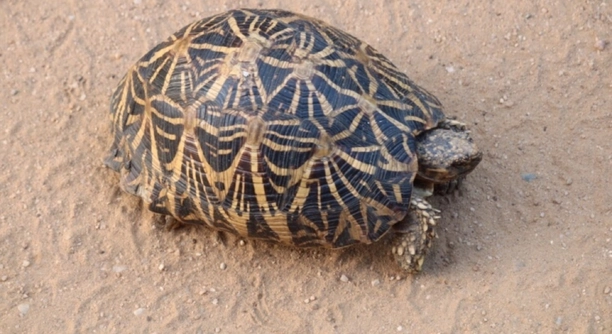
Turtles are often seen trying to escape their enclosures, which can leave you wondering what’s causing their behavior. Understanding the reasons behind their actions can help improve their environment and overall well-being.
Turtles exhibit escape behaviors due to environmental factors such as limited space, inadequate enclosure setup, or natural instincts. In the wild, they roam vast areas, and captivity can trigger frustration or a desire to explore their surroundings.
There are simple ways to prevent escapes and make your turtle feel secure in its space.
Why Do Turtles Try to Escape?
Turtles are naturally curious creatures, and their instinct to roam is strong. In the wild, they cover large areas in search of food, mates, and better living conditions. When kept in captivity, this instinct doesn’t fade, and they often try to escape to explore their environment. A small, confining space can make them feel stressed and uncomfortable. Additionally, certain setups, like tanks or enclosures without enough stimulation or hiding places, can contribute to their restless behavior. You might find them trying to climb the sides of their tank, digging, or even pushing objects to escape.
It’s important to provide an environment that satisfies their natural behaviors. Keeping them in a spacious and enriched habitat will reduce their desire to escape and help them thrive.
Turtles need an enclosure that offers variety, such as access to land and water, a basking spot, and enough hiding areas. Regularly changing their environment by adding plants, logs, and rocks can also make them feel more secure and less likely to try to escape. The more you mimic their natural habitat, the happier and more settled they will be.
How Can You Make Your Turtle Feel Secure?
Creating a well-rounded habitat can help prevent escape attempts. A proper tank size, along with enriching their space, will allow your turtle to feel safe and secure.
Turtles have different needs depending on their species, but all will benefit from a spacious tank that allows for plenty of swimming room and a basking area where they can dry off. Incorporating plants, hiding spots, and even a soft substrate for digging helps mimic their natural environment. Be mindful of temperature and lighting to ensure they feel comfortable and healthy. Additionally, keep the tank clean to prevent stress from poor water conditions.
Signs Your Turtle is Trying to Escape
When a turtle is attempting to escape, you’ll often see it pacing along the edges of its tank or enclosure. It may push against the walls or dig around the corners. These actions are clear signs that your turtle is looking for a way out.
Turtles may also try to climb objects or decorations within their habitat. If the tank is too small, they’ll feel cramped and try to find a larger space. If they’re digging or repeatedly swimming in one direction, it could indicate that they’re trying to reach a more spacious area. The behavior can be especially noticeable when they feel stressed, which can happen if their enclosure lacks enough room to move around freely.
Another behavior to look out for is when your turtle attempts to climb the sides of its tank or escape through gaps in the lid. Turtles, particularly those with a curious nature, may make repeated attempts to climb or push their way out. These actions are often driven by an urge to explore and find new surroundings.
The Importance of Tank Size
Tank size plays a significant role in how comfortable and secure your turtle feels. A tank that is too small will make your turtle feel cramped, and this will increase escape attempts.
Turtles need space to swim, bask, and explore, just like they would in the wild. A small tank doesn’t provide enough room for them to engage in these natural behaviors. Depending on the species, a tank should generally be at least 40 gallons for smaller turtles, with larger tanks needed for bigger species. A tank that is too small can also create a stressful environment, increasing the likelihood that your turtle will attempt to escape in search of more space. Ensuring that your turtle’s enclosure is properly sized is a key step in creating a happy and secure environment.
In addition to space, the layout of the tank is equally important. Make sure your turtle has easy access to both water and land. This allows them to have a balanced life and move around without feeling restricted.
How to Secure the Tank
To keep your turtle from escaping, make sure the tank has a secure lid or cover. Turtles can be surprisingly resourceful when trying to climb or push through gaps, so preventing this is crucial.
Use a tight-fitting lid made from sturdy material like mesh or plastic. If your tank has a screen cover, ensure it is properly weighted down to avoid any gaps. Turtles can also climb objects inside the tank, so make sure there are no easily climbable items near the edges. If you’re using a tank with a glass top, ensure the seals are intact, leaving no chance for your turtle to escape.
When securing the tank, it’s important to remember that the lid should still allow proper ventilation. If you restrict airflow too much, you may cause humidity or temperature issues, which can stress your turtle. Keep the balance between security and proper airflow to maintain a healthy environment.
Providing Enough Stimulation
Turtles get bored when they don’t have enough to do. Providing stimulation inside the tank can help keep them occupied and reduce the desire to escape.
Add plants, hiding spots, or rocks to give your turtle more places to explore. Moving things around occasionally will make it feel like a new environment for your turtle, keeping their mind active.
FAQ
Why is my turtle trying to escape?
Turtles try to escape due to a variety of reasons, but the most common cause is feeling confined or stressed. If the enclosure is too small or lacks enrichment, they may look for a way out. Additionally, if the environment doesn’t mimic their natural habitat—without proper land and water areas or hiding spots—they may feel the need to explore elsewhere. Turtles also exhibit escape behavior because of their natural curiosity and desire to roam, something they would do in the wild.
How can I tell if my turtle is stressed?
Stress in turtles can manifest in several ways, such as excessive swimming, hiding, or attempting to climb out of their tank. They may also refuse to eat, or their behavior might become more aggressive. Stress can be caused by factors like water temperature fluctuations, improper lighting, or overcrowding. Observe your turtle for any sudden changes in behavior, and make sure the environment is meeting all their basic needs. If they’re constantly trying to escape, it’s a clear sign that something isn’t quite right.
What type of enclosure is best for a turtle?
The best enclosure for a turtle should mimic its natural environment. A large tank or a pond is ideal, depending on the species. It should offer both aquatic and land areas. Water should be clean, filtered, and deep enough for swimming, with a basking area where they can dry off. The enclosure should also include hiding spots or places to explore, like rocks, plants, and logs. Make sure the tank is well-ventilated and has proper lighting for your turtle’s specific needs. Avoid overcrowding, as this can cause stress.
How do I make my turtle feel secure in its enclosure?
To make your turtle feel secure, provide a tank that offers a balance of land and water space, as well as plenty of hiding spots. Keep the environment as close to their natural habitat as possible by adding plants, rocks, and logs. Make sure the water is the correct temperature for the species, and maintain proper lighting and humidity levels. Regularly clean the tank and remove any waste, as dirty water can cause stress. A secure and calm environment will help prevent escape attempts and keep your turtle healthy.
Can a turtle escape from a glass tank?
Yes, a turtle can escape from a glass tank if the lid is not securely fitted or if there are gaps around the edges. Turtles are strong and persistent, and they can climb objects or push through small spaces if they feel the need to escape. To prevent this, make sure the glass lid is well-secured, and there are no gaps for the turtle to push through. A mesh or plastic lid with a tight fit is ideal to ensure they stay inside.
Is it normal for my turtle to dig?
Digging is a normal behavior for many turtle species, especially for those that live in areas with soft soil. In captivity, turtles may dig into the substrate or along the sides of their enclosure to express natural instincts or to create a hiding spot. Digging can also be a sign that they are feeling stressed or that they are trying to escape. If digging becomes excessive or seems to be a direct attempt to get out, it may be a sign that their enclosure is not providing enough stimulation or space.
How often should I change my turtle’s water?
You should change your turtle’s water regularly to keep it clean and safe. The frequency of water changes depends on the size of the tank, the number of turtles, and the efficiency of the filtration system. As a general rule, replace 25-50% of the water every week. If the water becomes cloudy or if there is waste buildup, change it more often. Clean the tank, filter, and decorations at least once a month to maintain a healthy environment.
Can my turtle live with other animals?
Turtles can live with other animals, but it’s important to carefully consider compatibility. Avoid keeping them with aggressive or territorial species, as this can cause stress and injury. Some turtles, especially aquatic species, may be able to live with other reptiles or fish, but it’s important to monitor them closely. Always ensure that all animals have enough space and resources within the enclosure to avoid conflict. If you’re unsure about compatibility, research the specific needs of each species before introducing them to the same environment.
What temperature should my turtle’s tank be?
The water temperature in your turtle’s tank should vary depending on the species, but a good general range is between 75-85°F (24-29°C) for aquatic turtles. The basking area should be kept warmer, around 85-90°F (29-32°C), so your turtle can regulate its body temperature. Ensure that your tank has a reliable heating system, as well as a thermometer to monitor the temperature regularly. Proper temperature control is essential for your turtle’s digestion, metabolism, and overall health.
How can I keep my turtle from getting bored?
Boredom in turtles can lead to escape attempts and stress. To keep your turtle engaged, provide a variety of objects and features in its enclosure. Add plants, rocks, and logs to create hiding places and climbing opportunities. Change the setup occasionally to offer new challenges and stimulation. You can also provide toys or food enrichment, such as hiding food under rocks or in different areas of the tank. The more you can mimic a natural, enriching environment, the happier your turtle will be.
Final Thoughts
Turtles are fascinating creatures with unique behaviors, and it’s important to understand why they might be trying to escape from their tank. Often, the behavior stems from factors like stress, boredom, or a lack of suitable space in their environment. Turtles are naturally curious, and their instincts drive them to explore. If they’re trying to escape, it could be a sign that something in their enclosure needs attention. Whether it’s the size of the tank, the lack of enrichment, or environmental conditions, addressing these factors will help ensure a happier, healthier turtle.
Securing your turtle’s tank and providing an enriched environment are essential steps in reducing escape attempts. A properly fitted lid, proper water filtration, and a variety of climbing spots can help create a safe, comfortable home. Adding plants, rocks, and hiding spots will give your turtle more places to explore and help stimulate their mind. Regularly checking the tank’s temperature, humidity, and cleanliness ensures your turtle remains healthy and content. By mimicking their natural habitat as much as possible, you can reduce the chances of escape and keep your turtle satisfied.
Remember that every turtle is different. Some may be more prone to escaping than others, depending on their species and personality. Observing their behavior closely can give you valuable insight into what’s causing the issue. By addressing any potential sources of stress and creating a more suitable environment, you can foster a positive, enriching experience for both you and your turtle. With the right care, your turtle will be content to stay in its tank, leaving escape attempts behind.

Hello,
If you enjoy the content that we create, please consider saying a "Thank You!" by leaving a tip.
Every little bit helps us continue crafting quality advice that supports the health, happiness, and well-being of pets around the world, for pets of all shapes, sizes, and species.
We really appreciate the kindness and support that you show us!