
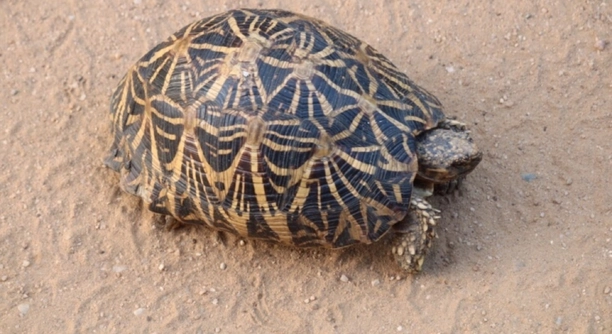
Keeping your turtle tank water clean and healthy is crucial for their well-being. Water quality issues can often arise, making it important to address them quickly to maintain a safe environment for your turtles.
Common water quality issues in turtle tanks include poor filtration, high ammonia levels, imbalanced pH, insufficient oxygen, cloudy water, excessive algae growth, and improper temperature. Addressing these problems involves regular maintenance, proper equipment, and water testing to ensure a balanced habitat.
Knowing how to manage these issues is essential to your turtle’s health and happiness. With simple fixes, you can maintain clean and clear water for your pet.
Poor Filtration and Its Impact
Filtration is one of the most important factors in keeping turtle tank water clean. Without proper filtration, debris, waste, and excess nutrients can build up, leading to poor water quality. This can stress your turtles and lead to health problems like shell rot or respiratory issues. Regular cleaning of your filter and changing the filter media will help keep the water circulating and clear. A filter with the right flow rate and size for your tank is essential for effective filtration.
You should clean your filter regularly, but avoid over-cleaning, as it can disrupt the beneficial bacteria that help break down waste. When selecting a filter, ensure it’s rated for the size of your tank and capable of handling your turtle’s waste load.
In addition to regular maintenance, it’s essential to monitor the water quality regularly. Keep an eye on the ammonia and nitrite levels, as high concentrations of these chemicals can harm your turtles. Be proactive in adjusting your filter system and water-changing schedule to keep things in balance.
High Ammonia Levels
High ammonia levels can quickly become dangerous for your turtle. Ammonia is produced from their waste and uneaten food, and if not filtered properly, it can cause toxic build-ups. This can lead to skin irritation, respiratory issues, and even death if left unchecked. To keep ammonia levels in check, perform regular water changes, remove uneaten food promptly, and ensure the filter is working properly.
Test the water frequently for ammonia using an aquarium test kit to ensure safe levels. If ammonia spikes occur, consider increasing the frequency of water changes and check your filtration system for clogs.
Imbalanced pH Levels
An imbalanced pH can harm your turtle’s health, leading to skin issues or difficulty absorbing nutrients. Turtles prefer a pH between 6.5 and 7.5. If the pH is too high or low, it can cause stress and affect their immune system.
Regular water testing is the best way to monitor pH levels. If you notice the pH is off, use pH adjusters to bring it back within the ideal range. You can also add natural buffers like crushed coral or limestone to help stabilize the pH. Avoid sudden drastic changes, as these can shock your turtles.
Maintaining the correct pH level not only ensures your turtle’s health but also supports beneficial bacteria that keep the tank environment stable. If the pH remains consistently unstable, it might indicate an issue with the water source or filtration system.
Cloudy Water
Cloudy water can be caused by excess waste, poor filtration, or bacteria blooms. While it might not always pose an immediate threat, it can indicate that your tank is not as clean as it should be.
To clear cloudy water, start by checking the filter and cleaning it thoroughly. Make sure it is rated appropriately for the size of your tank. Regular water changes are also key. Remove debris and uneaten food promptly to prevent a buildup of waste. Cloudiness can also result from overfeeding your turtle, so be mindful of how much you’re offering.
If the water remains cloudy after addressing these factors, a bacterial bloom may be the issue. Adding a UV sterilizer can help eliminate excess bacteria and improve water clarity.
Excessive Algae Growth
Algae can thrive in your tank when there’s an imbalance of nutrients, light, and water conditions. While some algae are harmless, excessive growth can lead to poor water quality and impact your turtle’s habitat.
To prevent algae overgrowth, limit the amount of direct sunlight your tank receives. Regularly clean surfaces like rocks and decorations where algae can accumulate. Control the nutrients in the tank by reducing excess food and waste. A good filtration system will also help manage the nutrient load.
If algae persists, consider using an algae scraper or adding algae-eating creatures, like snails, to help manage the growth.
Insufficient Oxygen
Turtles need well-oxygenated water to thrive. Insufficient oxygen can cause stress and reduce their ability to swim and digest food properly. To ensure your tank has enough oxygen, use a quality filtration system that promotes water circulation and oxygen exchange.
Adding a bubbler or aerator can also help increase oxygen levels. These devices provide the extra movement and surface agitation needed to keep oxygen flowing through the water. Make sure the tank size is adequate for the number of turtles to avoid overcrowding, which can lead to low oxygen levels.
Improper Temperature
Maintaining the right water temperature is crucial for your turtle’s health. If the water is too cold or too warm, your turtle’s metabolism and immune system can be affected. The ideal water temperature for most turtles is between 75-80°F (24-27°C).
Use a reliable aquarium heater to regulate the temperature, and always check with a thermometer to ensure consistency. Avoid drastic temperature fluctuations, as they can stress your turtle. Remember to keep the basking area a few degrees warmer than the water for your turtle to regulate its body temperature effectively.
FAQ
What’s the best filter for a turtle tank?
A good filter for a turtle tank should be able to handle the waste load produced by your turtle. It’s essential to choose a filter that’s rated for the size of your tank, with a flow rate strong enough to keep the water clean but not so strong that it creates a current that your turtle can’t swim against. Canister filters are often the best option for turtle tanks due to their powerful filtration and ability to handle larger volumes of water.
How often should I change the water in a turtle tank?
Water changes should be done regularly to maintain water quality. A 25-30% water change every two weeks is generally recommended. However, if the water looks dirty or you notice ammonia spikes, it may be necessary to change the water more frequently. Monitor the water quality regularly to ensure your turtle’s environment remains healthy.
Can I use tap water for my turtle tank?
Tap water can be used, but it may contain chlorine and other chemicals harmful to your turtle. It’s important to treat tap water with a water conditioner that neutralizes chlorine, chloramine, and heavy metals. Additionally, let the water sit for 24-48 hours before adding it to the tank to allow any chlorine to dissipate naturally.
How can I tell if my turtle is stressed due to water quality?
Stress in turtles can manifest in several ways, including reduced activity, loss of appetite, erratic swimming behavior, and abnormal basking habits. If your turtle exhibits these signs, it could be a result of poor water quality. Regular water testing and addressing issues like high ammonia levels or incorrect temperature can help resolve these problems.
How do I keep my turtle tank from smelling?
The main reason for bad odors in a turtle tank is the buildup of waste, uneaten food, and organic matter. To prevent smells, ensure the filter is functioning well and clean it regularly. Remove uneaten food promptly, and change the water regularly. Adding plants can help absorb excess nutrients and improve water quality.
Is it necessary to use a UV sterilizer for my turtle tank?
A UV sterilizer is not always necessary, but it can be very helpful in controlling harmful bacteria, parasites, and algae blooms. If you’re dealing with frequent cloudy water or bacteria growth, a UV sterilizer can help keep the water clear and prevent health issues. It’s a good additional tool but not a replacement for proper filtration and maintenance.
How do I prevent algae from growing in my turtle tank?
To prevent algae growth, limit the amount of light your tank receives. Too much sunlight or artificial light can encourage algae growth. Keep the tank clean by removing debris and uneaten food, and maintain good filtration. You can also introduce algae-eating species, like snails, to help control algae levels.
Can I add live plants to my turtle tank?
Yes, you can add live plants to your turtle tank, but keep in mind that turtles often eat plants. If you want to add plants, choose hardy species that can withstand turtle activity, such as Anubias, Java fern, or hornwort. Live plants can help improve water quality by absorbing excess nutrients.
How do I adjust the water temperature in my turtle tank?
Use a reliable aquarium heater to maintain the water temperature in the ideal range for your turtle, usually between 75-80°F (24-27°C). Make sure to monitor the temperature regularly with a thermometer to ensure consistency. Be cautious not to let the water temperature fluctuate too much, as this can stress your turtle.
Why is my turtle’s shell peeling?
Shell peeling can happen naturally as your turtle grows, but if it’s excessive or abnormal, it could be a sign of poor water quality or nutritional deficiencies. Ensure your turtle’s environment is clean and its diet is balanced, including the right amount of calcium and UVB light for proper shell health.
How do I know if the water in my turtle tank is safe?
Testing the water regularly with an aquarium test kit is the best way to ensure the water is safe for your turtle. Monitor ammonia, nitrite, nitrate, and pH levels. If any of these parameters are out of balance, take steps to adjust the water and prevent harm to your turtle.
Do turtles need a basking area?
Yes, turtles need a basking area to dry off, warm up, and digest food properly. The basking area should be at a temperature slightly higher than the water temperature and provide a dry surface for the turtle to rest. It’s crucial for their overall health and well-being.
What can I do if my turtle refuses to eat?
If your turtle is refusing to eat, check the water quality, temperature, and diet. Stress from poor water conditions can cause a lack of appetite. Ensure the water is clean, the temperature is correct, and the food offered is fresh and appropriate for their species. If the problem persists, consult a vet.
Can I keep multiple turtles in the same tank?
Yes, multiple turtles can be kept together, but you should provide enough space for each turtle to thrive. Overcrowding can lead to aggression, stress, and poor water quality. Make sure the tank is large enough and provide separate basking areas for each turtle to avoid territorial disputes.
How do I clean a turtle tank properly?
To clean a turtle tank, remove the turtles and place them in a safe container. Scrub the tank surfaces, decorations, and substrate with a soft brush. Clean the filter and replace the filter media as needed. After cleaning, refill the tank with treated water and ensure the temperature and pH are appropriate before returning your turtles.
Final Thoughts
Maintaining good water quality in a turtle tank is crucial for the health and well-being of your turtle. Turtles rely on clean, well-maintained water to thrive, so ensuring that their environment is free from harmful chemicals and debris is essential. Regular water changes, using a proper filtration system, and testing water parameters like pH, ammonia, and nitrate levels will help you keep the tank healthy. Additionally, make sure to provide your turtle with a basking area that is both warm and dry, as this is essential for digestion and overall health.
If you encounter common issues like cloudy water, high ammonia levels, or algae growth, it’s important to address them quickly. These problems can stress your turtle and lead to health issues if not managed properly. By keeping up with regular tank maintenance, such as cleaning the filter, removing uneaten food, and checking the water temperature, you can avoid many of these problems. A UV sterilizer can be a helpful tool in controlling algae and harmful bacteria, but it’s not a replacement for proper water care.
In the end, taking the time to ensure your turtle’s tank is clean and its water is safe will help your turtle live a long, healthy life. By following basic maintenance practices and keeping a close eye on water quality, you can prevent many common issues. With a little effort and the right tools, you’ll create an environment where your turtle can thrive and enjoy a comfortable, healthy life.

Hello,
If you enjoy the content that we create, please consider saying a "Thank You!" by leaving a tip.
Every little bit helps us continue crafting quality advice that supports the health, happiness, and well-being of pets around the world, for pets of all shapes, sizes, and species.
We really appreciate the kindness and support that you show us!