
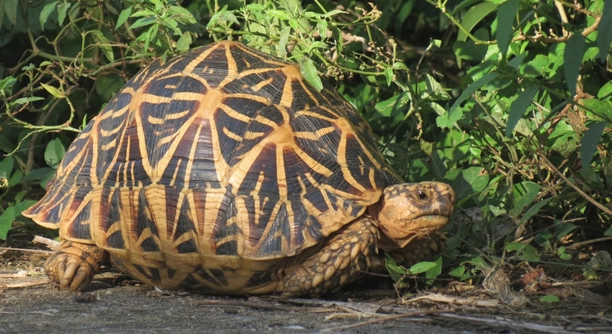
Turtles are fascinating creatures, but they can sometimes act in unexpected ways. If your turtle is refusing to go into the water, it may be a sign of something that needs attention. This behavior is not uncommon.
Turtles may refuse to enter the water due to a variety of reasons, including water temperature, health issues, or environmental stress. A change in their habitat or improper water conditions can lead to such behaviors.
Understanding these causes can help you resolve the issue and ensure your turtle stays comfortable and healthy.
Common Reasons Why Your Turtle Won’t Go in the Water
There are several reasons why your turtle may avoid the water. One of the most common reasons is water temperature. Turtles are cold-blooded, and if the water is too cold or too warm, they may resist getting in. Turtles also rely on specific humidity levels to feel comfortable. If their environment feels too dry or uncomfortable, they may hesitate to enter the water. Another possible cause is stress due to changes in their surroundings, such as moving to a new tank or having a new tank mate. Health issues can also contribute to a turtle’s reluctance to swim. Injuries or discomfort, such as shell rot or respiratory infections, may make it painful for them to enter the water.
Additionally, if the water isn’t clean, your turtle may avoid it. Turtles can be quite sensitive to their environment. If they notice anything unusual in the water, like dirty or murky conditions, they may choose to stay on dry land. Make sure to check the water regularly, and keep their habitat clean.
Ensuring Proper Water Temperature and Conditions
The water temperature is crucial to your turtle’s well-being. Ensure the water is warm enough to keep them comfortable, but not too hot.
To maintain the ideal temperature, you should use a reliable aquarium heater and a thermometer to monitor it regularly. Most turtles prefer a water temperature between 75°F and 85°F (24°C to 29°C). If the water is too cold, your turtle may feel lethargic and less likely to swim. On the other hand, water that’s too warm can stress them out, potentially leading to health problems. Make adjustments based on the type of turtle you have. Some species, such as red-eared sliders, are more tolerant of slight temperature fluctuations, while others may need a more consistent environment. Keep their water in the optimal range to encourage them to swim.
Maintaining Clean and Comfortable Water Conditions
Clean water is essential for your turtle’s health. If your turtle is avoiding the water, it could be due to the water quality. Filtration systems help maintain clean water, but it’s important to do regular water changes.
Turtles can produce a lot of waste, and if left unchecked, the water can quickly become dirty, which may make your turtle hesitant to swim. Clean the water by removing any debris and replacing a portion of it weekly. Additionally, consider adding a UVB light in their enclosure. This light not only helps with the water’s cleanliness but also encourages the turtle to bask, which is essential for their health. Regularly monitor the water’s pH and ammonia levels to make sure it stays in the safe range. If the water quality is poor, your turtle might avoid it entirely, so make cleanliness a top priority.
Stress and Environmental Changes
Stress is another reason your turtle might refuse to enter the water. Moving to a new tank, introducing new tank mates, or even a change in routine can cause them to feel uneasy. It’s important to provide a stable, quiet environment for your turtle. A sudden change in the habitat can create anxiety and cause them to stay on land. Ensure that the tank provides enough hiding spots and security so they can retreat when they feel stressed.
Moreover, turtles can be sensitive to noise or excessive activity around their tank. If your turtle is avoiding the water, consider moving their tank to a quieter area where they can feel more secure. By limiting stress and providing a consistent environment, you can help your turtle feel more comfortable entering the water.
Health Issues That Could Be Affecting Your Turtle
If your turtle refuses to go into the water, it could be due to a health problem. Turtles can experience discomfort from respiratory infections, shell rot, or injuries. These conditions can make swimming painful or difficult. Observing your turtle closely for any signs of injury or illness is essential.
Respiratory infections often cause difficulty breathing, making it uncomfortable for your turtle to submerge in water. If your turtle is showing signs like wheezing, nasal discharge, or lethargy, a vet visit is necessary. Shell rot can cause pain and reluctance to move, and infections around the shell can make it feel worse when entering water. Always check for any unusual behavior that may suggest a health issue.
Tank Size and Water Depth
A small or shallow tank might also contribute to your turtle’s reluctance to swim. Turtles need enough space to move freely. If the tank feels cramped, your turtle might avoid the water altogether. A proper tank size allows for swimming, basking, and hiding.
If your turtle’s tank is too small, it can create stress and discomfort, limiting its ability to thrive. A tank that is at least 40 gallons is ideal for most turtle species. Additionally, make sure the water depth allows your turtle to swim and dive comfortably. A shallow tank without enough water depth could make it feel unsafe or unmotivated to enter the water. Always ensure your turtle has enough room to feel at ease in its environment.
Water Quality Issues
Poor water quality could be another reason your turtle refuses to go in the water. If the water is too dirty, smelly, or has high levels of ammonia, your turtle may avoid it. Keeping the water clean is essential to their overall health and well-being.
Turtles are sensitive to water quality and may be deterred by dirty or murky water. It’s important to check the water regularly for clarity and cleanliness. Filtration systems help, but you’ll still need to perform routine water changes to keep the conditions optimal. Poor water quality not only affects your turtle’s behavior but can also lead to serious health problems.
Lack of Proper Basking Spot
Turtles need a proper basking area in addition to access to water. If your turtle doesn’t have a comfortable space to rest and bask, it might avoid entering the water. Providing a designated basking spot can help.
Your turtle needs access to UVB light to stay healthy. Without a proper basking area to dry off, they may stay on dry land instead of swimming. This area should be dry, warm, and large enough for them to rest comfortably. Make sure your turtle has the ability to bask and hydrate between swimming sessions.
Species-Specific Behavior
Each species of turtle has different needs when it comes to water. Some turtles are more comfortable in the water than others, while some prefer to stay on land. Understanding your turtle’s species will help you meet their specific needs.
Turtles like box turtles and tortoises are more land-dwelling and may not feel the need to enter water as often. Aquatic species, such as red-eared sliders, are more likely to enjoy swimming. Identifying your turtle’s species can give you better insight into their water preferences and behavior. If your turtle is less aquatic by nature, it might simply prefer staying on dry land more frequently.
FAQ
Why is my turtle not eating?
A lack of appetite in turtles can be a sign of several factors. Stress, improper water temperature, or an unbalanced diet can all lead to your turtle refusing food. Ensure your turtle’s environment is stable, with proper heating and a balanced diet of both plant and animal matter. If this issue persists for more than a few days, it’s a good idea to consult a vet to rule out any health problems.
How often should I change my turtle’s water?
You should change about 25% of your turtle’s tank water weekly. This helps keep the water fresh and reduces the buildup of waste and harmful bacteria. If you have a filtration system, it can reduce the frequency of full water changes, but regular monitoring and cleaning are still necessary to maintain a healthy environment.
What is the best tank temperature for my turtle?
The ideal water temperature for most turtles is between 75°F and 85°F (24°C to 29°C). A basking area should be slightly warmer, around 90°F to 95°F (32°C to 35°C). Consistent temperatures are essential to keep your turtle comfortable, active, and healthy. Use a thermometer to monitor the water and basking area temperatures, and make adjustments as needed.
Is my turtle sick if it’s not swimming?
Turtles may stop swimming if they are sick, stressed, or uncomfortable. Health issues like respiratory infections, shell rot, or even stress due to environmental changes can make your turtle reluctant to swim. Keep an eye on any other signs of illness, like lethargy, discharge, or unusual behavior, and consult a vet if needed.
How do I know if my turtle’s water is clean enough?
Your turtle’s water should be clear, without any foul smells or floating debris. A good rule of thumb is to check if the water looks cloudy or has a film on the surface—this could indicate the need for a water change. Using a filtration system can help maintain clean water, but regular water changes are necessary for the health of your turtle.
Why is my turtle staying on land all the time?
Turtles may prefer staying on land if the water temperature is too cold or the tank feels cramped. A lack of a proper basking spot or unsuitable water conditions can also discourage your turtle from entering the water. If your turtle consistently stays on land, check the temperature, space, and water quality to ensure it is comfortable.
How long can a turtle go without water?
Turtles need water for hydration, and most species can’t go long without it. A few days may be fine for some species, especially those that live more on land, but generally, it’s important to provide access to water regularly. A healthy tank setup should always include a water area where your turtle can swim and drink.
Can I put my turtle in the bathtub to swim?
It’s not recommended to put your turtle in the bathtub for swimming. Bathtubs may not have the right temperature, depth, or filtration. Instead, use a properly maintained tank that matches your turtle’s species requirements. If you do use a bathtub occasionally, make sure it is clean and shallow enough for the turtle to swim safely.
What do I do if my turtle’s shell looks soft?
A soft shell can indicate a calcium deficiency or improper lighting. Turtles need UVB light to help them absorb calcium and maintain a healthy shell. Make sure your turtle has access to proper UVB lighting and offer calcium supplements if necessary. If the shell remains soft, consult a vet for further advice.
Can I feed my turtle only vegetables?
While vegetables are important, turtles need a balanced diet that includes both plant and animal matter. A diet consisting only of vegetables might lack the necessary protein for your turtle’s health. Offer a mix of vegetables, fruits, and protein-rich foods like insects, fish, or commercial turtle food to provide a balanced diet.
Why is my turtle’s water cloudy?
Cloudy water is usually a sign of excess waste, uneaten food, or an insufficient filtration system. Make sure to remove any uneaten food daily and perform regular water changes. A good filtration system helps keep the water clean and clear, but manual cleaning is still necessary to maintain a healthy environment.
How can I keep my turtle’s tank clean?
To keep your turtle’s tank clean, invest in a reliable filtration system that can handle the size of the tank. Regular water changes (about 25% weekly) and removing uneaten food can help. You should also clean the tank’s surfaces with a safe, non-toxic cleaner and scrub any algae buildup.
How do I tell if my turtle is stressed?
Signs of stress in turtles include a lack of appetite, hiding more than usual, and changes in behavior like excessive basking or avoidance of water. Environmental changes, overcrowding, or improper water conditions can lead to stress. Ensure the tank size, temperature, and lighting are appropriate for your turtle’s needs.
Is it normal for a turtle to bask all day?
Turtles spend a lot of time basking to regulate their body temperature and absorb UVB light, which is essential for their health. If your turtle is basking all day, make sure the basking area is set up correctly with proper light and warmth. However, if they’re basking excessively, it could be a sign of discomfort or health issues.
Can my turtle live in a pond?
Yes, many turtles thrive in ponds, provided the pond has clean water, adequate hiding spaces, and a basking area. The pond should be deep enough for swimming and have areas with gentle slopes where the turtle can rest. Make sure the pond environment is safe from predators and harsh weather.
Why is my turtle acting lethargic?
Lethargy in turtles can be caused by several factors, such as improper temperature, water quality issues, or illness. If your turtle is inactive for an extended period, check the water temperature, cleanliness, and overall habitat. If nothing seems out of place and lethargy persists, it’s time for a vet visit.
How can I tell if my turtle is dehydrated?
Dehydration in turtles is a serious issue and can occur if they don’t have enough access to water. Signs of dehydration include dry or cracked skin, sunken eyes, and a lack of appetite. Make sure your turtle always has access to fresh, clean water, and monitor its hydration regularly.
Can turtles live without a basking area?
Turtles need a basking area to regulate their body temperature and absorb UVB light. Without a proper basking area, they may become ill or lethargic. Ensure that your turtle has access to a dry, warm spot where it can rest and bask under a UVB light.
How can I make my turtle’s tank more comfortable?
To make your turtle’s tank more comfortable, ensure it has clean water, a proper basking area, and enough space to swim. The temperature should be in the correct range, and there should be hiding spots to make your turtle feel secure. Regular maintenance and monitoring will also keep the environment comfortable.
Final Thoughts
Turtles are fascinating creatures that require specific care to thrive in captivity. Whether you’re a first-time turtle owner or have had your pet for years, it’s essential to provide the right environment and diet for their well-being. This includes maintaining proper water temperature, providing UVB lighting, and offering a balanced diet that includes both plant and animal matter. With the right care, your turtle can live a long, healthy life.
Regularly checking water quality and temperature is crucial. Turtles are sensitive to changes in their environment, and even small fluctuations can lead to stress or health issues. You should clean the tank and perform water changes consistently to keep the environment fresh and safe. Additionally, monitoring the behavior of your turtle is essential. If your turtle begins showing signs of illness, such as loss of appetite, lethargy, or unusual behavior, take action right away. Consulting a vet can help address any concerns before they become serious problems.
While turtles may not require as much attention as other pets, they still depend on you to create a suitable living space. Make sure your turtle has access to both water and land, along with proper lighting and temperature. It’s important to remember that each turtle species may have different needs, so understanding your turtle’s specific requirements will help ensure its health and happiness. With a little effort and attention, you can create a comfortable and nurturing environment that allows your turtle to thrive for years.

Hello,
If you enjoy the content that we create, please consider saying a "Thank You!" by leaving a tip.
Every little bit helps us continue crafting quality advice that supports the health, happiness, and well-being of pets around the world, for pets of all shapes, sizes, and species.
We really appreciate the kindness and support that you show us!