
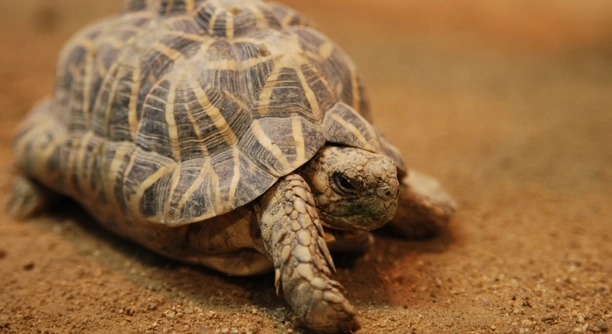
Turtles are fascinating creatures, but sometimes it can feel like they’re not as active as they could be. If you’re looking to help your turtle stay more engaged, there are simple steps you can take.
One of the most effective ways to increase your turtle’s activity is by providing a more stimulating environment. This can be achieved by offering different types of toys, increasing tank space, and ensuring proper water temperature and lighting.
By making these changes, you can encourage your turtle to be more active and healthy. Each step plays a role in improving their overall well-being.
Create a More Stimulating Environment
One of the best ways to get your turtle moving is by creating a more stimulating environment. Turtles, like many animals, benefit from enrichment that encourages them to be active. Adding items like climbing structures, hiding spots, and different textures to their habitat can encourage exploration. A larger tank or habitat also offers more space to swim, climb, and explore, which will naturally make your turtle more active. The right setup can help your turtle stay physically and mentally engaged.
Providing hiding spots also helps mimic the natural world where your turtle would seek shelter, encouraging more movement.
A well-set-up tank can improve your turtle’s behavior and health. Water temperature and lighting also play a significant role in its overall activity levels. Warm water and proper UVB lighting will keep your turtle comfortable, which, in turn, can increase its activity levels. Consider rearranging its environment periodically, as new layouts can also encourage more movement and curiosity.
Offer a Variety of Food
Feeding your turtle a variety of food can also encourage movement. When you offer different textures and flavors, it can prompt your turtle to search around for its food, which increases activity. Turtles are naturally foragers, and creating opportunities for them to “hunt” for their meals can keep them moving.
Switching between leafy greens, insects, and commercial turtle food will keep their diet interesting.
Ensure Proper Water Temperature
Water temperature significantly affects your turtle’s activity levels. Cold water can make your turtle sluggish, so it’s essential to maintain the right temperature for their species. Aim for a range that is comfortable and promotes active behavior, typically between 75°F and 85°F.
Maintaining the right water temperature will not only help your turtle be more active but also improve digestion and overall health. Invest in a reliable aquarium heater to regulate the temperature. A thermometer placed in the tank will help monitor it and avoid any sudden changes that might stress your turtle.
Regularly check the water to ensure it stays within the ideal range. If the water is too cold, your turtle may become inactive or even ill. By keeping their environment warm, you are giving them the best chance to be active and thrive.
Provide UVB Lighting
UVB lighting is another essential factor in keeping your turtle active. Turtles need exposure to UVB light for proper vitamin D3 production, which helps them absorb calcium. Without it, they may become lethargic and less active.
Position a UVB light directly over your turtle’s basking area. This ensures your turtle gets the right amount of UVB exposure to stay healthy and active. Be sure to replace the bulb regularly, as UVB lights lose their effectiveness over time. Proper lighting also supports their immune system, helping them stay energetic.
When your turtle can bask under the UVB light, it encourages natural behaviors and keeps them active. If the light is not strong enough, your turtle may not feel motivated to move or swim, which could lead to inactivity.
Offer Physical Challenges
To get your turtle moving, add physical challenges to its environment. Simple obstacles, such as ramps or logs, encourage climbing and swimming. This will make your turtle more engaged and active.
It’s important to provide a variety of challenges, allowing your turtle to explore and test its limits. New and different textures can spark curiosity.
Maintain a Consistent Routine
Consistency is key when it comes to encouraging activity. Establish a daily routine for feeding, basking, and cleaning. A predictable schedule helps your turtle feel secure and more active during specific times.
By providing a consistent structure, you can help your turtle feel more comfortable, encouraging it to be active at certain times of the day.
FAQ
What can I do if my turtle isn’t swimming much?
If your turtle isn’t swimming much, check the water temperature and ensure it’s within the right range for your turtle’s species. Cold water can make them sluggish. Also, make sure your turtle has access to proper UVB lighting and plenty of space to move around. Sometimes, stress from changes in their environment or tankmates can also cause inactivity. A larger tank with more hiding spots and obstacles for climbing might encourage more movement. Be sure to keep the water clean as well, as poor water quality can discourage activity.
How can I tell if my turtle is healthy and just inactive?
To determine if your turtle is simply inactive or unwell, observe its behavior closely. Healthy turtles may spend a lot of time basking or resting but will still swim around occasionally. If your turtle is eating well, has clear eyes, and a healthy, smooth shell, it is likely just less active. On the other hand, if it shows signs of lethargy, refusal to eat, or discolored eyes, it could be an indication of health issues. A visit to a vet is recommended if you suspect illness.
How much should I be feeding my turtle to encourage activity?
Feeding your turtle the right amount is important for its overall health and activity levels. Overfeeding can lead to lethargy, while underfeeding can result in weakness. A general rule is to feed your turtle once a day or every other day, offering a varied diet. Include greens, protein (like insects), and high-quality turtle pellets. Make sure the food is appropriate for the turtle’s age and size. If your turtle seems inactive after eating, it could be digesting, which is normal. Just avoid overfeeding and stick to a consistent schedule.
Can a lack of UVB light make my turtle less active?
Yes, a lack of UVB light can significantly impact your turtle’s activity levels. UVB is essential for the synthesis of vitamin D3, which helps your turtle absorb calcium. Without proper UVB lighting, your turtle may become lethargic, weak, or even develop shell deformities. Make sure the UVB light is strong enough and placed directly over the basking area. Replace the bulbs regularly, as their effectiveness can decrease over time. Also, ensure that your turtle has access to both UVB light and heat during the day.
How can I make my turtle’s tank more interesting to encourage movement?
To make your turtle’s tank more interesting, add various elements like rocks, logs, plants, or ramps for climbing. This encourages them to move and explore their environment. Turtles are curious creatures and will engage with new objects in their tank. You can also provide hiding spots or toys that make the tank feel like a natural habitat. Keeping things varied can prevent boredom and promote activity. Regularly rearrange the tank layout to give your turtle something new to explore, which will help keep them engaged.
Why is my turtle not basking as much?
If your turtle isn’t basking as much, it could be because the basking area isn’t warm enough, or there might be insufficient UVB lighting. Ensure that the basking spot is heated to the proper temperature for your turtle’s species, usually between 85°F and 90°F. Additionally, check that the UVB light is strong and placed close to the basking area, so your turtle can absorb the necessary light. If the area is too cold or lacks proper lighting, your turtle may avoid basking and instead stay submerged in the water.
How often should I clean my turtle’s tank?
Cleaning your turtle’s tank regularly is crucial for maintaining a healthy environment that encourages activity. Clean the tank at least once a week, removing any uneaten food, waste, and debris. You should also perform partial water changes every week to ensure good water quality. In addition, scrub the tank walls, filter, and decorations to prevent algae build-up. A clean tank helps prevent health problems that could lead to inactivity, such as shell rot or infections. A well-maintained environment will keep your turtle comfortable and more likely to stay active.
Is it normal for my turtle to be less active in winter?
Yes, it’s normal for some turtle species to become less active in winter, especially if they are cold-blooded and their metabolism slows down in cooler temperatures. Many species naturally enter a state of dormancy or reduce their activity levels when temperatures drop. However, if you keep the water temperature consistent and within the ideal range for your turtle’s species, you can help maintain activity. If your turtle seems excessively sluggish or doesn’t wake up from its resting periods, it’s best to check for potential health issues.
How can I increase the size of my turtle’s tank to encourage activity?
Increasing the size of your turtle’s tank will give it more space to swim and explore, which can significantly encourage activity. Turtles need ample room to move around, and overcrowded tanks can cause stress and inactivity. A larger tank will allow your turtle to exhibit natural behaviors like swimming, climbing, and foraging. Aim for a tank that is at least 75-100 gallons for an adult turtle, depending on the species. More space, along with the right environmental setup, will help your turtle feel more comfortable and encourage it to be more active.
What should I do if my turtle seems stressed or anxious?
If your turtle seems stressed, it may be due to environmental factors, such as water temperature, tank mates, or changes in its habitat. Stress can cause your turtle to become lethargic and inactive. To reduce stress, ensure that your turtle’s tank is set up correctly, with the right temperature, lighting, and plenty of hiding spots. Avoid sudden changes to its environment, and try not to overcrowd the tank with too many decorations or other animals. If stress persists, consider consulting a veterinarian for advice.
Final Thoughts
Making your turtle more active requires a combination of environmental factors, diet, and care. By adjusting their tank setup, such as maintaining proper water temperature and providing UVB lighting, you can encourage your turtle to be more energetic. Each small change can make a big difference in your turtle’s behavior and overall well-being. It’s essential to observe your turtle closely and ensure it has everything it needs to thrive.
In addition to temperature and lighting, the space your turtle has to move around is important. A larger tank allows your turtle to explore and swim, which helps stimulate its activity levels. Adding different textures and objects in the tank, like rocks, logs, and plants, can also provide mental stimulation and encourage movement. Providing a variety of foods, like leafy greens, insects, and high-quality pellets, ensures your turtle gets the right nutrition for energy and health. Regular feeding schedules and clean water also contribute to your turtle’s overall activity and energy.
If you notice that your turtle is still inactive despite making these changes, it’s important to rule out any health issues. Sometimes inactivity is a sign of illness, so keeping track of their eating habits, shell condition, and behavior will help you spot any problems early. If necessary, consult a veterinarian who specializes in reptiles to ensure your turtle is in good health. By following these simple steps and being attentive to your turtle’s needs, you can ensure it remains active and happy in its environment.

Hello,
If you enjoy the content that we create, please consider saying a "Thank You!" by leaving a tip.
Every little bit helps us continue crafting quality advice that supports the health, happiness, and well-being of pets around the world, for pets of all shapes, sizes, and species.
We really appreciate the kindness and support that you show us!