
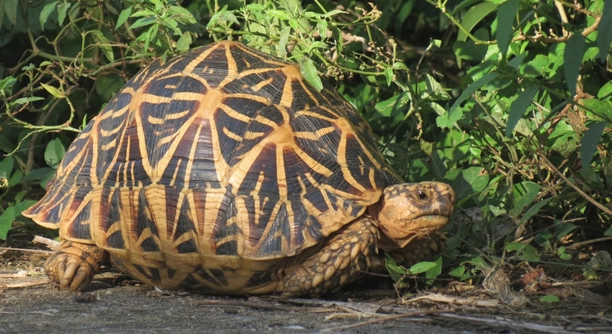
Owning a turtle requires the right tools to ensure their health and happiness. A few essential items can make a big difference in their well-being. Having the proper equipment will provide a comfortable environment for your turtle to thrive.
Every turtle owner needs several essential tools to maintain a proper habitat. These tools include a suitable tank, water filter, basking area, UVB light, thermometer, substrate, and proper food. These items create an environment that meets the turtle’s specific needs.
These tools are crucial to creating the best possible life for your turtle. With the right equipment, you can ensure their comfort and long-term health.
Choosing the Right Tank for Your Turtle
Selecting the right tank is essential for your turtle’s comfort. It should be large enough to accommodate their size and allow them to move freely. A tank that is too small can cause stress and restrict their natural behavior. For a hatchling, a 20-gallon tank is a good starting point. As your turtle grows, the size of the tank should increase to maintain a healthy environment.
Your turtle’s tank should also have proper filtration to keep the water clean. Dirty water can lead to health problems and discomfort for your pet. Invest in a reliable filter that can handle the size of your tank. Keep in mind that turtles are messy eaters, so a strong filter is necessary.
Consider the tank’s shape as well. A rectangular tank provides more space for swimming and basking. The tank should also have a secure lid to prevent escapes, as turtles are skilled climbers.
Proper Lighting and Temperature
For your turtle to stay healthy, proper lighting and temperature control are crucial. The tank should have a UVB light to mimic sunlight, as turtles need UVB rays for calcium absorption and shell health. Along with UVB light, a basking lamp is also necessary to create a warm spot for your turtle to rest and regulate its body temperature.
Turtles need a temperature gradient in their tank. One side should be warmer, around 85 to 90°F, while the cooler side should be around 75 to 80°F. This allows your turtle to move between different temperatures based on their needs. Maintaining the right lighting and temperature will prevent health issues and keep your turtle active. Regularly monitor the temperature with a thermometer to ensure it stays within the ideal range.
Substrate: Choosing the Right Material
The right substrate is essential for your turtle’s habitat. It should be comfortable for your turtle to walk on and easy to clean. Avoid gravel or anything sharp, as it could harm your turtle’s soft underside. Natural substrates like river rock or sand work well for most species.
When choosing a substrate, it’s important to consider the cleaning process. The material should be easy to spot clean and should not trap food or waste. Sand can be a good choice, but it may require more maintenance than other options. The key is to find a substrate that supports your turtle’s health and is manageable for you.
Over time, some substrates can degrade or accumulate waste. Regularly change the substrate to prevent bacteria buildup. Keep an eye on the condition of the material, and make adjustments when necessary.
Proper Feeding Tools
Turtles need a varied diet for optimal health, and the right feeding tools make a big difference. You will need a feeding dish to prevent food from polluting the water. Choose a shallow dish that is easy to clean and big enough for your turtle to eat from comfortably.
Using a separate feeding dish allows you to control how much food your turtle consumes. It prevents uneaten food from contaminating the water and helps maintain a cleaner tank. Some turtles are picky eaters, so different dishes can also help you experiment with feeding techniques and encourage more variety in their diet.
For turtles that eat a variety of foods like vegetables, pellets, and live prey, a feeding dish provides a neat solution. Keep their food fresh by removing any leftovers after feeding time.
Water Filter: Keeping Water Clean
A reliable water filter is necessary to keep your turtle’s habitat clean and safe. Turtles produce waste quickly, and without a good filter, the water can get dirty fast. Choose a filter that can handle the size of your tank to ensure it stays clean.
The water filter will not only remove visible debris but also help maintain the water’s chemical balance. This is essential for your turtle’s health, as dirty water can lead to infections and skin problems. Invest in a high-quality filter and clean it regularly to keep the water clear and safe.
Basking Area: Essential for Health
Turtles need a dry area to bask, helping them regulate their body temperature. Set up a basking platform that is easily accessible for your turtle. This area should be placed under the basking light, providing warmth and a place to rest.
Ensure the basking area is large enough for your turtle to move around comfortably. It should be sturdy and allow your turtle to climb up easily without the risk of falling. A ramp or stairs can help them access it more easily. Regularly check the area for cleanliness.
Temperature Monitor: Ensuring Proper Heat
A thermometer is necessary to monitor the temperature in your turtle’s tank. Maintaining the right temperature gradient helps your turtle thrive. Invest in an accurate digital thermometer for precise readings. Regularly check both the warm and cool areas to ensure they remain in the ideal range.
Turtles rely on external heat sources to regulate their body temperature. If the tank is too cold, your turtle may become sluggish and less active. Too much heat can cause stress. Use a thermometer to monitor the tank and adjust the heating system as needed.
FAQ
How often should I clean my turtle’s tank?
Cleaning your turtle’s tank should be done regularly. Perform partial water changes weekly to keep the water fresh and free from waste. The substrate should be spot-cleaned daily to remove uneaten food and feces. Every 2-4 weeks, deep clean the tank, including the filter and all decorations, to prevent bacteria buildup. If your tank has a filter, clean it at least once a month, depending on its size and the tank’s waste load. This will ensure your turtle stays in a healthy environment.
What type of food should I feed my turtle?
A balanced diet is essential for your turtle’s health. Most turtles are omnivores, so they require a mix of animal protein and plant-based foods. Offer commercial turtle pellets as the base of their diet, along with leafy greens like kale and lettuce. You can also give them vegetables such as carrots and zucchini. Occasionally, provide protein sources like earthworms, feeder fish, or insects. Be sure to avoid feeding them processed human foods, as these can be harmful. Feed your turtle small portions 2-3 times a week to prevent overfeeding.
Do I need to provide UVB lighting for my turtle?
Yes, UVB lighting is crucial for your turtle’s health. UVB light helps turtles produce vitamin D3, which is essential for calcium absorption and shell growth. Without proper UVB exposure, turtles can develop metabolic bone disease and other health issues. Use a UVB bulb designed for reptiles, and position it within 12 inches of your turtle’s basking area. Keep the light on for about 10-12 hours a day to mimic natural sunlight. Replace the UVB bulb every 6-12 months, as its effectiveness diminishes over time.
Can I use tap water for my turtle’s tank?
It’s generally fine to use tap water for your turtle’s tank, but you should treat it to remove chlorine and chloramines. These chemicals can harm your turtle. Use a water conditioner to neutralize chlorine or opt for filtered water if possible. Make sure the water temperature matches the tank’s conditions. Before filling the tank, always check for contaminants that could affect the water quality. Regularly monitor the water’s pH, hardness, and ammonia levels to ensure it’s safe for your turtle.
How do I know if my turtle is sick?
Watch for signs of illness in your turtle, such as lethargy, loss of appetite, swollen eyes, or abnormal swimming behavior. If your turtle’s shell appears soft, discolored, or has visible cracks, it could be a sign of poor health. Respiratory issues like wheezing or labored breathing are also common indicators of illness. Turtles are good at hiding illness, so it’s essential to observe them closely. If you notice any unusual symptoms, take your turtle to a reptile vet for an evaluation.
What is the best temperature for a turtle’s tank?
The ideal temperature for a turtle’s tank varies by species, but most turtles thrive in a temperature range of 75-85°F in the water. The basking area should be kept around 90°F to help your turtle regulate its body temperature. Use a thermometer to monitor both the water and basking areas to ensure they remain within the proper range. Consistent temperatures are important for your turtle’s metabolism and overall well-being, so avoid sudden temperature changes.
How can I create a basking area for my turtle?
A basking area is necessary for your turtle to regulate its body temperature. Use a platform that is large enough for your turtle to climb onto and dry off. The basking spot should be positioned under a heat lamp to maintain a temperature of about 90°F. You can use floating docks, rocks, or plastic platforms for this purpose. Make sure the area is secure and accessible, and that it’s positioned where your turtle can easily climb out of the water. Ensure that the basking area is cleaned regularly.
Can I keep more than one turtle in the same tank?
While it’s possible to keep multiple turtles in one tank, it requires careful consideration of their species, size, and behavior. Some turtles are territorial and may become aggressive toward each other, especially if they feel crowded. It’s best to house turtles of similar size in a tank large enough to give them their own space. Always monitor their interactions, as some turtles may fight over food or basking areas. If aggression occurs, it’s best to separate them to prevent injuries.
How long do turtles live?
Turtles can live for a long time, with some species reaching ages of 30 to 50 years or more in captivity. The lifespan of your turtle depends on the species and the care it receives. Proper habitat conditions, diet, and medical care can contribute to a long and healthy life. Some aquatic species, like red-eared sliders, can live over 40 years if properly cared for, while others may have shorter lifespans. Ensure your turtle’s environment is well-maintained to promote longevity.
What is the best substrate for my turtle’s tank?
The best substrate for your turtle depends on their species and your personal preference. For most turtles, smooth river rocks, aquatic plants, or fine sand work well. Avoid rough or sharp substrates, as they can injure your turtle’s soft underside. If you have a water turtle, consider a fine sand or gravel substrate, as these materials make it easier for your turtle to dig and forage. Ensure the substrate is easy to clean and does not trap food or waste, which could harm water quality.
Should I give my turtle a companion?
While turtles are often solitary creatures, some species may tolerate or even benefit from the company of another turtle. However, it’s important to carefully consider the size of your tank, the species of turtles, and their personalities. If you decide to house multiple turtles together, monitor their behavior closely for any signs of aggression. If you see bullying or fighting, separate them immediately. Many turtle owners choose to keep one turtle per tank to avoid these issues.
Final Thoughts
Caring for a turtle involves commitment and attention to detail. By setting up the right habitat, maintaining proper temperatures, and offering a balanced diet, you create the foundation for a healthy and happy turtle. Regular tank maintenance, including water changes and cleaning the basking area, ensures that your turtle’s environment remains safe and clean. With these basic steps, your turtle will thrive and live a long, healthy life.
Understanding your turtle’s needs is crucial for its well-being. Whether it’s providing UVB lighting for proper calcium absorption, choosing the right substrate, or ensuring a clean tank, every part of their environment plays a role in their health. Additionally, by observing their behavior, you can quickly spot any signs of illness and seek veterinary care when needed. Staying informed and proactive in your care routine will prevent common health problems and improve your turtle’s quality of life.
In the end, owning a turtle can be a rewarding experience, but it requires responsibility. The more you learn about your turtle’s specific needs and behavior, the better equipped you will be to provide the best care possible. Whether you’re a first-time turtle owner or an experienced one, consistent care, patience, and knowledge are key to ensuring that your turtle has a happy, fulfilling life. By giving your turtle the attention and care it deserves, you contribute to its overall well-being and longevity.

Hello,
If you enjoy the content that we create, please consider saying a "Thank You!" by leaving a tip.
Every little bit helps us continue crafting quality advice that supports the health, happiness, and well-being of pets around the world, for pets of all shapes, sizes, and species.
We really appreciate the kindness and support that you show us!