
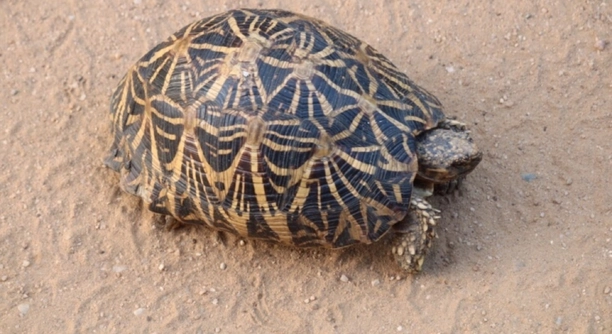
Turtles are fascinating creatures, but when they push their tank mates away, it can be concerning. Understanding their behavior can help ensure your aquarium remains a harmonious environment. This behavior may signal different underlying factors.
The primary reason turtles push their tank mates away is territorial behavior. Turtles often feel the need to protect their space and will assert dominance to maintain control. This action is common among male turtles, especially during mating season.
Managing your turtle’s social environment will help maintain peace in the tank. Taking steps to address these behaviors can improve the overall dynamic between your turtle and its tank mates.
Why Do Turtles Display Territorial Behavior?
Turtles are solitary animals by nature, often preferring their own space. When they push their tank mates away, it’s usually because they feel their territory is being threatened. This is most common in males, especially during mating seasons. Territorial aggression can also be influenced by limited space in the tank. Turtles that are kept in overcrowded conditions may feel more stressed and exhibit more aggressive behavior. It’s essential to give your turtle enough room to move around freely, as well as places where they can retreat if they feel overwhelmed.
If you’re dealing with territorial behavior, creating separate spaces within the tank can help. By adding hiding spots, such as rocks, plants, or decorations, your turtle will have areas to call its own. This not only reduces stress but also gives them a sense of control over their environment.
A balanced setup in your turtle’s habitat can go a long way in ensuring peaceful coexistence among tank mates. It’s about making sure that each turtle feels safe and secure. This approach will minimize aggressive interactions and help maintain harmony in the tank.
Understanding Social Dynamics in Tanks
Sometimes, pushing can be a sign of dominance. In the wild, turtles often assert control over their space through subtle physical gestures.
In captivity, however, there are certain triggers that may make a turtle more prone to being territorial. Tank mates, especially those of different species or similar size, might trigger territorial behavior as the turtle perceives them as competition for resources. Food and basking areas are the most common points of conflict. During feeding time, turtles may display aggressive behavior to establish dominance, pushing or chasing other tank mates away. Furthermore, the presence of another turtle or species can increase this behavior if they are competing for the same space or attention.
In these situations, adding more hiding places, multiple basking spots, and varying food locations can provide your turtle with a sense of security. This allows them to establish their own personal space within the tank, reducing stress and aggression. By offering a tank that mimics the conditions of their natural environment, you’re not only promoting healthier behaviors but also ensuring that the entire tank remains a more peaceful place.
Tank Size and Its Impact on Behavior
A smaller tank can lead to increased stress and territorial aggression in turtles. They may push their tank mates away to protect the limited space. Turtles need enough room to swim freely and find areas to retreat when needed. A cramped tank only adds to their stress and could worsen aggressive behavior.
Providing a larger tank gives each turtle the space they need to establish their own area. This helps reduce conflict and ensures that all tank mates can coexist more peacefully. A larger tank also helps in maintaining better water quality, which can improve your turtle’s overall health. The more room your turtle has, the less likely it will feel threatened by other tank mates.
If you’re housing multiple turtles, consider a tank size that accommodates each one comfortably. A 40-gallon tank is often recommended for a single turtle, with an additional 10 gallons for each extra turtle. Having enough space will allow your turtles to swim, bask, and explore, reducing aggressive behaviors like pushing.
Socializing Tank Mates
Certain species of fish and other aquatic animals may not be suitable tank mates for turtles. Some species are too active or too aggressive, which can stress out your turtle. Avoid keeping overly dominant or territorial animals with your turtle. This could trigger pushy behavior or cause anxiety.
It’s important to carefully select tank mates that won’t interfere with your turtle’s space. Peaceful species, such as snails or non-aggressive fish, are usually the best companions. Fish that are small and non-competitive for food and space will be less likely to provoke territorial behavior from your turtle. It’s best to avoid fish with long fins, as turtles may see them as something to chase or push away.
Before introducing new tank mates, take the time to observe your turtle’s behavior. If your turtle is already displaying aggressive tendencies, it’s better to delay adding new animals. Ensuring a peaceful environment for your turtle will help reduce territorial behaviors and ensure a happy, stress-free tank.
Feeding Behavior and Territorial Aggression
Turtles may push their tank mates away during feeding time to assert dominance. This is natural behavior, as they see food as a limited resource. Overcrowding or competition for food can escalate these actions. Offering enough food at different locations can reduce competition and prevent aggressive behavior.
To avoid feeding conflicts, provide multiple feeding stations. By spreading out food, you give each turtle its own space, minimizing the chance for territorial disputes. This also ensures that all tank mates have access to food without having to compete. Healthy feeding habits help maintain peace in the tank.
Lighting and Basking Areas
Turtles rely on proper lighting for their health. Limited basking spots can cause territorial behavior as turtles fight for prime locations. Ensure there are multiple basking areas so each turtle can bask without feeling threatened. Proper lighting, along with enough space, is key to reducing aggression.
If your turtle seems aggressive, check the basking area. Adding extra spots or using floating platforms can make a difference. Basking is essential for a turtle’s well-being, and providing multiple options can prevent one turtle from monopolizing the space. This will improve their behavior and reduce stress.
Stress and Illness
When turtles are stressed or unwell, their behavior can change. A sick or stressed turtle may display more territorial aggression. If your turtle is pushing tank mates away more than usual, stress or health issues could be the cause. Examine their behavior closely to detect any signs of illness.
Check for symptoms like lethargy, loss of appetite, or abnormal swimming patterns. Stress can be triggered by poor water quality, improper tank conditions, or even overcrowding. Regularly monitoring water temperature, filtration, and cleaning can help keep your turtle healthy and reduce the likelihood of aggressive behavior.
FAQ
Why is my turtle pushing its tank mates away?
Turtles are territorial creatures, especially during feeding time or when they feel their space is being invaded. They often push their tank mates away as a way to assert dominance. This behavior is more common in males, especially during mating seasons. A smaller tank or overcrowding can also increase this behavior, as turtles may feel stressed and act aggressively.
Can tank size affect my turtle’s behavior?
Yes, a small tank can make your turtle feel cramped and stressed, leading to territorial aggression. Turtles need plenty of space to swim and move around. If the tank is too small, they may push their tank mates away to establish control over their environment. A larger tank reduces stress and helps to keep the turtle more content.
How can I reduce aggression in my turtle?
To reduce aggression, ensure your turtle has enough space to swim and bask. Adding multiple basking spots and hiding places can give them a sense of security and reduce territorial disputes. If you’re keeping multiple turtles, make sure the tank is large enough to accommodate them comfortably. Regular water changes and proper filtration also help maintain a healthy environment, which can reduce stress and aggression.
Should I separate my turtles if they are being aggressive?
If your turtles continue to show aggressive behavior, separating them may be necessary. This is especially true if the aggression is causing harm to other tank mates. If possible, provide each turtle with its own space within the tank, or place them in separate tanks. Always monitor their interactions closely to ensure the safety of all animals involved.
How does the water quality affect my turtle’s behavior?
Poor water quality can lead to stress and health problems in turtles, which can result in aggression. Dirty or improperly filtered water can cause discomfort, making your turtle more irritable and likely to push its tank mates away. Regular water changes and proper filtration are essential to keeping your turtle healthy and reducing stress-related behaviors.
Can the type of tank mates influence my turtle’s behavior?
Yes, some tank mates may trigger aggressive behavior in your turtle. Fish or other animals that compete for food, space, or basking areas can cause stress and territorial disputes. It’s best to keep peaceful species with your turtle and avoid aggressive or overly active animals. Always research compatible tank mates before introducing them to your turtle’s environment.
What are the signs that my turtle is stressed?
A stressed turtle may exhibit several signs, including erratic swimming, hiding for long periods, loss of appetite, or unusual aggression. Stress can also cause physical symptoms like shell discoloration or softening. If you notice any of these signs, it’s important to examine the turtle’s environment and health to determine the cause of the stress.
How often should I feed my turtle?
Turtles should be fed once a day, but the amount of food should be controlled. Overfeeding can lead to water pollution and stress, which can increase aggressive behavior. The type of food varies by species, so it’s important to provide a balanced diet. Offer fresh food like vegetables, and protein sources such as insects or fish, in moderation.
Is it normal for turtles to fight?
It’s normal for turtles to show some aggression, especially if they are housed with other turtles. Male turtles, in particular, may become more aggressive during mating seasons. However, persistent fighting or physical harm indicates a deeper issue, such as overcrowding or incompatible tank mates. If fighting escalates, separation might be necessary.
Can adding more hiding spots reduce aggression?
Yes, adding more hiding spots can help reduce aggression. Turtles often push tank mates away when they feel threatened or stressed. By providing places where they can retreat, you create a sense of security, which can lower stress levels and reduce territorial behavior. Hiding spots are especially important if you have multiple turtles in one tank.
What should I do if my turtle is sick and pushing its tank mates away?
If your turtle is sick, it may become more irritable and exhibit aggressive behavior. If you notice signs of illness, such as lethargy, loss of appetite, or abnormal swimming, it’s important to isolate the turtle and provide proper care. Check the water quality, temperature, and diet to ensure everything is optimal for your turtle’s health. If necessary, consult a veterinarian who specializes in reptiles for further advice.
Final Thoughts
Turtles are naturally territorial animals, and it’s important to understand their behavior to maintain a peaceful tank. Pushing tank mates away is a common way for turtles to assert dominance, especially when they feel their space is being invaded. This behavior can be triggered by various factors, such as competition for food, limited basking areas, or stress caused by overcrowding. By recognizing these triggers, you can take steps to reduce aggression and create a more comfortable environment for your turtle.
One effective way to minimize territorial aggression is to ensure your tank is large enough to accommodate your turtle and its tank mates. Providing ample space helps reduce stress and allows each turtle to establish its own territory. Additionally, multiple basking spots, hiding places, and feeding stations can help alleviate competition and create a more peaceful environment. Regularly maintaining water quality is also crucial, as poor water conditions can lead to stress and health issues, further increasing the likelihood of aggression.
If aggression persists despite making environmental adjustments, it may be necessary to separate your turtles to ensure their well-being. Keeping multiple turtles in a tank can work, but only if there’s enough space for everyone to feel secure. Understanding your turtle’s needs and behavior is key to creating a harmonious tank where all residents can thrive. By paying attention to their behavior, environment, and health, you can help your turtle live a long, healthy, and stress-free life.

Hello,
If you enjoy the content that we create, please consider saying a "Thank You!" by leaving a tip.
Every little bit helps us continue crafting quality advice that supports the health, happiness, and well-being of pets around the world, for pets of all shapes, sizes, and species.
We really appreciate the kindness and support that you show us!