
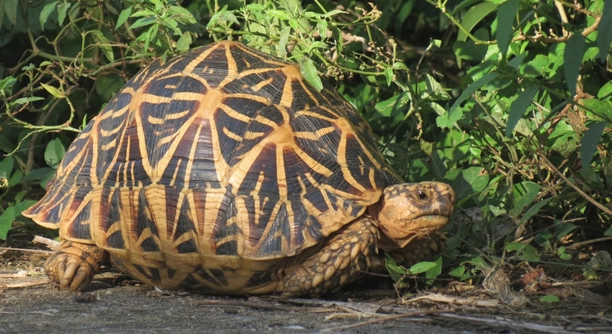
Maintaining a healthy environment for your turtles is essential for their well-being. One key factor in ensuring their habitat thrives is monitoring the water quality in their tank. A proper water testing kit can help.
To keep your turtle tank clean and safe, using a reliable water testing kit is essential. These kits test various water parameters, such as pH, ammonia, nitrite, and nitrate levels, which are crucial for a turtle’s health.
Finding the right water testing kit will help you understand and control the water conditions in your turtle’s tank. This guide will provide helpful tips on the best testing kits for a healthy turtle environment.
Why Water Quality is Important for Your Turtle Tank
Water quality plays a major role in the health of your turtle. Turtles are aquatic animals and depend on clean water to thrive. If the water in their tank is contaminated, it can lead to health issues such as shell rot, respiratory infections, or skin problems. Monitoring the water is not just about keeping the tank visually clean, but also ensuring the proper balance of chemicals like ammonia, nitrates, and pH levels.
Regular testing helps you detect early signs of water imbalance. Poor water conditions can stress your turtle, making it more vulnerable to diseases. By testing the water often, you can make adjustments to maintain the ideal habitat for your turtle.
Water testing kits are the easiest way to check for any harmful levels in your tank. With these kits, you can quickly assess whether the water is safe or if it needs some adjustments. It’s always better to catch issues early, so your turtle doesn’t suffer from poor water quality.
What Makes a Good Water Testing Kit?
A good water testing kit provides reliable and accurate results. It should be easy to use and interpret. Most kits will test key factors like pH, ammonia, nitrite, and nitrate levels. These are the essential parameters to monitor for a healthy turtle tank.
When shopping for a water testing kit, look for one that offers multiple tests in one package. A comprehensive kit can help you check various water aspects without buying several separate items. Additionally, you should consider how simple it is to use and how quickly you can get the results.
Reliable water testing kits also come with clear instructions and helpful information on how to fix any water imbalances. You don’t need to be an expert to maintain your turtle’s tank. A good kit will make the whole process much easier. Make sure to choose a well-reviewed brand to avoid unnecessary complications.
Types of Water Testing Kits
There are different types of water testing kits available. Some offer strips that you dip into the water, while others provide liquid reagents you mix with the water for results. Both types are effective, but your choice depends on your preferences.
Test strips are easy to use and provide fast results. They’re convenient for quick checks, especially if you need to test multiple times a week. Liquid kits tend to offer more precise results and are generally considered more accurate. However, they may require more time to set up and are sometimes harder to interpret.
Both options have their pros and cons, so it’s important to consider your needs. If you’re just getting started, test strips are an easy choice. If you’re more experienced, liquid kits might be worth considering for more accuracy and depth in testing water parameters.
How Often to Test Water in Your Turtle Tank
Testing water regularly is important to keep your turtle tank safe. It’s best to test at least once a week, but you may need to do it more often if you notice any changes in the water quality or your turtle’s health.
Water conditions can change quickly, especially in smaller tanks. High levels of ammonia or nitrates can build up faster than expected. Regular testing helps you catch these issues before they harm your turtle. Adjusting the water quality early on can make a big difference in maintaining a healthy environment for your turtle.
Common Water Quality Issues in Turtle Tanks
One common issue in turtle tanks is high ammonia levels. Ammonia comes from turtle waste and uneaten food. If the filter isn’t doing its job or the tank isn’t cleaned often enough, ammonia can rise quickly, which is toxic for turtles.
Another issue is high nitrate levels, which can build up over time. This is typically due to waste and leftover food breaking down. Nitrates can cause poor water quality and stress your turtle. Regular water tests will help you catch and correct these problems before they become dangerous.
How to Read Water Test Results
Reading your test results is crucial to understanding your tank’s water quality. When you use a water testing kit, you will get a color chart to match the test result. Each color corresponds to a certain level of the parameter being tested.
By comparing the color on the test strip or in the liquid sample to the chart, you can determine whether the water quality is within safe ranges. Always follow the kit instructions to ensure you’re interpreting the results correctly. If the levels are off, make adjustments promptly.
FAQ
What water parameters should I test for in my turtle tank?
The most important water parameters to test are pH, ammonia, nitrites, and nitrates. These levels directly affect your turtle’s health. pH measures how acidic or alkaline the water is, and it should be between 6.5 and 7.5 for most turtles. Ammonia should be as close to 0 as possible since high ammonia levels can be toxic. Nitrites, also toxic at high levels, should also be kept near 0. Nitrates are less harmful but should be under 40 ppm for a healthy tank.
How can I lower ammonia levels in my turtle tank?
To lower ammonia levels, start by increasing water changes. Aim for a 25% water change once a week. You can also check your filter to ensure it’s working properly and remove any uneaten food or waste from the tank. Adding live plants can help absorb some ammonia, too. Additionally, consider using ammonia-absorbing products available for aquarium tanks.
Why is the pH level important in a turtle tank?
The pH level is crucial for your turtle’s health because it affects their metabolism and overall well-being. If the pH is too high or low, it can cause stress or even harm your turtle. A stable pH of 6.5 to 7.5 is ideal for most freshwater turtles. Keeping the pH level within this range ensures your turtle’s environment is comfortable.
How do I raise or lower pH levels in my turtle tank?
To raise the pH, you can add crushed coral or use a pH-raising aquarium buffer. If you need to lower the pH, you can add aquarium-safe pH decreasers or use driftwood, which naturally acidifies the water over time. Always adjust slowly to avoid shocking your turtle.
How often should I change the water in my turtle tank?
A 25% water change once a week is generally recommended to maintain water quality. However, you may need to change more frequently if the tank is small or if you notice water quality issues. Regular water changes help prevent the buildup of harmful toxins and keep your turtle’s environment safe.
What is the ideal temperature for my turtle tank water?
Most freshwater turtles thrive in water temperatures between 75°F and 80°F (24°C to 27°C). This temperature range helps with digestion, activity levels, and overall health. If the water is too cold, your turtle may become sluggish or stop eating. Conversely, water that’s too hot can stress your turtle and affect its health.
Why are nitrates harmful to my turtle tank?
High nitrate levels can lead to poor water quality and stress your turtle. Although not as toxic as ammonia or nitrites, nitrates can cause health problems if allowed to build up over time. Nitrate levels above 40 ppm can cause skin irritation, respiratory issues, and a weakened immune system. Regular water testing and proper filtration help control nitrate levels.
Can I use the same water test kits for both my turtle and fish tank?
Yes, you can generally use the same water test kits for both turtle and fish tanks. However, it’s important to note that turtles produce more waste than fish, which can affect the water quality differently. Make sure to test regularly to keep both your fish and turtle healthy.
Should I clean the filter when I do a water change?
Yes, it’s a good idea to clean the filter when performing a water change, but avoid overcleaning it. You don’t want to remove all beneficial bacteria that help break down waste. Simply rinse the filter in tank water (never tap water) to remove debris and maintain good filtration without disrupting the biological filter.
How do I know if my turtle is stressed from poor water quality?
Signs that your turtle might be stressed from poor water quality include lethargy, lack of appetite, erratic swimming, or abnormal shell shedding. If your turtle is spending too much time at the water’s surface or staying away from the tank’s filtration system, these could also be signs of water quality problems. Regular testing will help catch issues early.
Is it safe to use tap water for my turtle tank?
Tap water can be used for your turtle tank, but it must be treated to remove chlorine and chloramine, which can harm your turtle. Use a water conditioner to neutralize these chemicals before adding tap water to the tank. It’s also a good idea to test the tap water’s pH, hardness, and other parameters to ensure they’re safe for your turtle.
What should I do if my test results are off?
If your test results are off, first try performing a partial water change to dilute the toxins. For ammonia or nitrite spikes, increase filtration or add live plants to help absorb the excess. If pH or nitrate levels are off, make adjustments using appropriate methods. Always retest the water after making changes to ensure levels return to safe ranges.
Can I test the water too often?
While it’s important to monitor your water quality regularly, testing too often is unnecessary and could lead to stress. Once a week is typically sufficient, but more frequent testing may be needed if you notice any signs of poor water quality or changes in your turtle’s behavior. Testing at regular intervals helps you stay on top of water conditions.
Final Thoughts
Maintaining proper water quality in your turtle tank is essential for the health and well-being of your pet. Regularly testing the water is one of the easiest and most effective ways to ensure that your turtle’s environment is safe. By monitoring key parameters such as pH, ammonia, nitrites, and nitrates, you can catch any problems before they become serious issues. Using a reliable water testing kit helps you stay on top of your turtle’s tank conditions, ensuring they remain healthy and happy.
It’s important to remember that water quality can change quickly, so consistency is key. Regular water changes, proper filtration, and keeping an eye on water parameters can prevent problems from arising. Even though it may seem like a lot of work, taking these small steps can make a huge difference in your turtle’s long-term health. If your water testing results show that something is off, making adjustments promptly can help avoid stress or illness in your turtle. A little extra effort goes a long way when it comes to keeping your turtle’s tank clean and comfortable.
Lastly, understanding how to properly care for your turtle’s tank will not only improve their quality of life but also ensure that your tank remains a safe and enjoyable habitat. Whether you are a new turtle owner or have been caring for turtles for years, taking the time to regularly test and adjust the water will help maintain a healthy, thriving environment for your pet. A well-balanced tank isn’t just good for your turtle; it can also make your entire setup easier to manage and more enjoyable to look after. Keep testing, stay consistent, and your turtle will thank you for it.

Hello,
If you enjoy the content that we create, please consider saying a "Thank You!" by leaving a tip.
Every little bit helps us continue crafting quality advice that supports the health, happiness, and well-being of pets around the world, for pets of all shapes, sizes, and species.
We really appreciate the kindness and support that you show us!