
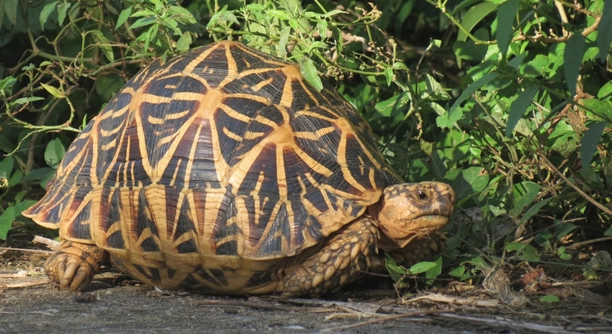
Is your turtle suddenly not eating? It can be a bit worrying when your pet doesn’t seem interested in food. However, there are a few reasons this might be happening, and understanding them is key to helping your turtle feel better.
The primary reason your turtle may be losing its appetite is related to environmental stressors or health issues. Poor water quality, incorrect temperature, or improper diet can all contribute to a lack of interest in food.
Knowing the causes behind this behavior can make all the difference in getting your turtle back to eating normally. By understanding these factors, you can address the problem effectively and ensure your turtle stays healthy.
Common Reasons for Appetite Loss in Turtles
Turtles can stop eating for various reasons, and it often starts with changes in their environment. If the water temperature is too high or too low, turtles may not feel like eating. The water quality also plays a significant role; if it’s not clean, it can make your turtle feel unwell. Additionally, if their habitat isn’t properly set up, such as lack of a proper basking area or hiding spots, this could also cause stress that affects their appetite. Sometimes, simple changes in their routine can cause them to lose interest in food. A turtle’s appetite can also be linked to its diet. If the food is unappetizing or not what they’re used to, they may refuse to eat. It’s essential to check all of these aspects when trying to figure out why your turtle isn’t eating.
Water quality, temperature, and diet are the first things to check. Ensure the habitat is clean and the conditions are right for your turtle.
In addition to environmental factors, turtles can also lose their appetite due to health issues. Respiratory infections, parasites, or even injuries may lead to a loss of interest in food. If your turtle seems lethargic or has changes in its behavior, it’s important to take note. A visit to the vet may be needed to rule out any underlying health problems. Turtles often hide signs of illness, so it can be tricky to notice until symptoms worsen. If you suspect a health issue, seek professional care as soon as possible to avoid further complications.
How Stress Affects a Turtle’s Appetite
Stress is another major factor that can influence your turtle’s eating habits. Just like humans, turtles can get stressed, and this can significantly reduce their appetite. Common stressors for turtles include too much handling, loud noises, or even changes in their tank. Turtles thrive in calm environments and need a peaceful space to feel secure. Too much disruption can cause them to retreat into their shells, affecting their eating behavior.
The key to reducing stress in your turtle is creating a calm, stable environment. Ensure there is minimal handling and provide plenty of hiding spots in the tank.
When setting up their habitat, make sure the water temperature and basking area are ideal for your turtle’s species. Some turtles are more sensitive to stress than others, so knowing what makes your pet comfortable is crucial. You may also need to adjust how often you handle or interact with your turtle. A stressed turtle may spend more time hiding and be less likely to come out to eat. Make sure the habitat is large enough to allow for exploration, and give them time to adjust if there have been recent changes. Keep their tank in a quiet area away from distractions, as this can make a huge difference. Over time, you’ll notice if stress levels decrease, and their appetite may return to normal.
Temperature and Water Conditions
If the water temperature is off, your turtle will likely stop eating. Turtles are cold-blooded, so they rely on their environment to regulate their body temperature. If the water is too cold or too hot, it can cause discomfort and stress, leading to a lack of appetite. Keeping the water temperature within the recommended range for your turtle’s species is essential. Use a reliable thermometer to monitor the water temperature and adjust it if needed.
The water should be around 75°F to 80°F (24°C to 27°C) for most species. Using a water heater can help maintain a steady temperature. If the water temperature fluctuates too much, it may cause stress, and your turtle may refuse to eat.
In addition to the water temperature, the water quality plays a huge role in your turtle’s appetite. Dirty water or poor filtration can make your turtle feel unwell, leading them to avoid food. Be sure to clean the tank regularly, check the filtration system, and remove waste to keep the water fresh. Using water conditioners can help improve water quality by neutralizing harmful chemicals, especially if you have tap water with high chlorine levels. Clean water helps your turtle stay healthy and ensures it will eat regularly.
Diet and Feeding Habits
Turtles are creatures of habit, and changes to their diet can cause them to stop eating. If you recently switched foods, your turtle may not like the new options. Stick to what they enjoy, and ensure it’s nutritionally balanced. Some turtles are picky eaters, and it’s best to offer a variety of foods to keep them interested. Try offering fresh vegetables, fruits, or live prey (depending on their species). Avoid overfeeding, as this can also lead to a loss of appetite.
If you’ve been offering food that’s too large or difficult to eat, it might discourage your turtle from eating. Make sure the food is appropriately sized for your turtle, and avoid giving too many treats. A balanced diet is key to keeping your turtle healthy and happy.
Another issue that could affect your turtle’s appetite is irregular feeding times. Turtles tend to eat better when they have a consistent feeding schedule. If you feed them too often or at random times, it can confuse them. Stick to a set routine so your turtle knows when to expect food. Also, avoid stressing them out by moving their food around too much. Let them explore and find their food at their own pace. A healthy feeding routine helps maintain your turtle’s appetite.
Health Issues to Consider
If your turtle is sick, it may stop eating. Respiratory infections, internal parasites, or other health issues can cause your turtle to feel unwell and lose its appetite. Pay attention to other symptoms such as lethargy, abnormal shell appearance, or discharge from the eyes or nose.
If you notice these signs, it’s best to take your turtle to a vet for an accurate diagnosis. Early treatment can prevent more serious health issues, so it’s important to address any concerns quickly. A vet can recommend treatments or tests to help your turtle feel better.
Basking and UVB Light
Turtles need UVB light to stay healthy. Without it, they can develop shell problems and a loss of appetite. UVB light helps turtles metabolize calcium, which is essential for their bone health and overall well-being. If your turtle isn’t basking enough or doesn’t have proper lighting, it may refuse food.
Check your turtle’s basking area to make sure it gets the right amount of UVB exposure. If the bulb is old, replace it with a new one to ensure the proper wavelength is emitted. Regular exposure to UVB light helps regulate their behavior and encourages normal eating.
Overcrowding and Tank Size
If your turtle’s tank is too small or overcrowded, it could lead to stress and a loss of appetite. Turtles need plenty of space to move around, swim, and bask comfortably. When they feel cramped, they may not want to eat. Make sure your turtle has enough room to thrive.
A larger tank allows your turtle to establish a comfortable space for eating, sleeping, and exploring. The right tank size also helps maintain water quality, which is another factor affecting appetite. If you have multiple turtles, consider upgrading to a bigger tank to give everyone enough room.
FAQ
Why is my turtle not eating after being moved to a new tank?
Turtles can be very sensitive to changes in their environment. Moving to a new tank can cause stress, which leads to a loss of appetite. It’s important to allow your turtle time to adjust to its new surroundings. Ensure that the water temperature, filtration, and lighting are set up correctly. Give your turtle some time to settle in before expecting it to eat again. During this period, avoid handling it too much, as this can further stress it. If the lack of appetite continues for more than a few days, check for signs of illness and consider consulting a vet.
How can I encourage my turtle to eat?
Try offering a variety of foods to make mealtime more interesting. Turtles enjoy a mix of vegetables, fruits, and protein-based foods like insects or fish. If your turtle is picky, try soaking the food in water or using tongs to offer it directly. A consistent feeding schedule also helps your turtle feel secure and encourages eating. Avoid overfeeding, as this can cause your turtle to lose interest in food over time. If your turtle continues to refuse food, ensure the water temperature is right, and check for any underlying health issues.
Can a change in diet cause a turtle to stop eating?
Yes, turtles are creatures of habit, and sudden changes in their diet can lead to appetite loss. If you’ve recently switched food types or brands, your turtle may not like the new food. Stick to the foods that your turtle has been eating regularly, and gradually introduce new options to give it time to adjust. A well-balanced diet should include leafy greens, protein, and occasional fruits. Some turtles prefer live food, while others are fine with pellets. Be sure to offer what your turtle enjoys to avoid food refusal.
How do I know if my turtle is sick and causing appetite loss?
If your turtle is not eating and also showing signs of lethargy, unusual behavior, or physical symptoms like a swollen or soft shell, it may be sick. Respiratory infections or parasites can cause turtles to stop eating. Check for mucus around the eyes, nose, or mouth. If your turtle seems sluggish or is having difficulty swimming, it’s a sign that something might be wrong. A lack of appetite, combined with other symptoms, should prompt a visit to the vet. Early diagnosis and treatment are important to ensure your turtle’s health.
What should the water temperature be for my turtle?
The ideal water temperature depends on your turtle’s species. Generally, most freshwater turtles thrive in water temperatures between 75°F to 80°F (24°C to 27°C). A proper water heater can help maintain a consistent temperature. Too hot or too cold water can cause your turtle stress, leading to a loss of appetite. Make sure to regularly check the water temperature to ensure it’s within the recommended range for your specific turtle species. You can use an aquarium thermometer to monitor this more easily.
Can stress affect a turtle’s eating habits?
Yes, stress is a major factor in a turtle’s refusal to eat. Stress can come from environmental changes, such as new tank conditions, loud noises, or handling. It can also result from improper tankmates or overcrowding. Turtles need a calm, stable environment to thrive, and stress can make them lose interest in food. If your turtle is hiding more than usual or acting withdrawn, it may be stressed. Reducing stressors, such as providing hiding spots or creating a more peaceful tank environment, can help your turtle feel secure and encourage eating.
Is it normal for my turtle to not eat for a few days?
Occasional loss of appetite in turtles can be normal, especially if they are adjusting to a new environment or temperature changes. However, if your turtle stops eating for more than a few days, it could be a sign of stress or illness. While turtles can fast for a few days without harm, prolonged refusal to eat can be concerning. Pay attention to other behaviors, like swimming, basking, or physical changes. If the loss of appetite lasts more than 3-4 days, consult a veterinarian to rule out health problems.
Can the wrong type of UVB light cause a turtle to stop eating?
Yes, if your turtle is not getting the right UVB light, it can impact its appetite and overall health. UVB light is essential for a turtle’s ability to process calcium and maintain a healthy shell and bones. Without it, your turtle may feel weak or uncomfortable, leading to a decrease in food intake. Ensure that your turtle has access to UVB lighting for about 10-12 hours a day. If the light is too weak or old, replace the bulb to make sure your turtle gets the proper UVB exposure it needs to stay healthy.
What can I do if my turtle is picky about its food?
If your turtle is being picky, try offering a variety of foods to see what it prefers. Some turtles are more drawn to live food, while others may prefer vegetables and fruits. You can also try soaking the food in water or using tongs to present it in a more appealing way. Stick to a consistent feeding schedule, and avoid giving treats too often, as this can spoil your turtle. If the problem persists, it could be a sign of an underlying health issue that needs veterinary attention.
How often should I feed my turtle?
The feeding frequency for your turtle depends on its age and species. Young turtles need to eat more often, typically once or twice a day. Adult turtles usually only need to be fed every other day or three times a week. Be mindful of the portion sizes to prevent overfeeding, which can also lead to loss of appetite. Make sure to adjust feeding frequency and portion size as your turtle grows. Keeping a regular feeding schedule helps maintain a healthy eating habit and ensures your turtle gets the nutrients it needs.
Final Thoughts
Understanding why your turtle is losing its appetite is important for addressing the issue effectively. There are many possible reasons, ranging from environmental factors like water temperature and tank conditions to more serious health concerns. Small changes in their habitat or diet can lead to a temporary loss of appetite, but if the problem persists, it’s essential to take action. It’s also important to consider stress, as it can cause your turtle to stop eating. Keeping your turtle in a calm, quiet environment will help reduce stress levels and encourage a healthy appetite.
If your turtle isn’t eating, it’s crucial to assess the basics first. Make sure the water temperature is within the proper range for your turtle’s species and that the water quality is clean. A poor tank setup or unsuitable water conditions can easily lead to a lack of interest in food. Also, check if the lighting is correct, as UVB light is essential for your turtle’s health and eating habits. If these factors are in check and your turtle still refuses to eat, the problem may be linked to its health. In such cases, a visit to the vet is the best course of action.
In some cases, it may take a little time for your turtle to return to its normal eating habits. Turtles, like other pets, can be sensitive to changes in their environment. Giving your turtle time to adjust to new conditions is important. However, if there are no improvements and other symptoms develop, seeking veterinary help should be your next step. By monitoring your turtle’s behavior closely and addressing any environmental or health issues, you can help ensure your turtle gets back to eating and stays healthy.

Hello,
If you enjoy the content that we create, please consider saying a "Thank You!" by leaving a tip.
Every little bit helps us continue crafting quality advice that supports the health, happiness, and well-being of pets around the world, for pets of all shapes, sizes, and species.
We really appreciate the kindness and support that you show us!