
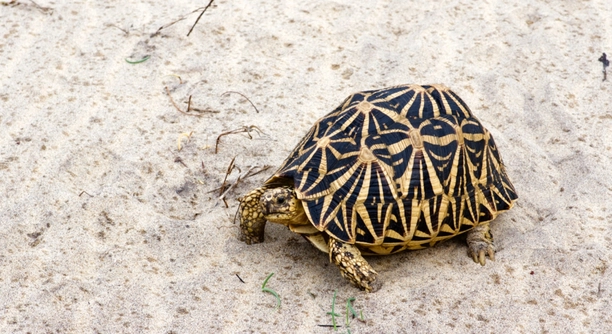
Turtles are fascinating pets, and setting up a safe and comfortable habitat for them is essential. One key aspect of their well-being is the plants in their environment. Many plants can add to their enclosure, but some can be harmful.
Certain plants are safe for turtles, while others can pose risks. It is crucial to understand which plants are toxic to turtles and which are beneficial. Selecting safe plants ensures that your turtle’s habitat remains healthy and enjoyable.
Knowing the difference between safe and unsafe plants for your turtle will help you create a better environment. In this article, we will highlight seven plants you should consider for your turtle’s home.
Safe Plants for Turtle Habitats
When it comes to adding plants to a turtle habitat, the right choices can provide both aesthetic appeal and a healthy environment for your pet. Safe plants, like water lilies or anacharis, offer shelter and food for turtles while also helping maintain water quality. These plants thrive in the wet conditions found in turtle tanks or ponds, providing oxygen and acting as natural filters. In addition, safe plants allow turtles to exhibit natural behaviors like basking or foraging.
While plants like anacharis and water lilies can be great, it’s important to know how to care for them in your turtle’s habitat. These plants need adequate lighting and clean water to thrive. They may also require pruning and maintenance to ensure the turtle has enough space. Keep the environment clean by removing decaying plant matter, which can affect water quality.
Using safe plants provides a healthier environment for your turtle. They offer hiding spots, improve water conditions, and contribute to your turtle’s well-being. Incorporating the right plants into your turtle’s home adds natural beauty while supporting its health.
Unsafe Plants for Turtle Habitats
Some plants are dangerous for turtles, either because they are toxic or difficult to manage in their environments. It’s essential to avoid certain species to keep your turtle safe and healthy.
Plants like oleander and azalea are toxic to turtles. These plants, while beautiful, can cause serious harm if ingested by your pet. Symptoms of poisoning can include lethargy, vomiting, and even death in extreme cases. Keeping these plants away from your turtle’s enclosure is vital for its safety.
Additionally, some plants might not provide the right nutrients or may alter water quality negatively. For example, plants with sharp leaves or thorns can cause physical harm, and others may quickly decay and introduce harmful bacteria into the water. It’s important to carefully choose plants that will not disrupt your turtle’s habitat. Avoiding these toxic or harmful plants will ensure that your turtle remains safe and happy in its home.
Safe Plants for Outdoor Turtle Habitats
Outdoor turtle habitats benefit from plants that can grow well in wet or partially submerged conditions. Water plants like duckweed and water hyacinth are good choices. These plants help maintain water quality and provide food for herbivorous turtles. They also create natural hiding spots.
Duckweed, a floating plant, is particularly useful in outdoor turtle habitats. It grows quickly and provides turtles with a steady source of food. However, it can quickly overtake the water, so regular thinning is necessary. Water hyacinth offers similar benefits, thriving in warmer water and offering both shade and shelter.
Both duckweed and water hyacinth thrive in sun-exposed areas. These plants are not only beneficial for your turtle but also enhance the overall look of your outdoor turtle habitat. Keeping the plants in check and providing ample space will help maintain a balanced and healthy environment for your turtle.
Safe Terrestrial Plants for Turtle Habitats
In addition to aquatic plants, terrestrial plants can also enhance your turtle’s habitat. Safe plants like clover and dandelions are perfect for turtles that roam land areas of their enclosure. They provide food and natural cover, enriching the environment.
Clover is a great choice for your turtle’s land space. It’s easy to grow and is safe for turtles to munch on. Clover also thrives in a variety of conditions, from sunny to partially shaded spots. Another beneficial plant, dandelions, offers nutritional value. Both of these plants are safe and provide a healthy snack.
Incorporating terrestrial plants into your turtle’s habitat mimics its natural environment, allowing for both shelter and a food source. Just make sure to avoid plants that have been treated with pesticides, as they can be harmful to your pet. By selecting the right plants, you can create a safe and enriching space for your turtle.
Common Toxic Plants for Turtle Habitats
Some commonly found plants can be harmful to turtles, so it’s important to know which ones to avoid. Plants like ivy and yew are particularly dangerous due to their toxic properties. Ingesting them can lead to poisoning, causing severe health problems.
Ivy contains saponins, which can cause digestive issues, lethargy, and even death in extreme cases. Yew plants are also toxic to turtles, especially the berries. They can cause cardiac issues if eaten. Keeping these plants away from your turtle’s habitat is essential to ensure their safety.
These toxic plants should never be included in a turtle’s enclosure, as the risks outweigh any potential benefits. It’s best to select plants that are safe and will not harm your turtle’s health.
Choosing the Right Aquatic Plants
Choosing the right aquatic plants involves understanding the needs of your turtle and their habitat. Plants like java fern and anacharis are great options because they are easy to care for, non-toxic, and beneficial to the water.
Both java fern and anacharis thrive in aquarium or pond settings. Java fern is especially good at tolerating low light conditions, making it an ideal choice for deeper tanks. Anacharis, on the other hand, is a fast-growing plant that provides shelter and acts as a natural filter. These plants also give your turtle places to hide and explore, creating a more natural and enriching environment.
Adding these plants to your turtle’s habitat offers multiple benefits. They improve water quality by absorbing excess nutrients and provide a comfortable space for your turtle to explore. Both plants are hardy and easy to manage, making them suitable for beginners.
FAQ
Can I use houseplants in my turtle’s habitat?
While some houseplants may seem safe for turtles, many are not suitable. Plants such as pothos and peace lilies are commonly found in homes but can be harmful to turtles if ingested. They may contain toxins that can cause digestive issues, skin irritation, or even poisoning. It’s best to stick to plants specifically labeled as safe for reptiles.
What are the best plants for a turtle’s pond?
Aquatic plants like water lilies, water lettuce, and hornwort are great choices for turtle ponds. These plants thrive in water, providing shelter and helping maintain water quality by absorbing excess nutrients. They also offer hiding spots and natural food sources for herbivorous turtles. Make sure to choose plants that are not invasive and can withstand your climate.
Are there any plants I should never have in my turtle’s habitat?
Yes, some plants are toxic to turtles and should be avoided entirely. Oleander, azalea, and rhododendron are examples of plants that can be deadly if ingested by turtles. Even small amounts of these plants can cause severe health issues, so it’s crucial to remove them from the habitat entirely.
How can I ensure my plants thrive in my turtle’s habitat?
To keep your plants healthy, provide them with the right environment. Aquatic plants need adequate lighting, clean water, and space to grow. It’s essential to regularly trim overgrown plants and remove any decaying matter to maintain water quality. For terrestrial plants, ensure they receive sufficient sunlight and are not exposed to harsh chemicals.
Do aquatic plants help with water quality?
Yes, aquatic plants play a significant role in improving water quality. Plants like anacharis, java fern, and hornwort help filter the water by absorbing excess nutrients, which reduces algae growth. They also provide oxygen and contribute to the overall health of the tank or pond. Regular care is needed to prevent plant decay, which could negatively impact water quality.
Are there any edible plants for my turtle?
Yes, many plants are safe and nutritious for turtles to eat. Water plants like duckweed, anacharis, and water lettuce are good choices. Terrestrial plants like dandelions, clover, and hibiscus are also safe for turtles and provide essential vitamins. Always research the plants before feeding them to your turtle, as some may not be suitable.
Can turtles eat flowers from my plants?
Yes, many flowers are safe for turtles to eat, but they should be free from pesticides or chemicals. Flowers like hibiscus, dandelions, and clover are common choices that turtles enjoy. However, be cautious with certain flowers, like lilies, as they may not be safe for all species of turtles.
How do I keep my turtle’s plants from being destroyed?
Turtles may sometimes nibble on the plants in their habitat. To minimize damage, provide a balance between plants they can eat and those they cannot. Stronger plants, such as java fern, are less likely to be eaten, while softer plants like duckweed may get consumed more. Regularly monitor and replace plants if needed.
Can I grow plants in a turtle tank without soil?
Yes, many aquatic plants can thrive in a turtle tank without soil. Plants like java fern, anacharis, and hornwort are rooted in the substrate but do not require soil. Some may float freely, like duckweed and water lettuce. Just ensure the plants are placed in areas where they can grow without obstruction, and the tank is kept clean.
Do aquatic plants need direct sunlight?
Some aquatic plants, like water lilies, thrive in direct sunlight, while others, like java fern, do better in low-light conditions. It’s essential to research each plant’s needs before placing it in your turtle’s habitat. Too much sunlight can cause algae to bloom, so provide indirect light if necessary. Using a good aquarium light will also support plant growth without promoting unwanted algae.
Can I add rocks or logs to my turtle’s plant setup?
Yes, rocks and logs can be a great addition to a turtle’s plant setup. They provide basking spots, hiding places, and create a more natural environment. Just ensure that the rocks are smooth and free of sharp edges to prevent injury. Logs should be placed securely to avoid them floating away or becoming a hazard to your turtle.
How often should I change the plants in my turtle’s habitat?
Plants in a turtle’s habitat may need regular maintenance rather than complete replacement. Remove dead or decaying plants promptly to prevent them from affecting water quality. You may need to trim overgrown plants, especially in small tanks or ponds, to prevent them from taking up too much space. Regularly monitor the health of your plants and replace any that are no longer thriving.
Final Thoughts
Creating a safe and healthy environment for your turtle is key to ensuring its well-being. The plants you choose can play an important role in providing both shelter and food for your pet. When selecting plants for your turtle’s habitat, it’s crucial to consider whether they are safe and whether they thrive in the conditions of the tank or pond. Plants such as anacharis, water lilies, and clover are often great choices for turtles, offering both practical benefits and natural beauty. They contribute to water filtration, provide hiding spots, and may even offer a tasty snack.
It’s important to keep in mind that not all plants are safe for turtles. Some common plants, like ivy and oleander, can be harmful if ingested. It’s essential to avoid plants that are toxic to your turtle to prevent health issues. Additionally, some plants may be difficult to care for or might not be suitable for your turtle’s environment. For example, some aquatic plants might grow too quickly and require regular maintenance to prevent overgrowth, while terrestrial plants need enough sunlight and a safe space in the enclosure. Keeping these factors in mind will help you select plants that are not only safe but also easy to care for.
Lastly, remember that plant care in a turtle’s habitat goes beyond just choosing the right types. It involves regular maintenance, such as removing decaying plants, trimming overgrown ones, and keeping the water clean. Healthy plants help improve water quality by absorbing excess nutrients and provide your turtle with a more natural and enriching space. With the right combination of plants, you can create a beautiful, functional environment that supports your turtle’s health and happiness. Whether you are setting up an indoor tank or an outdoor pond, a little research and care can go a long way in creating a safe and enjoyable space for your turtle.

Hello,
If you enjoy the content that we create, please consider saying a "Thank You!" by leaving a tip.
Every little bit helps us continue crafting quality advice that supports the health, happiness, and well-being of pets around the world, for pets of all shapes, sizes, and species.
We really appreciate the kindness and support that you show us!