
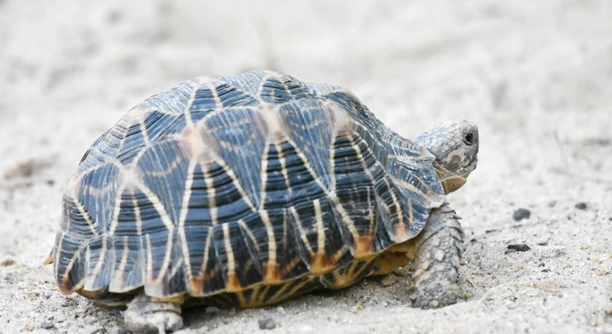
Turtles are known for their calm and steady nature, but if you notice your turtle pacing around its tank, it could signal something beyond curiosity. Understanding their behavior can help you identify potential concerns.
Turtles pace due to various reasons, such as feeling stressed, bored, or wanting to escape their environment. They may also pace when they are uncomfortable due to inadequate space, temperature, or tank conditions that don’t meet their needs.
Knowing the cause behind your turtle’s pacing will allow you to create a more comfortable and suitable environment for them.
Understanding Stress in Turtles
Turtles are sensitive creatures, and stress can lead to pacing. Stress can come from various factors such as improper tank conditions, handling, or lack of hiding spaces. If your turtle doesn’t feel secure in its environment, it may pace to signal discomfort. You’ll notice this especially when there are sudden changes to its habitat, such as temperature shifts or unfamiliar objects in the tank.
Sometimes, your turtle may just need a little more space to roam around. If the tank is too small, it can feel cramped and unable to explore freely, causing it to pace repeatedly. Larger tanks with hiding spots can make them feel more at ease.
Stress can also stem from social isolation. Turtles are solitary creatures but need proper mental stimulation. Without enough interaction or things to do, they can become bored, which might lead to pacing. Providing enrichment, such as plants, rocks, or other tank accessories, will help keep them engaged.
Temperature and Tank Conditions Matter
A major factor that can make your turtle pace is improper water temperature. Turtles require specific temperatures to stay comfortable. If the water is too cold or too hot, it may stress your turtle and cause pacing. Maintaining a balanced temperature will ensure it stays at ease.
A clean tank also plays a role. If the water becomes dirty or fouled, it can make your turtle feel uncomfortable and agitated. Regular cleaning and a proper filtration system will ensure that your turtle’s home is ideal for relaxation and exploration.
Boredom and Lack of Stimulation
Turtles need mental stimulation to stay happy. If their environment lacks things to explore, they may pace around trying to find something interesting. Adding rocks, plants, or toys can help keep them entertained and engaged.
Without stimulation, turtles can get anxious, leading to repetitive behaviors like pacing. By offering a variety of textures, colors, and structures within the tank, you create an environment that encourages exploration. Providing regular interactions and changes in the tank can help prevent boredom and reduce stress.
Lack of stimulation can affect your turtle’s overall health. Turtles that are constantly bored may stop eating, lose weight, or even become lethargic. Keeping your turtle’s mind engaged with new things will support its physical and mental well-being.
Tank Size and Space Requirements
Tank size plays a major role in a turtle’s behavior. If your turtle is pacing constantly, it may be signaling that it doesn’t have enough space to move around freely. A larger tank allows your turtle to explore more comfortably, reducing stress.
A small tank can cause a turtle to feel cramped and trapped, leading to constant pacing as it searches for a way out. Ideally, a tank should be large enough to allow your turtle to swim, bask, and move around. If your turtle is pacing frequently, it might be a sign that the tank is too small for its needs.
Turtles need enough room to feel safe. If your turtle seems agitated, consider upgrading to a larger tank. This will give them the space to feel more comfortable and less likely to pace.
Health Issues
Sometimes, pacing may indicate that your turtle is not feeling well. Illness can cause discomfort, leading to restless behavior. If your turtle is pacing more than usual, it might be dealing with a health issue.
Look out for signs like reduced appetite, lethargy, or abnormal swimming. If these accompany the pacing, it’s important to get your turtle checked by a vet. Health issues such as shell rot, parasites, or infections could make your turtle uncomfortable and cause it to pace.
Inadequate Lighting
Turtles require proper UVB lighting to maintain their health. If their lighting is insufficient, they may become stressed, which can lead to pacing. Proper lighting helps turtles regulate their activity and encourages them to bask, preventing anxiety.
Ensure your turtle’s tank has the correct UVB light and a heat source for basking. These help them maintain their natural daily cycle, reducing stress and encouraging a more relaxed environment. Without the right lighting, your turtle may feel confused or uncomfortable, leading to behaviors like pacing.
FAQ
Why does my turtle pace around the tank?
Pacing can be a sign that your turtle is stressed, bored, or uncomfortable. It could be caused by poor tank conditions, lack of stimulation, or an insufficient tank size. If the water temperature is wrong, the tank is dirty, or there’s not enough space to move around, your turtle may start pacing in search of relief. Stress can also arise from illness, which might cause the pacing behavior to increase.
How can I stop my turtle from pacing?
To stop your turtle from pacing, focus on improving its environment. Ensure the tank is large enough for your turtle to move freely. Keep the water temperature balanced, clean the tank regularly, and provide proper lighting and filtration. Add enrichment like rocks, plants, or hiding spots to keep your turtle engaged. Regularly change the tank setup to give your turtle new things to explore.
Can pacing be a sign of illness in turtles?
Yes, pacing can sometimes indicate a health problem. If your turtle is pacing more than usual and also shows signs like loss of appetite, lethargy, or abnormal swimming, it’s important to have it checked by a vet. Illnesses such as shell rot, parasites, or respiratory infections could be the cause of discomfort and lead to pacing. Keep an eye out for any changes in behavior and consult a vet if needed.
What tank size is best for my turtle?
The ideal tank size for a turtle depends on its species, but generally, a 40-gallon tank is a good starting point for a small turtle. As your turtle grows, the tank size should also increase to provide enough space for swimming and basking. Turtles need room to move freely without feeling cramped, so a larger tank can help reduce stress-related pacing. You should also make sure that the tank has a proper basking area, filtration, and UVB lighting.
Does my turtle need UVB light?
Yes, turtles need UVB lighting to stay healthy. UVB light helps them metabolize calcium, preventing shell deformities and supporting overall well-being. Without proper UVB lighting, your turtle may become stressed and more likely to pace due to confusion or discomfort. Make sure the lighting is positioned correctly to mimic natural sunlight, and replace the bulbs regularly to maintain their effectiveness.
How can I enrich my turtle’s environment?
Enrichment is important to prevent boredom and stress in turtles. Adding items like plants, rocks, and tunnels can encourage your turtle to explore. Hiding spots can also provide a sense of security, reducing anxiety. Changing the layout of the tank occasionally can keep things interesting for your turtle. Additionally, offering things like water features or floating objects will give your turtle more opportunities to engage with its environment.
Can overfeeding cause my turtle to pace?
Overfeeding can lead to health problems in turtles, such as obesity or digestive issues. If your turtle is pacing and has an increased appetite, it could be a sign of an underlying issue like digestive discomfort. Ensure you are feeding your turtle the right amount of food based on its size and species. Overfeeding can also create an unclean environment, which can contribute to pacing due to discomfort.
Is it normal for turtles to pace at night?
Turtles are diurnal, meaning they are active during the day and rest at night. If your turtle is pacing at night, it could be a sign of an environmental issue, such as improper lighting or temperature. If the tank conditions are not right, your turtle may feel restless. Check the water temperature, lighting, and tank size to make sure they meet your turtle’s needs. If the pacing continues, consider consulting a vet to rule out any health issues.
How often should I clean my turtle’s tank?
Cleaning your turtle’s tank regularly is essential for maintaining a healthy environment. Perform partial water changes weekly to keep the water fresh. The tank’s filtration system should be cleaned monthly, and any leftover food or waste should be removed daily. A clean tank helps reduce stress and keeps your turtle comfortable, preventing behaviors like pacing that can result from unclean conditions.
Can I keep multiple turtles together?
Turtles are solitary animals, but some species can tolerate cohabitation if the tank is large enough and the turtles are similar in size. However, crowded conditions can lead to stress and territorial disputes, which might cause pacing. It’s important to monitor the turtles’ behavior and ensure that each one has enough space to swim and bask. If you notice signs of aggression or stress, it may be best to house them separately.
How do I know if my turtle is happy?
A happy turtle will be active, curious, and comfortable in its environment. It will explore its tank, bask regularly, and show healthy eating habits. A lack of pacing or other repetitive behaviors is often a good indicator that your turtle is content. Pay attention to your turtle’s activity levels and behavior patterns, as these can give you insight into how it’s feeling. If your turtle seems lethargic, refuses food, or shows signs of stress, it may require attention or a change in its environment.
Final Thoughts
Pacing in turtles is a common behavior that can be caused by various factors, from stress to environmental issues. If your turtle is pacing, it’s important to evaluate its surroundings and health. Ensuring the tank is the right size, temperature, and has proper lighting is essential for keeping your turtle comfortable. If the tank conditions are not ideal, your turtle might start pacing in search of better conditions. A clean tank and a well-maintained habitat are also key to keeping your turtle calm and happy.
It’s also important to observe your turtle for any signs of illness. If pacing is accompanied by other symptoms like a lack of appetite, lethargy, or abnormal swimming, it could indicate a health problem. In such cases, a visit to the vet is recommended. Illnesses like shell rot or respiratory infections can cause discomfort, leading to restless behavior. Early detection of any health issues can help prevent serious complications and ensure your turtle stays healthy. If your turtle is pacing without any other obvious signs of illness, the cause might be more environmental, like boredom or a lack of stimulation.
In the end, understanding the cause of your turtle’s pacing behavior is the key to solving the issue. Adjusting tank conditions, providing proper enrichment, and ensuring your turtle’s overall health will go a long way in reducing this behavior. With the right environment and care, your turtle can live a comfortable and healthy life. Keeping a close eye on any changes in behavior will help you catch any potential issues early and ensure your turtle stays content in its habitat.

Hello,
If you enjoy the content that we create, please consider saying a "Thank You!" by leaving a tip.
Every little bit helps us continue crafting quality advice that supports the health, happiness, and well-being of pets around the world, for pets of all shapes, sizes, and species.
We really appreciate the kindness and support that you show us!