
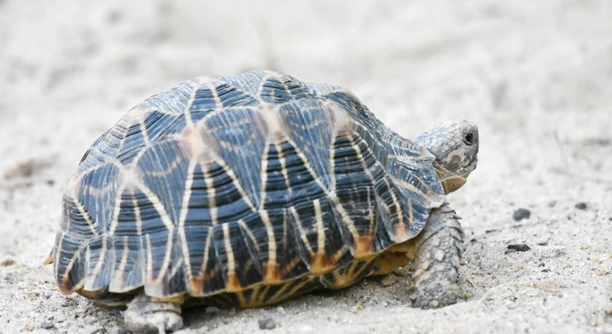
Moving to a new home can be a big adjustment for your turtle. They are creatures of habit and need time to settle into their new environment. It’s important to help them feel comfortable and safe.
To help your turtle adjust, you must ensure its new habitat is suitable. Providing proper temperature, lighting, and a clean environment will reduce stress. Gradually introduce them to their new surroundings and avoid sudden changes that may overwhelm them.
With these strategies, your turtle will have the best chance of adapting. Keep reading to learn more ways to create a smooth transition for your pet.
Choose the Right Habitat
Setting up a proper habitat is crucial for your turtle’s comfort. Ensure the tank is large enough for them to move around. Turtles need both land and water areas to thrive. The water should be clean and at the correct temperature, around 75-80°F. Install a filter to keep the water clean and ensure proper water depth to allow for swimming.
The land area should have a dry spot for basking. Turtles also need a heat source to bask under, such as a UVB light. This helps them absorb necessary vitamins. Avoid placing the tank in areas with loud noise or heavy foot traffic, as this can stress the turtle.
A proper environment will make your turtle feel secure and help them adjust faster. The more comfortable they are, the less likely they will be stressed during this transition period. Take time to set everything up properly, and you’ll create a peaceful space for your turtle.
Provide a Balanced Diet
A nutritious diet helps your turtle stay healthy during their transition. You can feed them a mix of pellets, leafy greens, and protein-rich food. It’s important to research the specific needs of your turtle species to ensure they receive the right nutrients.
Proper food intake will boost their immune system, which can make adjusting easier. Avoid overfeeding, as this can lead to health issues. Monitor your turtle’s eating habits closely to ensure they are adjusting to their new environment properly.
If your turtle is not eating, it could be a sign of stress. Offer their favorite foods to encourage eating and keep an eye on their health.
Keep the Environment Quiet
Noise can be overwhelming for turtles, especially during the adjustment period. Place the tank in a quiet area of your home, away from loud sounds or constant movement. Keeping the environment calm will help them feel more secure and less stressed.
Turtles rely on their surroundings to feel safe, and noise can disrupt their sense of security. A sudden loud noise or a bustling area can cause your turtle to become stressed, which may lead to health issues. Providing a quieter space allows them to settle into their new home at their own pace.
It’s important to avoid frequent disturbances, especially during their adjustment period. Give them space to explore and settle down without overwhelming them with noise. A calm environment promotes faster adaptation and helps them thrive in their new habitat.
Gradually Introduce to New Surroundings
Sudden changes can be stressful for your turtle. Gradually introduce them to their new surroundings to avoid overwhelming them. Allow them to explore their space little by little, starting with just a few hours at a time.
When you first place your turtle in its new home, keep interactions minimal. Let them adjust to their tank, lighting, and temperature at their own pace. This reduces stress and helps them feel safe in their new space.
Make sure to give your turtle time to rest. Overstimulating them during this phase can lead to anxiety and may delay the adjustment process. Keep it simple and let them take their time settling into their new environment.
Set Up a Regular Feeding Schedule
A consistent feeding schedule will help your turtle feel secure in its new environment. Feed them at the same time each day to establish a routine. This predictability reduces stress and gives them a sense of stability.
Maintaining a regular schedule also helps you monitor their eating habits. If they are adjusting well, you will notice a steady appetite. If they are hesitant to eat, it may be a sign of stress or discomfort, which means further adjustments may be necessary.
Ensure Proper Lighting and Temperature
The proper lighting and temperature are vital for your turtle’s health. A UVB light helps them synthesize vitamin D3, which is essential for calcium absorption and overall health. The temperature should be between 75-80°F for the water and around 90°F for the basking area.
Without these conditions, your turtle can become weak or develop health problems. Make sure you’re using the right type of light and keeping it on a timer for consistency. The heat should be monitored with a thermometer to ensure the environment stays within the correct range.
Monitor Their Health
Regularly check on your turtle’s health. Observe for signs of stress, such as reduced activity or lack of appetite. If these persist, consider environmental factors or consult a vet.
Keeping track of their behavior and appearance is crucial during their adjustment phase. Healthy, active turtles will adapt faster to their new environment, so monitoring their well-being is key.
FAQ
How long does it take for a turtle to adjust to a new home?
It can take anywhere from a few days to several weeks for a turtle to adjust to a new environment. The time depends on factors like the turtle’s age, species, and the conditions of the new habitat. Older turtles might need more time due to a more established routine, while younger turtles can adjust quicker. During this period, observe your turtle closely for signs of stress or discomfort. Keeping the environment stable and consistent can speed up the adjustment process.
What signs should I look for to know if my turtle is stressed?
Stress in turtles can show up in various ways, such as decreased activity, lack of appetite, or hiding more than usual. If your turtle is constantly basking but not moving around much or seems lethargic, it may be stressed. Another sign is if the turtle starts pacing or constantly trying to escape its habitat. Overly aggressive behavior or scratching at the walls of the tank can also signal stress. It’s essential to assess both environmental factors and their health to understand the cause of stress.
Can I put my turtle in the tank immediately after setting it up?
It’s better to let the tank settle for a day or two before introducing your turtle. The water should be filtered and at the proper temperature, and the lights should be working. Take time to ensure that everything is in place before introducing them to avoid any stress. Test the tank’s water temperature and UVB light, as this will affect the turtle’s health. Letting the environment adjust for a day helps prevent any immediate environmental shocks to your pet.
Should I keep my turtle in the same spot for a while?
Yes, it’s a good idea to keep your turtle in the same spot for the first few weeks. This helps establish a routine and gives them a chance to acclimate without further disruption. Turtles are creatures of habit and feel more secure when their environment remains unchanged. Avoid moving the tank around too much during the adjustment period, as this can create additional stress. Once your turtle has settled, you can gradually experiment with small changes to its environment.
Is it okay to handle my turtle during the adjustment period?
It’s best to avoid excessive handling during the first few days or weeks. Turtles need time to adjust to their new home and environment. Frequent handling can add to their stress and disrupt their settling process. Only handle your turtle when necessary, such as for cleaning or if there is a medical concern. Allow your turtle time to explore its surroundings without interference. Gradual, gentle interactions are better once they seem more comfortable in their new space.
How can I help my turtle feel more comfortable in its new home?
Create a stable, quiet environment with proper lighting, temperature, and clean water. Ensure the tank is large enough, with a clear division between land and water areas, so your turtle can move freely. Introduce hiding spots, like rocks or plants, to give your turtle a sense of security. Try not to disturb them frequently and give them time to explore at their own pace. Gradually increase your interactions as they become more comfortable. Consistent routines, like feeding at the same time each day, also help them feel more settled.
What is the ideal temperature for a turtle’s habitat?
The ideal temperature for a turtle’s habitat depends on the species, but generally, water should be between 75-80°F, with a basking area around 90°F. Maintaining these temperatures is crucial to ensure your turtle’s health and comfort. Use a thermometer to monitor the water and a heat lamp for the basking area. Turtles need warmth to digest their food and stay active, so it’s essential to provide a temperature gradient in the tank. A thermometer in both the water and basking areas will help you monitor this more accurately.
Can a turtle live with other pets in the same tank?
It’s not recommended to house turtles with other pets in the same tank, especially if they are different species. Turtles can be territorial and might become stressed if other animals are present. Additionally, other pets might not have the same habitat requirements and could cause harm to your turtle. If you do plan on keeping multiple turtles together, make sure the tank is large enough to provide enough space for each one. Always monitor interactions to ensure that they coexist peacefully.
Should I be concerned if my turtle isn’t eating right away?
A turtle not eating right away could be a sign of stress, but it’s not always cause for concern. If the environment is new, it may take a few days for the turtle to settle in. However, if they refuse food for more than a week, you should check the water temperature, cleanliness, and lighting conditions. Also, make sure you’re offering food that is appropriate for their species. If the issue persists, it’s best to consult a vet to rule out any underlying health issues.
What type of food should I feed my turtle during the adjustment period?
During the adjustment period, feed your turtle a balanced diet that includes pellets, fresh vegetables, and protein sources like worms or small fish, depending on their species. Stick to foods that your turtle is familiar with to make the transition easier. Offering a variety of food can also help ensure they’re getting the necessary nutrients. Avoid overfeeding, as this can cause stress or other health issues. Make sure food is cut into manageable sizes so the turtle can eat easily and comfortably.
Final Thoughts
Adjusting to a new home can be a stressful experience for turtles, but with the right care and attention, they can settle in comfortably. The key is to provide a stable and consistent environment. This includes the right water temperature, lighting, and tank setup. When everything is in place, your turtle will feel more secure, helping them adjust more quickly. Pay attention to the smallest details, such as the size of the tank, access to basking spots, and the water’s cleanliness. A clean, well-maintained environment is essential for their health and well-being.
Patience is also an important factor during this adjustment period. Every turtle is different, and the time it takes for them to feel at home can vary. Some turtles may adapt within a few days, while others may need a few weeks. Observe their behavior closely during this time. If they are eating and moving around normally, it is a good sign that they are adjusting well. If they seem stressed, consider the possible reasons, such as changes in temperature, lighting, or handling. By addressing these factors, you can help your turtle feel at ease in their new environment.
Finally, it’s crucial to monitor your turtle’s health throughout the adjustment process. Regularly check for any signs of illness or stress, such as a lack of appetite, unusual behavior, or lethargy. If these symptoms persist, it may be helpful to consult a veterinarian. Ensuring your turtle’s environment is both comfortable and safe is the best way to help them thrive in their new home. With time, care, and attention to detail, your turtle will eventually adapt and feel comfortable in their new surroundings.

Hello,
If you enjoy the content that we create, please consider saying a "Thank You!" by leaving a tip.
Every little bit helps us continue crafting quality advice that supports the health, happiness, and well-being of pets around the world, for pets of all shapes, sizes, and species.
We really appreciate the kindness and support that you show us!