
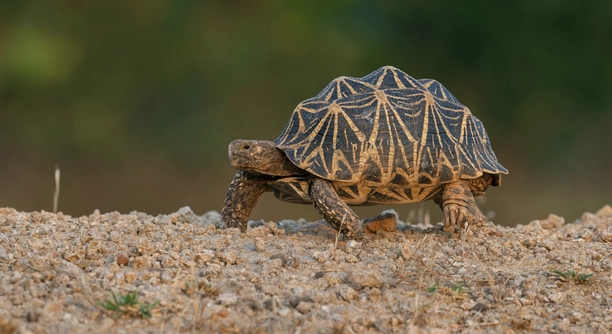
Turtles can be picky eaters, making it a challenge to figure out what they like. If your turtle seems uninterested in food, there could be several reasons behind their fussiness.
Turtles may become picky about food due to stress, environmental factors, or health issues. Offering a variety of food, maintaining proper habitat conditions, and ensuring their diet meets nutritional needs can help address this behavior.
In this article, we will explore why your turtle might be so selective and provide simple ways to encourage them to eat more willingly.
Stress and Environment Factors
Stress can make your turtle lose interest in food. Turtles are sensitive creatures, and changes in their environment can affect their eating habits. If you’ve recently moved their tank, added new tank mates, or even changed the lighting or temperature, it might be stressing them out. Stress can result in your turtle feeling too anxious to eat.
Temperature plays a significant role in a turtle’s appetite. They are cold-blooded animals, so if their environment is too cold or too hot, they may not feel like eating. Turtles need a warm basking area between 85°F and 90°F and a water temperature between 75°F and 85°F to stay healthy and active.
Along with temperature, lighting is essential. Turtles need proper UVB lighting for about 10-12 hours a day to help with digestion and overall health. A lack of UVB can lead to a drop in appetite and other health issues. Check the setup to ensure it’s ideal for their needs.
Health Issues
If your turtle refuses food despite a well-maintained environment, health issues might be the cause. Some common problems like respiratory infections or parasites can affect their appetite. Turtles with these conditions often show other signs, such as lethargy or changes in behavior.
If you suspect your turtle may have a health issue, a visit to the vet is crucial. They will be able to diagnose and treat any underlying problems. Healthy turtles are more likely to eat regularly, so getting to the bottom of any health concerns is key to solving feeding problems. Turtles may also avoid eating if they are in pain, so always watch for signs of discomfort.
Incorrect Diet Choices
Sometimes, turtles are picky because they’re not interested in the food being offered. They need a balanced diet with a mix of vegetables, fruits, and protein. If you’re giving them the same thing every day, they may lose interest. It’s important to switch things up to keep them excited.
Turtles like variety. Some might enjoy leafy greens like kale or dandelion greens, while others might prefer squash or bell peppers. Offering a protein source, like mealworms, crickets, or even fish, is important to make sure they’re getting all the nutrients they need. You can also try different fruits such as strawberries or melon.
Offering different food types also mimics their natural foraging behavior, which helps keep them engaged. Sometimes, just adding a little change in texture or appearance can make a huge difference. Experiment with small changes to find what excites your turtle.
Feeding Time Issues
The time you choose to feed your turtle can also influence how much they eat. Turtles are most active during the day, and they tend to eat when they feel like it. If you’re trying to feed them at night, they may not be interested. You’ll have better luck feeding them when they’re alert and active.
Feeding your turtle during the day, particularly when they’ve had some time to bask in the heat, will likely make them more interested in eating. Ensure they have a proper basking spot, as this will regulate their metabolism and prepare them to eat. Also, try feeding them once they are in the water for a short swim, as they tend to be more active then.
Making sure they are hungry enough is key, but overfeeding can also be a problem. Avoid offering too much food at once, as this can overwhelm your turtle and cause them to lose interest. Find a balanced routine that suits both their eating habits and needs.
Overfeeding
Overfeeding your turtle might make them picky. If you constantly offer food, they won’t feel hungry enough to eat what’s presented. This can lead to them ignoring meals. It’s important to control their food portions.
Stick to a regular feeding schedule and offer appropriate portion sizes. A good rule of thumb is to give your turtle enough food for them to finish in about 15 minutes. If there’s leftover food after that time, reduce the portion for the next meal. This helps prevent them from getting too full, ensuring they remain interested in food.
Incorrect Water Quality
Dirty or unclean water can make turtles avoid eating. Poor water quality affects their health and can stress them out, leading to a loss of appetite. Regular water changes are necessary for maintaining good health.
Turtles produce waste in the water, which can pollute the tank quickly. It’s essential to filter the water and clean it regularly to keep it clear and fresh. Poor water quality can also cause shell rot or skin infections, making your turtle more likely to skip meals. Make sure your turtle’s tank has a proper filtration system.
FAQ
Why is my turtle not eating even though its environment seems fine?
If your turtle isn’t eating despite a well-maintained environment, it could be due to stress, health issues, or dietary preferences. Even small changes in the environment, like a new tank or lighting adjustments, can cause stress. Check for signs of illness, such as lethargy, swollen eyes, or unusual behavior. If you notice anything out of the ordinary, a vet visit might be necessary. Sometimes, turtles simply become picky if they don’t like the food you’re offering, so try changing up their diet.
How often should I feed my turtle?
Most adult turtles should be fed every two to three days. Young turtles, however, need to eat more frequently—usually once a day. Overfeeding can lead to health problems like obesity, so it’s crucial to keep feeding times consistent but not excessive. Adjust the amount of food based on their size and age. Pay attention to how much they eat in one sitting, and if they consistently leave food behind, reduce the portions.
Can I feed my turtle human food?
It’s best to avoid feeding your turtle human food, as many items can be harmful to them. Certain human foods, like processed snacks or high-fat items, are not suitable for turtles. However, some fruits and vegetables that are safe for human consumption can be given to turtles, like berries, apples, or leafy greens. Always research which foods are safe and avoid feeding them anything with too much salt, sugar, or artificial additives.
How do I know if my turtle is sick?
Signs of illness in turtles include lack of appetite, swollen eyes, difficulty swimming, changes in behavior (like being unusually lethargic), or visible skin issues like shell rot. If your turtle isn’t eating and you’ve ruled out environmental issues like water quality and temperature, it’s best to consult a vet. Early detection can prevent serious health complications.
Can my turtle eat fish?
Yes, turtles can eat fish, and it’s a good source of protein. Small feeder fish like minnows, guppies, or goldfish are commonly fed to turtles. However, avoid feeding them too often as fish can sometimes carry parasites or high-fat content. It’s important to offer variety in their diet, balancing fish with vegetables and other protein sources.
Should I be worried if my turtle doesn’t eat every day?
Turtles often don’t eat every day, especially adult ones. Many turtles fast for a few days without it affecting their health. However, if your turtle goes several days without eating and shows other signs of illness, like lethargy or difficulty moving, it’s worth checking in with a vet. Their appetite can fluctuate depending on temperature, lighting, and other factors.
Why does my turtle bask so much but still refuse to eat?
Basking is essential for a turtle’s digestion and overall health. They may bask to regulate their body temperature or to rest. If they’re not eating, it could be due to stress, environmental factors, or even an underlying health issue. If they spend too much time basking without eating, check their temperature, lighting, and overall health to ensure everything is in balance.
Can my turtle eat insects?
Yes, insects can be part of a turtle’s diet. They are a natural food source for many species of turtles in the wild. You can feed your turtle insects like crickets, mealworms, or earthworms. Just be sure to buy them from a reputable source to avoid any parasites. Insects should be given as a supplement to their regular diet of vegetables and protein.
How do I make my turtle’s food more appealing?
If your turtle is picky about food, try making it more appealing by offering a variety of options. Different textures, colors, and smells can attract their attention. Try mixing different greens, fruits, and protein sources to see what they prefer. You can also try feeding them in different areas of their tank to see if that helps spark their interest.
Should I feed my turtle by hand?
Feeding your turtle by hand can encourage bonding and trust, but it’s not always necessary. Some turtles might be shy and refuse to eat from your hand. If your turtle is open to it, you can try offering food with your fingers, but avoid making it a habit unless they’re comfortable with it. You can also use feeding tongs to avoid accidental bites.
Final Thoughts
Dealing with a picky turtle can be frustrating, but it’s important to remember that there are several factors at play. Turtles are sensitive creatures, and their eating habits can be influenced by a variety of things such as their environment, health, and diet. Small changes, like adjusting the water temperature, offering a wider variety of food, or ensuring they’re not stressed, can make a big difference. Understanding your turtle’s needs and paying attention to their behavior will help you figure out why they’re picky and how to fix it.
If your turtle’s reluctance to eat persists despite your efforts, it may be time to consult a veterinarian. Sometimes, a lack of appetite can be a sign of an underlying health issue, such as a respiratory infection or parasites. A vet can help rule out any serious problems and provide guidance on how to improve your turtle’s eating habits. Regular checkups are also a good idea to ensure your turtle stays healthy and happy in the long term.
Overall, patience and consistency are key when dealing with a picky turtle. By maintaining a proper habitat, offering a balanced and varied diet, and addressing any potential stress factors, your turtle is more likely to return to regular eating habits. If you remain attentive and adjust their care as needed, you’ll likely see improvements over time. Your turtle’s eating habits will stabilize, and both you and your pet will benefit from a healthier and happier relationship.

Hello,
If you enjoy the content that we create, please consider saying a "Thank You!" by leaving a tip.
Every little bit helps us continue crafting quality advice that supports the health, happiness, and well-being of pets around the world, for pets of all shapes, sizes, and species.
We really appreciate the kindness and support that you show us!