
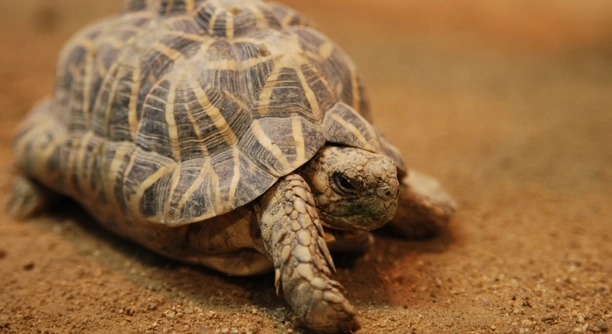
Turtles are delightful companions, but it’s important to monitor their diet closely. Overfeeding can lead to various health problems that may affect their well-being in the long run. Recognizing the signs early can help prevent issues.
Overfeeding in turtles can lead to obesity, lethargy, and potential long-term health problems. Signs of overfeeding include weight gain, lack of movement, and changes in eating behavior. Monitoring food portions is key to maintaining your turtle’s health.
Knowing these signs will help you ensure your turtle remains healthy and happy. Keeping a balanced diet is crucial for their well-being, and we’ll show you how to manage their feeding routine effectively.
Weight Gain and Lack of Movement
If your turtle is gaining weight rapidly, it might be a sign of overfeeding. Overweight turtles often move less and seem lethargic. This can be particularly concerning because excess weight puts strain on their organs and joints. If your turtle is becoming more sedentary, it’s time to reconsider their feeding schedule.
Turtles that aren’t active and are gaining weight could be suffering from obesity. It’s important to note that a lack of movement can also be caused by other factors, like environmental stress or inadequate habitat. However, overfeeding is one of the most common reasons behind weight gain and inactivity.
A turtle’s activity levels should match its food intake. If your turtle is eating large amounts of food but shows no interest in moving, it could indicate an imbalance in its diet. A healthy turtle should be active and alert, regularly swimming or walking around its enclosure. If this is not the case, cutting back on food might be necessary to encourage more movement and overall well-being.
Change in Eating Habits
A sudden change in your turtle’s eating habits could indicate an overfeeding issue. Overfed turtles may begin to eat less over time as their bodies adjust to excess calories.
When a turtle starts eating less or becomes picky about food, it can be a sign that they’ve had too much. This shift often happens when their digestive system is overwhelmed by large quantities of food. Over time, the turtle may also develop a preference for only the most calorie-dense foods, avoiding the healthier options that are key to maintaining proper health.
Turtles, like all reptiles, have specific dietary needs that need to be balanced. If they’re fed too much, their bodies might start to reject food or lose the drive to eat. This can be harmful in the long term, as it often leads to nutritional imbalances. Understanding portion control and feeding your turtle at regular intervals can help maintain their appetite and energy levels. Regular, balanced meals are vital for keeping your turtle’s digestive system healthy and ensuring they stay active.
Difficulty in Swimming
If your turtle is struggling to swim, it could be a result of overfeeding. Extra weight makes it harder for turtles to stay buoyant, affecting their natural swimming abilities. This lack of mobility can lead to further health problems if not addressed.
A turtle that has difficulty swimming might be carrying excess fat, which negatively impacts its buoyancy. Overfed turtles may become too heavy, making it hard for them to paddle properly. If you notice your turtle staying at the bottom of the tank or floating unnaturally, it’s important to monitor their diet and reduce portion sizes. Overfeeding leads to more fat accumulation, further limiting their movement and causing stress on their muscles and bones. Adjusting their diet can improve both their swimming abilities and overall health.
Excess weight also puts added pressure on your turtle’s heart and lungs. It can lead to respiratory issues, especially if your turtle is struggling to reach the surface for air. Maintaining a healthy weight is key to ensuring that your turtle can swim freely and stay active, preventing further health complications that arise from obesity.
Changes in Shell Appearance
Overfeeding can also affect the appearance of your turtle’s shell. An overfed turtle may show signs of shell deformities, such as abnormal growth or softening. These changes often happen due to an unbalanced diet or obesity.
Shell problems can be a sign that your turtle is not getting the right nutrition, despite being overfed. An imbalanced diet, caused by too many high-calorie foods, can lead to calcium deficiencies or other health issues that show up in the shell. A healthy turtle’s shell should be firm and smooth. If the shell becomes soft, scaly, or deformed, it’s crucial to adjust their diet. Overfeeding could cause these issues to worsen over time, making the turtle more vulnerable to infections or shell damage. Cutting back on food and offering a well-balanced diet is essential for shell maintenance.
To prevent shell issues, make sure your turtle is getting the proper nutrients, like calcium and Vitamin D, in the right amounts. It’s also important to avoid overfeeding high-fat or high-protein foods, as this can disturb the nutritional balance. Keep your turtle’s shell healthy by providing a varied and controlled diet that supports their long-term health.
Poor Appetite
An overfed turtle may lose interest in eating due to their body already having more than enough food. Overfeeding can lead to a decrease in their natural hunger signals, making it harder to track their actual appetite.
When a turtle stops eating regularly, it could be a sign that they’re simply too full. This often happens when a turtle is given more food than necessary, leading to overeating. If your turtle refuses to eat or only nibbles at their food, this is a clear sign to reduce portion sizes. Keeping track of their feeding schedule and adjusting amounts accordingly can help bring back their healthy appetite.
Excessive Basking
Overfeeding can cause your turtle to bask more than usual. With extra weight, turtles may need more time to digest, leading to increased sun exposure. This behavior can indicate that your turtle is dealing with digestive issues due to overeating.
Turtles need heat and UV light for proper digestion, but excessive basking can signal an imbalance. If your turtle spends too much time basking, it may be struggling with digestion. This is often a result of being overfed or eating the wrong types of food. Turtles may feel sluggish and resort to basking to recover energy. It’s important to monitor their diet and reduce food intake to help restore their natural balance. Limiting their feeding schedule and providing a more appropriate amount of food will encourage healthy habits.
Decreased Lifespan
Overfeeding can shorten your turtle’s lifespan due to the strain it places on their organs and overall health. Excess weight and obesity can cause long-term health issues that lead to premature death.
A turtle that is consistently overfed is more likely to develop serious conditions such as heart disease, liver problems, or respiratory issues. These can all reduce their quality of life and lifespan. To prevent this, it’s important to feed your turtle the right amounts, using portion control to avoid overfeeding. By maintaining a balanced diet and a healthy weight, you can help your turtle live a longer, happier life.
FAQ
How much should I feed my turtle?
The amount of food you should feed your turtle depends on its species, size, and age. Generally, a turtle should be fed as much as it can consume in 15-20 minutes, two to three times a week. For young turtles, feeding every day is recommended, while adults can be fed every other day. It’s essential to keep track of portion sizes to avoid overfeeding, which can lead to obesity and other health issues. Always provide a balanced diet that includes a variety of foods such as leafy greens, protein sources, and occasional treats.
What are the signs that my turtle is overfed?
Signs that your turtle is overfed include rapid weight gain, lethargy, difficulty swimming, and loss of appetite. Overfed turtles often bask excessively or show no interest in food. You might also notice changes in their shell appearance, such as soft spots or abnormal growth. Monitoring your turtle’s eating habits and activity levels regularly can help you identify any issues early. If any of these signs appear, consider reducing their food intake and offering a more balanced diet to restore their health.
Can I feed my turtle too much protein?
Yes, turtles can be overfed with protein. While protein is essential for growth and overall health, too much protein can lead to kidney problems, obesity, and shell deformities. Most adult turtles require a protein source only a few times a week. For baby turtles, protein can be offered more frequently but still in moderation. Stick to a balanced diet that includes vegetables, greens, and occasional protein sources such as insects, fish, or commercial turtle food.
Is it okay to feed my turtle every day?
It depends on the turtle’s age and species. Baby turtles, which are growing rapidly, need to be fed daily to support their development. Adult turtles, however, can be fed less frequently, about every other day. Overfeeding daily can lead to weight gain and health problems. It’s important to adjust the feeding schedule based on your turtle’s age and size to prevent overfeeding. Regularly check your turtle’s weight and adjust their portions accordingly.
How do I know if my turtle is underfed?
If your turtle appears thin, lacks energy, or seems uninterested in food, it could be underfed. A healthy turtle should have a balanced body weight with a firm shell and an active demeanor. If your turtle’s bones feel prominent or the shell looks too soft, these may be signs of malnutrition. Offering a wider variety of food and ensuring they get the proper nutrients can help. Underfed turtles can also develop weak immune systems, so maintaining a proper feeding schedule and portion sizes is essential.
What is the best diet for a turtle?
The best diet for a turtle varies based on species, but in general, it should consist of a mix of vegetables, fruits, protein, and commercial turtle pellets. Leafy greens like kale, dandelion greens, and collard greens are essential for their health. Some species may require more protein, while others are primarily herbivores. Avoid feeding your turtle too many high-fat or sugary foods like lettuce or fruits. Incorporating a variety of foods ensures they get all the necessary vitamins and minerals to stay healthy.
How often should I change my turtle’s water?
It’s recommended to change your turtle’s water at least once a week, but this can vary depending on the size of the tank and the number of turtles you have. If you have a small tank or multiple turtles, you may need to change the water more frequently to keep it clean. Regular water changes prevent bacteria build-up and maintain a healthy environment for your turtle. Make sure to monitor the water’s quality regularly to ensure your turtle remains in a clean habitat.
Can overfeeding cause health problems in turtles?
Yes, overfeeding can cause numerous health problems for turtles. These include obesity, respiratory issues, heart disease, shell deformities, and organ strain. Excess food leads to fat accumulation, which can impair a turtle’s mobility and even affect its ability to swim. A poor diet can also weaken their immune system and make them more susceptible to infections. It’s crucial to feed your turtle the right portions and provide a well-balanced diet to avoid these health complications.
What foods should I avoid feeding my turtle?
Some foods are harmful to turtles and should be avoided. These include iceberg lettuce, high-fat foods like cheese or processed meat, and foods with high sugar content such as fruit in large amounts. Also, avoid feeding your turtle foods with pesticides or chemicals, as these can be toxic. Stick to fresh, organic vegetables and fruits in moderation, along with safe protein sources like insects, fish, and turtle pellets. Providing a varied diet ensures your turtle gets the nutrients it needs without overfeeding.
How can I help my turtle lose weight?
If your turtle is overweight, start by reducing the amount of food you offer. Decrease the frequency of feeding, and avoid high-calorie treats. You should also ensure your turtle has an appropriate habitat that encourages movement, like a larger swimming area. Regular exercise, such as swimming or walking, will help your turtle burn calories. Avoid feeding your turtle too much protein and opt for more vegetables and greens to help regulate their weight. Consistency is key to managing their diet and overall health.
Can overfeeding affect a turtle’s shell?
Yes, overfeeding can affect your turtle’s shell, often causing it to become soft or develop abnormal growth patterns. Excess weight from overfeeding puts stress on the turtle’s bones and internal organs, which can interfere with shell development. A poor diet, particularly one lacking in essential nutrients like calcium, can lead to shell deformities or softening. To ensure a healthy shell, feed your turtle a balanced diet and avoid excessive portions of high-calorie foods. Regularly monitor their weight and shell condition for early signs of issues.
What should I do if my turtle is overfed?
If you notice signs of overfeeding, the first step is to adjust the feeding schedule. Reduce the amount of food and make sure the portions are appropriate for your turtle’s size and species. You should also provide a more balanced diet, focusing on vegetables and controlled protein intake. Increase your turtle’s activity level by offering more space for swimming and exercise. Regularly check for any health issues related to overfeeding, such as weight gain, lethargy, or shell changes, and consult a veterinarian if necessary.
Final Thoughts
Overfeeding a turtle can lead to a variety of health issues, including obesity, lethargy, and shell deformities. It’s essential to keep track of your turtle’s diet and ensure they are getting the right amount of food for their size and species. By observing your turtle’s behavior and body condition, you can better understand if they are being overfed. A well-balanced diet, consisting of vegetables, protein, and occasional treats, is the key to maintaining your turtle’s health.
Feeding schedules and portion sizes should be adjusted as your turtle grows. Baby turtles need to eat more frequently than adults, but this does not mean they should be overfed. As your turtle matures, their feeding needs will change. It’s important to offer food in moderation and avoid providing large quantities at once. Overfeeding can cause more harm than good, as excess food leads to unnecessary weight gain and can put strain on your turtle’s organs. Regular monitoring and adjusting their food intake will help keep them in a healthy weight range.
In conclusion, the best way to keep your turtle healthy is by providing a balanced diet and avoiding overfeeding. Offering the right amount of food, ensuring they have a proper environment for exercise, and regularly observing their health are all important factors. If you notice any signs of overfeeding, it’s important to make adjustments as soon as possible. By staying attentive to your turtle’s needs and making sure they’re eating the right foods in the right amounts, you can help them live a long and healthy life.

Hello,
If you enjoy the content that we create, please consider saying a "Thank You!" by leaving a tip.
Every little bit helps us continue crafting quality advice that supports the health, happiness, and well-being of pets around the world, for pets of all shapes, sizes, and species.
We really appreciate the kindness and support that you show us!