
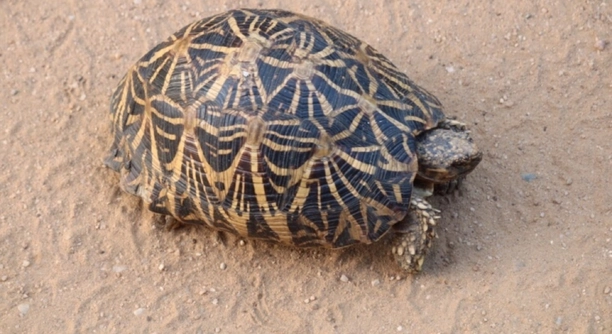
Turtle breeding is a fascinating yet delicate process that involves careful attention to various factors. Understanding the basics can help protect these animals and ensure their survival in the wild and in captivity.
Turtle breeding typically involves finding a suitable mate, ensuring the right environmental conditions for nesting, and protecting the eggs from predators. Females lay their eggs in sandy or soft soil, where they incubate until hatching.
From temperature regulation to nesting habits, there are important aspects of turtle breeding that play a critical role in their reproduction. Understanding these details is essential for successful breeding and ensuring the species thrives.
Temperature and Its Impact on Turtle Breeding
Temperature plays a crucial role in the breeding process of turtles. It influences the sex of the hatchlings and the overall health of the eggs. Warmer temperatures tend to produce female turtles, while cooler ones result in males. This temperature-dependent sex determination is important to keep in mind when breeding turtles in captivity. If the temperature is not managed properly, it can lead to an imbalance in the sex ratio of the hatchlings, which may affect the population in the long term.
In the wild, turtles have natural nesting sites where they lay their eggs, and the temperature fluctuates depending on the climate. In a controlled environment, maintaining the right temperature is essential for successful reproduction.
While it may seem like a minor detail, regulating the temperature around turtle nests can significantly affect the outcome. This is why turtle breeders often use incubators to keep the eggs at the optimal temperature for hatching.
Nesting Habits of Turtles
Turtles often lay their eggs in sandy or soft soil, which offers the best conditions for incubation. This is usually done in quiet, secluded areas.
A proper nesting site is essential for the survival of turtle eggs. The location must protect the eggs from predators, and the temperature must remain stable for the duration of the incubation period. A turtle mother typically digs a hole to bury her eggs, ensuring they are safe and secure.
Egg Incubation and Hatching Conditions
The conditions in which turtle eggs are incubated are essential for successful hatching. Humidity and temperature must be carefully controlled for the eggs to develop properly.
In nature, turtle eggs incubate for several weeks, with the temperature influencing the time it takes to hatch. In captivity, breeders often replicate these conditions with incubators, adjusting the temperature to create the right environment. If temperatures are too high or low, the eggs may fail to hatch, or the hatchlings may be unhealthy. The humidity level also needs to be monitored to avoid dehydration or mold growth.
Proper incubation techniques ensure that the eggs have the best chance of developing into healthy hatchlings. While the process requires close attention, it is rewarding to see the tiny turtles emerge after a long incubation period.
Protecting Eggs from Predators
Turtle eggs face a number of dangers from predators, including birds, mammals, and other animals. In the wild, many eggs do not survive due to these threats.
To protect turtle eggs, it is common for breeders to place protective barriers around the nests. These barriers are typically made of wire mesh or other materials that allow the eggs to remain undisturbed while keeping predators away. Additionally, covering the nest site with sand or leaves can help to camouflage the location, making it less obvious to animals looking for a meal.
Creating a secure and safe nesting area for turtles is essential for ensuring that the eggs have a better chance of hatching successfully. Without protection, eggs are at risk of being eaten or disturbed before they can hatch.
The Role of Females in Breeding
Female turtles play a significant role in the breeding process. After mating, they find suitable nesting sites to lay their eggs.
Once the female turtle selects a spot, she digs a hole and deposits her eggs, carefully covering them afterward. Females often return to the same nesting site year after year, a pattern that ensures a safer environment for their eggs.
Male Turtles and Their Contribution
Male turtles have a less direct role in the process, mainly mating with females during the breeding season. However, their contribution is vital for the fertilization of the eggs.
Males typically search for mates by following the scent of females. They compete with other males, and mating often happens in shallow waters. After successful mating, the male’s job is done, leaving the female to handle the rest of the breeding process.
The Importance of Nesting Sites
Nesting sites are crucial for the success of turtle breeding. These areas provide a safe place for the female to lay her eggs, protecting them from harsh conditions and predators.
Choosing the right nesting site ensures the eggs are laid in the proper temperature and humidity levels, which are essential for the development of healthy hatchlings. The site should be well-hidden to avoid being easily discovered by predators.
FAQ
What is the ideal temperature for turtle eggs?
The ideal temperature for turtle eggs depends on the species, but generally, a temperature between 75°F and 85°F (24°C to 29°C) is recommended. Warmer temperatures usually result in female turtles, while cooler temperatures produce males. It’s important to maintain a consistent temperature throughout the incubation period for the best results.
How long do turtle eggs take to hatch?
Turtle eggs typically take anywhere from 45 to 75 days to hatch, depending on the species and environmental conditions. Factors like temperature, humidity, and soil type can influence how long it takes for the eggs to hatch. Warmer temperatures tend to speed up the process, while cooler temperatures can extend the incubation period.
Do turtles care for their eggs after laying them?
No, turtles do not care for their eggs after laying them. Once the female lays her eggs and covers them, she leaves the nest and returns to her habitat. The eggs are left to develop and hatch on their own. In the wild, this lack of parental care means that eggs are highly vulnerable to predators.
Can turtle eggs be incubated artificially?
Yes, turtle eggs can be incubated artificially in a controlled environment. Many breeders use incubators to maintain the optimal temperature and humidity levels for the eggs. This allows for a higher hatch rate and protects the eggs from predators. Incubating eggs artificially also provides better control over the environmental factors that influence hatching.
How can I protect turtle eggs from predators?
Protecting turtle eggs from predators is essential for successful hatching. To prevent predation, breeders often place a protective barrier around the nest, such as wire mesh or netting. These barriers keep animals away while still allowing the eggs to incubate. Additionally, it helps to camouflage the nest with sand or leaves to make it less visible to predators.
What happens if the temperature is too high or too low for turtle eggs?
If the temperature is too high, the eggs may become too dry, or the embryos may die due to excessive heat. In some cases, high temperatures may also cause all the hatchlings to be female. On the other hand, if the temperature is too low, the eggs may not develop properly, or the hatchlings may be weak and unhealthy. Consistency in temperature is key for healthy development.
Can I keep turtle eggs in my home?
While it is possible to incubate turtle eggs at home, it requires careful attention and the right equipment. It’s important to replicate the natural conditions needed for the eggs, including the correct temperature and humidity levels. Incubators designed for reptile eggs are commonly used to ensure the eggs stay in a stable environment. Additionally, it’s essential to make sure that the eggs are legally obtained, as some turtle species are protected by law.
How do I know when turtle eggs are ready to hatch?
Turtle eggs usually start to show signs of hatching when they begin to soften and may slightly change in color. Some breeders use a technique called “candling,” where a flashlight is shone through the eggs to check for embryo development. Once the eggs are close to hatching, you might notice small cracks or movement inside.
Can you help a turtle hatch if it’s stuck inside the egg?
It’s generally not recommended to help a turtle hatch if it’s stuck inside the egg. The hatching process is important for the development of the turtle’s muscles and shell. If you intervene too early, you could harm the turtle. However, if the hatchling is visibly struggling and hasn’t made progress after a few days, it’s best to consult a veterinarian or reptile expert.
What is the best nesting site for turtles?
The best nesting site for turtles is one that is warm, well-drained, and protected from predators. A sandy or soft soil environment is ideal, as it allows the female to dig a nest easily. The location should also be hidden from view to avoid detection by predators like raccoons or birds. If you’re breeding turtles in captivity, it’s essential to replicate these conditions as closely as possible to ensure healthy eggs.
Can I breed turtles in captivity?
Yes, it is possible to breed turtles in captivity, but it requires careful attention to the needs of the turtles. This includes providing the right environmental conditions, such as appropriate water temperature, lighting, and a safe nesting site. Additionally, some species may need specific requirements for mating, so it’s important to research the particular type of turtle you are breeding. Breeding turtles can also be regulated by laws, so make sure you’re following the proper guidelines for your area.
Do all turtle species breed at the same time?
No, not all turtle species breed at the same time. Breeding seasons can vary depending on the species and location. Some turtles breed during warmer months, while others may breed in cooler seasons. For example, sea turtles usually mate in the warmer months, while some freshwater species breed in the fall. Understanding the specific breeding habits of the turtle species is important when attempting to breed them.
What are the signs of a healthy turtle egg?
Healthy turtle eggs are typically round or slightly oval in shape and have a firm, smooth shell. The egg should be slightly moist to the touch but not overly wet. The color of the egg can vary depending on the species but is usually off-white or slightly translucent. Any cracks or deformities could indicate a problem with the egg’s development. If you suspect an issue with the eggs, it’s important to monitor them closely or consult a specialist.
How can I tell if a turtle egg is fertilized?
It’s difficult to tell if a turtle egg is fertilized just by looking at it. However, if the egg has been properly fertilized, it will generally feel firm and have a slightly translucent look. Candling the egg, which involves shining a flashlight through it, is the most common method used to check for embryo development. If there’s no sign of development, the egg may not be fertilized.
Can I eat turtle eggs?
In some cultures, turtle eggs are consumed, but this is not recommended for several reasons. Many turtle species are endangered, and collecting their eggs is illegal in many countries. Even in areas where it is legal, harvesting turtle eggs can harm the population. If you’re interested in turtles, it’s best to admire them from a distance and support conservation efforts instead of eating their eggs.
Final Thoughts
Turtle breeding is a delicate process that requires a lot of attention to detail. From the right temperature for incubation to protecting the eggs from predators, each step is important for the survival of the hatchlings. Whether you are a breeder or someone interested in learning about turtles, it’s crucial to understand the various factors that can impact the success of the breeding process. These factors include ensuring the correct environmental conditions, providing safe nesting sites, and avoiding any interference that might harm the eggs or hatchlings.
Understanding the role of both male and female turtles is also vital. While females take on the responsibility of laying and protecting the eggs, males contribute by mating and ensuring the eggs are fertilized. Turtles, unlike some other animals, do not care for their eggs once they are laid. This means that the environment they are placed in plays a key role in their development and survival. Artificial incubation can help provide a controlled environment to ensure better results, but this process also requires close monitoring of the temperature, humidity, and other factors that may affect the eggs.
If you are planning to breed turtles or simply observe their natural breeding habits, it’s important to approach it with respect and care. Turtles are often protected by law, and many species are endangered. Ensuring that breeding occurs in a safe and controlled environment can help promote the survival of these fascinating creatures. Whether in the wild or in captivity, preserving turtle populations is essential for maintaining biodiversity. By understanding their breeding habits, we can contribute to the protection and preservation of turtles for future generations.

Hello,
If you enjoy the content that we create, please consider saying a "Thank You!" by leaving a tip.
Every little bit helps us continue crafting quality advice that supports the health, happiness, and well-being of pets around the world, for pets of all shapes, sizes, and species.
We really appreciate the kindness and support that you show us!